
Free Childhood Trauma Assessment & Testing Near Fort Lauderdale, FL

Many adults live with the lasting effects of childhood trauma without fully recognizing its impact on their lives. The Sylvia Brafman Mental Health Center in South Florida specializes in adult trauma treatment. We offer comprehensive, free assessments conducted by licensed clinicians with an in-depth understanding of how our childhoods can impact our current functioning.
This confidential childhood trauma evaluation helps you understand your experiences and begin the path to healing. Call or complete the contact form to schedule your free assessment today.

What Is Childhood Trauma? Understanding Adverse Childhood Experiences (ACEs)

Childhood trauma encompasses experiences that overwhelm a child’s ability to cope and create lasting impacts on their development, brain structure, and emotional well-being. While many people associate trauma with single dramatic events, it often involves ongoing patterns of neglect, instability, or exposure to harmful environments.

Researchers use the term Adverse Childhood Experiences (ACEs) to describe specific traumatic events that occur before age 18. Studies show a direct correlation between the number of ACEs experienced and negative health outcomes in adulthood. The more ACEs a person experiences, the higher their risk for mental health challenges, chronic health conditions, and relationship difficulties later in life.

It’s important to recognize that ACEs aren’t limited to what happened directly to you; they also include what you witnessed and the emotional environment you grew up in. Understanding your ACEs is often the first step toward healing and breaking cycles of trauma.

Common adverse childhood experiences include:

  • Physical, emotional, or sexual abuse
  • Physical or emotional neglect
  • Witnessing domestic violence in the home
  • Household substance abuse or addiction
  • Mental illness in the household
  • Parental separation, divorce, or abandonment
  • Incarceration of a household member
  • Bullying or peer victimization
  • Community violence or unsafe neighborhoods
  • Loss of a parent or caregiver through death

Is Your Childhood Still Affecting You? Signs of Unhealed Trauma in Adults

Childhood trauma doesn’t always announce itself with clear memories or obvious connections. Many adults struggle with anxiety, relationship difficulties, or unexplained emotional patterns without realizing these challenges stem from early experiences. The effects of childhood trauma can manifest in your emotional regulation, physical health, relationships, and daily behaviors—often in ways that seem unrelated to your past.
Below, you’ll find common signs organized by category to help you recognize potential connections between your childhood and current struggles. This is not a complete list, but if any of these signs resonate with you, call the Sylvia Brafman patient advocates today for personalized guidance on your next steps toward healing.

Emotional & Psychological Symptoms

Emotional & Psychological Symptoms

Unresolved childhood trauma often shows up in how you manage your emotions and mental health. You may experience intense reactions that seem out of proportion to current situations, or feel emotionally numb when you wish you could connect. The following symptoms can persist even with traditional treatment approaches that don’t address the underlying trauma.

  • Emotional dysregulation or difficulty controlling intense feelings
  • Chronic anxiety or depression that hasn’t fully responded to care
  • Hypervigilance or feeling constantly “on edge”
  • Flashbacks, nightmares, or intrusive memories
  • Dissociation or feeling disconnected from yourself and your surroundings
  • Persistent shame, guilt, or a relentlessly harsh inner critic

Relationship & Behavioral Symptoms

Relationship & Behavioral Symptoms

Childhood trauma profoundly shapes how we connect with others and navigate intimate relationships. If your early experiences taught you that people are unreliable or that your needs don’t matter, these beliefs often replay in adult relationships. They can create patterns that feel frustrating or inescapable.

  • Difficulty trusting others or persistent fear of abandonment
  • Patterns of choosing unavailable, neglectful, or harmful partners
  • People-pleasing behaviors, difficulty setting boundaries, or compulsive self-sacrifice
  • Self-destructive behavior including substance use, risky decisions, or gambling
  • Social isolation or profound difficulty forming close, meaningful connections

Physical Symptoms

Physical Symptoms

The body keeps score of traumatic experiences, often manifesting unresolved childhood trauma through physical symptoms. It’s important to first have any physical symptoms evaluated by a medical doctor to rule out other conditions. However, if medical tests come back inconclusive, childhood trauma may be contributing to your physical distress.

  • Chronic pain, headaches, or muscle tension without a clear medical cause
  • Gastrointestinal issues or autoimmune conditions
  • Sleep disorders including insomnia or non-restorative sleep
  • Persistent fatigue or unexplained exhaustion

Woman sitting at a table with her hands clasped.

Talk to Someone Who Understands Childhood Trauma

Fill up our online form to schedule a free confidential childhood trauma assessment with one of our licensed clinicians.

"*" indicates required fields

This field is for validation purposes and should be left unchanged.
Please let us know your preferred way for us to contact you.
The Sylvia Brafman Mental Health Center logo - Mental Health Providers in Florida

What Mental Health Conditions Are Linked to Childhood Trauma?

Childhood trauma significantly increases the risk of developing various mental health conditions. The developing brain in adolescence is particularly vulnerable to the effects of chronic stress, fear, and instability, which can alter neural pathways and affect emotional regulation for years to come. Many adults seek treatment for specific diagnoses without realizing that unresolved childhood trauma is the underlying cause.

Understanding the connection between your childhood experiences and current mental health challenges is crucial for effective treatment. Below are some of the most common conditions linked to childhood trauma. This is not a complete list, but recognizing these patterns can help you seek appropriate, trauma-informed care. In the meantime, you can also contact Sylvia Brafman to schedule a free and confidential assessment.

Post-Traumatic Stress Disorder (PTSD)

Post-Traumatic Stress Disorder (PTSD)

Post-Traumatic Stress Disorder (PTSD) develops when traumatic experiences overwhelm your ability to process and integrate them into your life narrative. While often associated with combat veterans, PTSD commonly affects adults who experienced childhood abuse, neglect, or witnessed violence. Symptoms include flashbacks, nightmares, severe anxiety, hypervigilance, and emotional numbing that interfere with daily functioning and relationships.

Depression

Depression

Childhood trauma is one of the strongest predictors of chronic, treatment-resistant depression in adults. When children grow up in environments where they feel helpless, worthless, or unsafe, these beliefs become deeply ingrained and contribute to persistent feelings of hopelessness, low self-worth, and emotional emptiness. Depression rooted in childhood trauma often requires specialized approaches beyond standard antidepressant treatment.

Anxiety and Panic Disorders

Anxiety and Panic Disorders

Growing up in unpredictable, chaotic, or threatening environments teaches the nervous system to remain in a constant state of alert. This hypervigilance often manifests as generalized anxiety disorder, panic attacks, social anxiety, or specific phobias in adulthood. The body continues to react as if danger is imminent, even in objectively safe situations.

Borderline Personality Disorder (BPD)

Borderline Personality Disorder (BPD)

Borderline Personality Disorder (BPD) has strong links to childhood trauma, particularly emotional invalidation, neglect, and unstable caregiving relationships. BPD is characterized by intense emotional reactions, fear of abandonment, unstable relationships, impulsivity, and a fragmented sense of self. These symptoms often represent adaptive survival strategies developed during childhood that have become maladaptive in adult life.

Dual Diagnosis (Substance Use Disorder, Eating Disorder)

Dual Diagnosis (Substance Use Disorder, Eating Disorder)

Many adults experience dual diagnoses, turning to substances, alcohol, food restriction, or binge eating as ways to cope with unresolved childhood trauma. These behaviors often begin as attempts to numb emotional pain, regain a sense of control, or self-medicate symptoms of anxiety and depression. Without addressing the underlying trauma, treating addiction or eating disorders alone often leads to relapse.

Attachment Disorders

Attachment Disorders

The quality of early relationships with caregivers shapes how we connect with others throughout life. Childhood trauma, especially inconsistent, frightening, or absent caregiving, can result in insecure attachment patterns including anxious-preoccupied, dismissive-avoidant, or fearful-avoidant styles. These attachment wounds create persistent difficulties with trust, intimacy, emotional regulation, and maintaining healthy adult relationships.

Where To Get a Childhood Trauma Assessment Near Fort Lauderdale

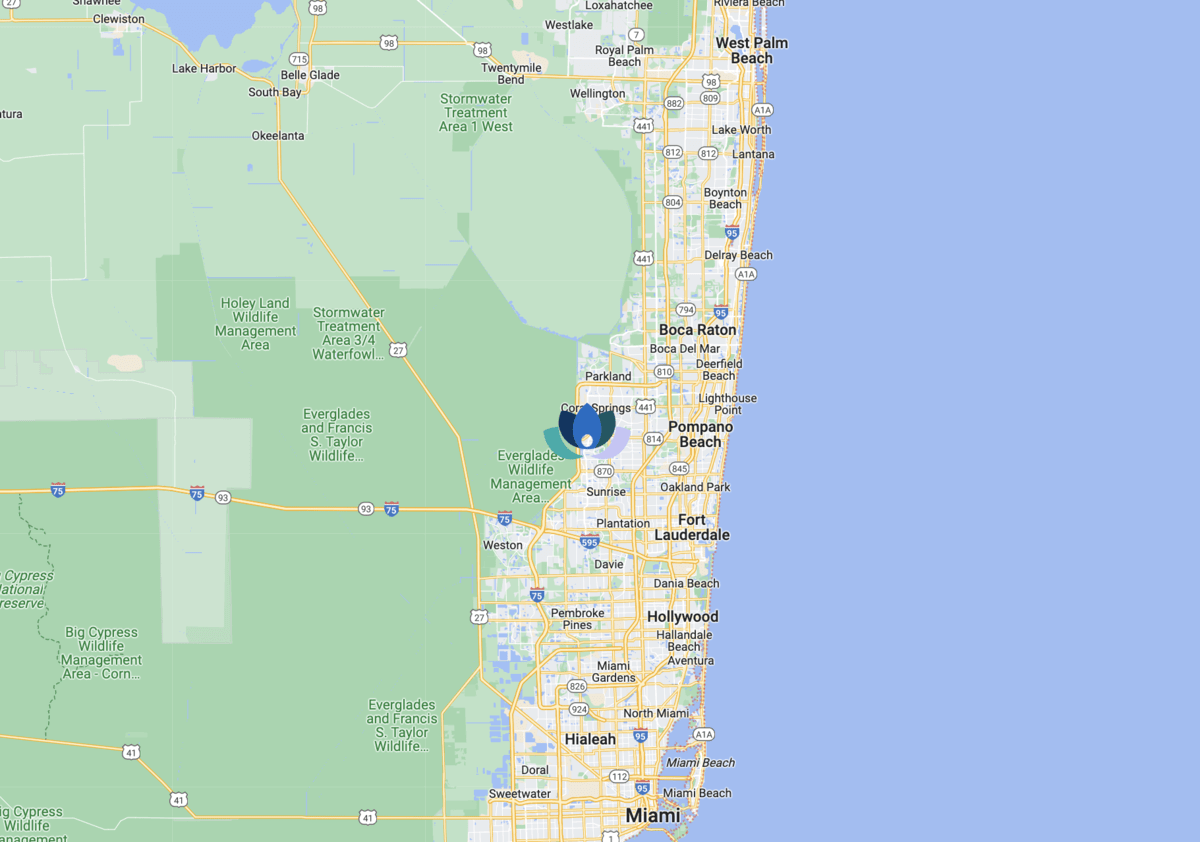
The Sylvia Brafman Mental Health Center provides comprehensive childhood trauma assessments. Conveniently located near Fort Lauderdale, at 7710 NW 71st Ct, Tamarac, FL 33321, we serve South Florida, the surrounding regions, and beyond. We offer both in-person and telehealth assessment options, ensuring accessibility when seeking professional, compassionate trauma evaluation.

Our experienced clinicians provide a complete pathway to healing. After your comprehensive evaluation, our team will recommend tailored interventions that coincide and specifically target your unique experiences and mental health needs. Whether you require trauma-informed therapy, a specialized outpatient treatment program, or psychiatric support, we create a holistic plan curated to address the root causes of your challenges. Take the first step toward understanding and healing by calling our patient advocates at 877-958-9212 or completing our confidential assessment request form.

map-sylvia-brafman-mental-health-center-south-florida

Should You Take an Online Childhood Trauma Quiz?

While online childhood trauma quizzes can provide initial awareness, they have significant limitations when it comes to understanding the complexity of your experiences and how they affect your mental health today. These self-assessments typically use generic questions with yes/no or scaled answers, lacking the nuance and context necessary for accurate evaluation.

More importantly, they can’t provide personalized guidance, clinical interpretation, or immediate support if difficult emotions arise during the process. At The Sylvia Brafman Mental Health Center, we offer complimentary, confidential childhood trauma assessments conducted by licensed mental health professionals—not algorithms. Our clinicians take time to understand your unique history, current symptoms, and treatment goals followed by accurate insights and actionable next steps tailored specifically to your needs.

FEATUREONLINE TRAUMA QUIZSBMHC PROFESSIONAL

ASSESSMENT

Conducted ByAutomated algorithmLicensed mental health clinicians
CostFreeFree and confidential
Depth of EvaluationSurface-level questionsComprehensive clinical interview
PersonalizationGeneric, one-size-fits-allTailored to your unique history and symptoms
Clinical AccuracyLimited, not diagnosticEvidence-based, clinically validated
Privacy & SecurityVaries; data often collectedHIPAA-compliant, fully confidential
Emotional SupportNoneImmediate support from trained professionals
Follow-Up CareGeneral suggestions or resourcesPersonalized treatment recommendations
Time Investment5-10 minutes30-120 minutes of focused attention
ResultsInstant score with vague interpretationDetailed feedback and action plan

Ready for real answers? Call 877-958-9212 to schedule your free professional childhood trauma assessment with Sylvia Brafman’s experienced clinicians.

Clinical staff at our mental health facility

What Questions May Be Asked During a Childhood Trauma Assessment?

A childhood trauma assessment is a carefully crafted conversation that helps clinicians understand your experiences while prioritizing your emotional safety and comfort. The questions are not meant to be invasive or retraumatizing, but rather to create a comprehensive understanding of how your early life experiences may have impacted your current mental health and well-being.

Every individual’s mental health assessment is unique. You always have the right to pause, take a break, or decline to answer any question that feels too uncomfortable. The questions during a trauma assessment typically fall into several categories, each serving a specific purpose in understanding your experiences and current functioning. These inquiries are asked with compassion and professional sensitivity, aiming to build a holistic picture of your life experiences, coping mechanisms, and potential areas of healing. Common assessment questions include the following:

Family and Early Life Background:

  • Can you tell me about your family dynamic growing up?
  • How would you describe your relationship with your parents or primary caregivers?
  • Were there any significant changes or disruptions in your home environment during childhood?

Specific Traumatic Experiences:

  • Did you experience any physical, emotional, or sexual abuse during childhood?
  • Were there instances of neglect or significant emotional harm?
  • Did you witness violence in your home or community?

Emotional and Behavioral Patterns:

  • How do you typically respond to stress?
  • Have you noticed patterns in your relationships that seem challenging or repetitive?
  • Do you struggle with trust or intimacy?

Coping Mechanisms:

  • How do you typically manage difficult emotions?
  • Have you used substances or other behaviors to cope with emotional pain?
  • What strategies have you developed to feel safe or protected?

Current Functioning:

  • How are your current relationships?
  • Are you experiencing any persistent mental health symptoms?
  • How does your childhood history impact your day-to-day life?

Resilience and Strengths:

  • What personal strengths have helped you survive and cope?
  • Are there positive relationships or experiences that have supported you?
  • What are your hopes for healing and personal growth?

What Happens During a Childhood Trauma Assessment?

Understanding what to expect during your childhood trauma assessment can ease anxieties and hesitation. The safe, non-judgmental space at The Sylvia Brafman Mental Health Center in South Florida ensures your comfort while participating in this valuable evaluation at your own pace. The assessment is comprehensive yet compassionate, while identifying how past experiences may be affecting your current well-being.

Below is an overview of the typical components of a professional childhood trauma assessment. Your individual experience may vary based on your unique needs and circumstances, as the process is explicitly tailored.

Initial Contact & Consultation

Initial Contact & Consultation


Assessments begin with a confidential conversation where our clinician will ask about what brought you in today and your current symptoms or concerns. This is an opportunity to share what you’re experiencing in the present that could have been caused by the past. You’ll also discuss your treatment goals and what you hope to gain from the assessment process.

Clinical Interview & Trauma History

Clinical Interview & Trauma History

The clinical interview is a compassionate, guided conversation that allows our licensed clinicians to understand your unique experiences and the context of your childhood trauma. We approach this dialogue with sensitivity, giving you complete control over what you choose to share. It’s important to note that the more open and honest you are, the more tailored your treatment plan.

Our goal is to create a safe space where you can explore your history without judgment. Uncovering how past experiences may be influencing your current mental health and relationships is a significant step in the right direction.

Standardized Assessment Tools

Standardized Assessment Tools

Professional trauma assessments utilize evidence-based screening tools that provide objective insights into the potential impacts of childhood trauma. The Adverse Childhood Experiences (ACE) Questionnaire is particularly powerful, measuring exposure to various traumatic experiences before age 18. This research-validated tool helps clinicians understand the cumulative effect of childhood adversity on long-term mental and physical health.

The Childhood Trauma Questionnaire (CTQ) is another useful assessment tool that provides an even more detailed exploration, offering a comprehensive assessment of childhood abuse and neglect. This standardized tool helps quantify different types of trauma, including emotional, physical, and sexual abuse, as well as emotional and physical neglect. These instruments and others provide a clinical understanding that can guide effective care.

Identifying Co-Occurring Conditions

Identifying Co-Occurring Conditions

During the assessment, compassionate clinicians carefully evaluate the potential presence of co-occurring mental health conditions that frequently accompany childhood trauma. This may include screening for depression, anxiety disorders, PTSD, attachment disorders, and other related mental health challenges that can develop as a result of early life experiences.

Ruling Out Other Conditions

Ruling Out Other Conditions

A comprehensive assessment also involves ruling out other potential medical or psychological conditions that might present similar symptoms. This process ensures an accurate diagnosis by considering alternative explanations for your current mental health challenges, including medical conditions, medication effects, or other psychological factors.

Clinical Findings & Treatment Planning

Clinical Findings & Treatment Planning

Following a thorough evaluation, our clinicians synthesize all gathered information to develop a comprehensive understanding of your circumstances. This clinical summary provides insights into how childhood trauma may be impacting your current mental health, relationships, and overall well-being. The goal is to create a clear, compassionate picture that validates your experiences and informs potential treatment approaches.

Start Planning for Treatment

Start Planning for Treatment

The final stage of the assessment focuses on collaborative treatment planning. Our clinicians will discuss their findings with you, explaining potential diagnoses and recommending personalized treatment options. This may include trauma-informed therapies, specialized treatment programs, medication management, or a combination of tailored approaches. We believe in empowering you to take an active role in your healing journey.

A female therapist taking notes during a mental health assessment

The Link Between Childhood Trauma and Addiction

Childhood trauma creates profound neurological and psychological changes that can drive individuals toward substance use as a survival mechanism. When early experiences teach a child that the world is unsafe, unpredictable, or overwhelming, substances become a powerful self-medication strategy. They offer temporary relief from persistent anxiety, emotional pain, and unprocessed traumatic memories.

The brain, seeking to escape distress, learns to associate substances with emotional regulation and momentary safety. At The Sylvia Brafman Mental Health Center, we recognize addiction not as a moral failing, but as a complex response to unresolved trauma. Traditional addiction treatment that focuses solely on substance cessation often fails because it doesn’t address the underlying wounds driving the behavior.

Our integrated approach treats the root causes (i.e., childhood trauma, attachment disruptions, and mental health conditions) simultaneously with addiction recovery. By healing the entire person, not just managing symptoms, we create sustainable pathways to recovery that address the deep neurological and emotional patterns established in childhood. The following are key connections between childhood trauma and addiction:

  • Substances used as emotional numbing or coping mechanism
  • Increased vulnerability to developing substance use disorders
  • Higher rates of chronic relapse without trauma-informed treatment
  • Neurological changes that increase addiction risk
  • Persistent feelings of shame and self-medication
  • Disrupted attachment patterns leading to maladaptive coping

Break the cycle. Heal the root cause. Contact the trauma-informed specialists at The Sylvia Brafman Mental Health Center today to initiate your recovery.

Group therapy and living area in our mens residential housing

When To Seek Help for Childhood Trauma as an Adult

Recognizing when childhood trauma requires professional intervention is a critical step in the ideal direction. Many adults struggle silently, believing their experiences are “not serious enough” or that they should be able to manage independently. However, unresolved childhood trauma can profoundly impact your mental health, relationships, and overall quality of life.

Professional support isn’t a sign of weakness, but a courageous act of self-care and personal growth. Warning signs that indicate it’s time to seek help include the following:

  • Persistent thoughts of self-harm or suicide
  • Escalating substance use
  • Chronic inability to maintain stable employment or relationships
  • Experiencing dissociation, memory gaps, or losing periods of time
  • Repeated patterns of harmful relationships despite genuine desire for change
  • Frequent flashbacks or intrusive memories disrupting daily functioning
  • Feeling chronically unsafe, emotionally numb, or disconnected from your own life

If you are experiencing a medical emergency, immediate danger, or having thoughts of suicide, please:

  • Call 911 for immediate emergency services;
  • Contact the National Suicide Prevention Lifeline at 988;
  • Or go to your nearest emergency room

How Much Does a Childhood Trauma Assessment Cost in Florida?

Typical childhood trauma assessments in South Florida can range from $200 to $800, depending on factors like the clinician’s expertise, the depth of the evaluation, and insurance coverage. Private psychological assessments often require multiple sessions, potentially increasing the total cost. Insurance coverage varies, and many patients find themselves paying significant out-of-pocket expenses for comprehensive trauma evaluations.

At The Sylvia Brafman Mental Health Center, we believe that understanding your childhood trauma should never be a financial barrier to healing. As part of our commitment to accessible mental health care, we offer complimentary, comprehensive assessments as an integral part of our treatment admissions process. Our no-cost evaluation ensures you have the opportunity to understand your experiences, explore potential treatment options, and make informed decisions, without the added stress of financial burden.

Group therapy session in a mental health facility.

FAQs About Childhood Trauma

Childhood trauma is complex and deeply personal, often misunderstood by those who haven’t experienced its lasting impact. These frequently asked questions provide insight into the nuanced nature of childhood trauma, helping you and/or your loved ones recognize, understand, and seek appropriate support.

Can I Have Childhood Trauma Without Knowing It?

Yes. Many adults carry unrecognized childhood trauma, experiencing symptoms without understanding their root cause. Subtle emotional patterns, relationship difficulties, and unexplained anxiety can indicate unprocessed traumatic experiences that aren’t immediately apparent.

”What
[su_spoiler title=”How Long Does a Childhood Trauma Assessment Take?” open=”no” style=”default” icon=”plus” anchor=”” anchor_in_url=”no” class=””

A comprehensive childhood trauma assessment typically takes 30 minutes to 2 hours. The evaluation includes clinical interviews, standardized screening tools, and a discussion of treatment recommendations. Individual experiences may vary based on personal history and assessment needs.

Does Insurance Cover Childhood Trauma Treatment?

Coverage varies by insurance provider and specific plan. Many mental health plans cover trauma-related treatments, including assessments, psychotherapy, medication, and specialized programs. Verify your individual coverage with Sylvia Brafman and explore in-network treatment options to maximize your insurance benefits.

Will Childhood Trauma Ever Go Away on Its Own?

No. Childhood trauma requires professional intervention and intentional healing. Without targeted treatment, traumatic experiences can continue to impact mental health, relationships, and overall well-being. Trauma-informed therapy offers effective strategies for processing and healing.

Have more questions? Our compassionate patient advocates are here to help. Call 877-958-9212 to learn more about childhood trauma assessment and treatment.