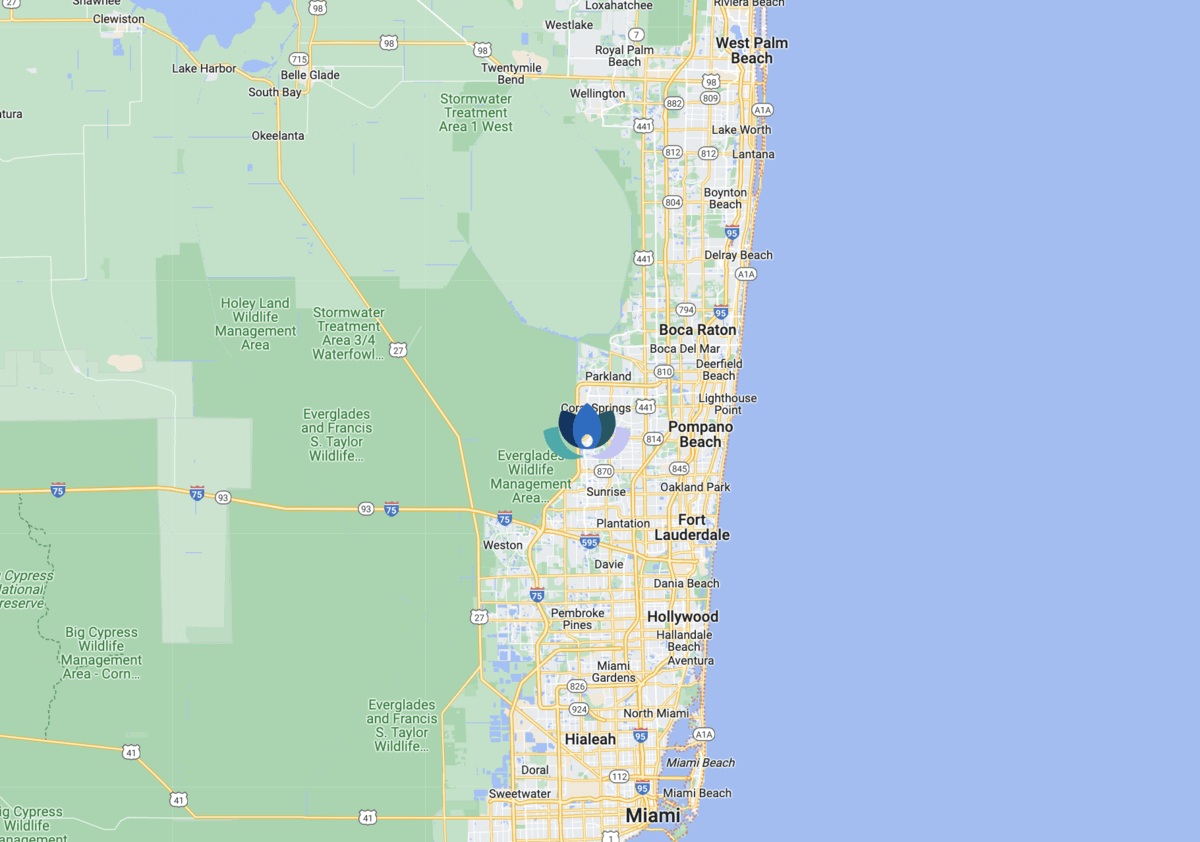

The Sylvia Brafman Mental Health Center near Fort Lauderdale, Florida, accepts Trustmark Health Benefits for mental health and dual diagnosis treatment, making evidence-based care more accessible. Known for clinical excellence, we treat a range of mental health disorders through our comprehensive PHPs and IOPs with integrated clinical, psychiatric, and therapeutic support. Contact us to verify your Trustmark-affiliated mental health coverage and take the next step towards recovery with our compassionate team.
Talk to a Specialist
We’ll Help Verify Your Benefits
[]
The SBMHC Difference
At The Sylvia Brafman Mental Health Center, we pride ourselves on being thought leaders who focus on unique and critical elements that differentiate us from a typical “rehab”.
- Primary Mental Health Focus
- First-Rate Family Program
- Career Launch Program
- Clinical, Medical, and Psychiatric Treatment
- Individually-Tailored Treatment
- Dual-Diagnosis Treatment
- Spiritual Immersion Track
- Outside-The-Box Modalities and Wellness Offerings
Focused on the Whole You

Our proven “5 Lanes” approach combines clinical, medical, and spiritual care to support your whole journey.
Real Reviews
Posted on Google
 H FSeptember 29, 2025
Trustindex verifies that the original source of the review is Google.
Sylvia Brafman is a place that truly cares about everyone who walks through the doors, and you can feel it right away. The team is diverse, passionate, and incredibly knowledgeable, and it’s clear they put real thought into understanding each person as a whole, not just their symptoms. The care feels individualized, nothing about it is “one-size-fits-all.” There’s a perfect balance between compassion and practical preparation for life. It isn’t just about getting through treatment, but about building the confidence and readiness to thrive afterward. The combination of genuine care, personalized treatment, and focus on long-term growth is rare, and it’s what makes Sylvia Brafman stand out, something that’s truly hard to find when looking for treatment.Posted on Google CSeptember 11, 2025The Sylvia brafman mental health center has been a focal point in my mental health journey. Big thanks to Alexis and EmilyPosted on Google
 brandi jonesAugust 26, 2025I can’t say enough about The Sylvia Brafman MHC. They go above and beyond for their patients and truly care about making a difference. I would suggest this facility to anyone who wants to take control of their lives and become the best version of themselves. SBMHC has the best staff and are supportive of those who need it most!