Wellbutrin for Depression: What to Expect & Additional Help in Florida

Wellbutrin (bupropion) is an antidepressant that works differently than SSRIs; it boosts dopamine and norepinephrine rather than serotonin. Some people notice early changes in energy or focus within 1-2 weeks, but the full antidepressant effect typically takes 4-6 weeks. You may need dose adjustments or time to find what works best for your brain chemistry.

If you’ve been taking Wellbutrin and still feel trapped by depression, there are more solutions to explore. At The Sylvia Brafman Mental Health Center in South Florida, we understand that depression is complex, and we treat it as such. Our team combines medication management with therapy and personalized care to help you feel like yourself again. Here, we’ll cover what to expect, how it works, potential side effects, and real solutions when medication alone isn’t enough. If, after reading, you still have questions, contact the Sylvia Brafman patient advocates for personalized responses.

What Is Wellbutrin (Bupropion)?

Wellbutrin (generic name: bupropion) is an FDA-approved antidepressant medication that works in a completely different way than other common antidepressants you may have heard about. Instead of targeting serotonin like Selective Serotonin Reuptake Inhibitors (SSRIs), Wellbutrin boosts dopamine and norepinephrine. These neurotransmitters regulate mood, energy, motivation, and concentration. It’s approved for major depressive disorder, seasonal affective disorder, and smoking cessation.

In a major 8-week clinical trial published in the International Journal of Molecular Sciences, 66.9% of patients on bupropion showed significant improvement in depression symptoms (at least 50% reduction), while 55.5% achieved full remission. That said, everyone’s brain chemistry is unique. What works for you may need tweaking for someone else, or a different medication may be a better fit.

If Wellbutrin sounds like it might be right for you, or if you’ve tried it and want to understand it better, you’re in the right place. If you want to talk through your situation with someone who can offer personalized guidance, call the Sylvia Brafman patient advocates at (877) 958-9212.

How Does Wellbutrin Work?

How Does Wellbutrin Work?

Wellbutrin prevents your brain from reabsorbing dopamine and norepinephrine, keeping more of these brain chemicals available to do their job. That’s why it’s technically called a Norepinephrine-Dopamine Reuptake Inhibitor (NDRI). Dopamine fuels motivation, pleasure, and reward, while norepinephrine sharpens focus and energy. By boosting both, Wellbutrin tackles the low-energy, unmotivated feelings that SSRIs sometimes miss.

Because Wellbutrin (bupropion) doesn’t touch serotonin, it usually sidesteps the sexual side effects, emotional flatness, and weight gain that can happen with SSRIs. Many people notice better energy and sharper thinking within the first week or so, though full antidepressant effects typically take 4 to 6 weeks.

What Conditions Is Wellbutrin Approved to Treat?

What Conditions Is Wellbutrin Approved to Treat?

Wellbutrin is FDA-approved for 3 main conditions, though your psychiatrist may recommend it off-label for other uses based on your needs and situation. Understanding these approved uses helps you know what to expect. Here’s what the medication is officially proven to treat:

  • Major Depressive Disorder (MDD): The most common use. Wellbutrin is an especially effective treatment for depression that involves low energy, poor motivation, trouble concentrating, or loss of interest in things you normally enjoy.
  • Seasonal Affective Disorder (SAD): Wellbutrin XL is the only antidepressant FDA-approved specifically for preventing seasonal depression. Patient Care reports that in clinical trials, 84% of people taking Wellbutrin XL stayed depression-free during fall and winter, compared to just 72% of those on placebo. Treatment typically starts in early fall, before symptoms kick in.
  • Smoking Cessation: Wellbutrin is also marketed under the brand name Zyban to help people quit smoking. Your psychiatrist can explain how this might work with your depression treatment.

Wellbutrin XL vs. Wellbutrin SR vs. Wellbutrin IR

Wellbutrin XL vs. Wellbutrin SR vs. Wellbutrin IR

Wellbutrin comes in 3 main formulations, each with different dosing schedules and release timing. Your choice depends on your lifestyle, how your body responds, and your care team’s recommendations. Finding the right fit matters because it affects how consistently you’ll take your medication and how well it works for you.

FormulationDosing ScheduleHow It WorksBest ForDrawbacks
Wellbutrin XL (Extended-Release)Once dailyReleases medication slowly over 24 hoursMost people; offers convenience of 1 morning pill. FDA-approved for SADNone significant
Wellbutrin SR (Sustained-Release)Twice dailyReleases medication gradually over several hoursPeople already taking morning and evening medications who find twice-daily dosing easier to rememberLess convenient if you forget doses easily or prefer simplicity
Wellbutrin IR (Immediate-Release)3 times dailyWorks quicklySituations requiring faster onset (rare)The 3 times daily schedule is impractical for most people in today’s busy world

Woman sitting at a table with her hands clasped.

What Should You Expect When Starting Wellbutrin for Depression?

Most people notice the first changes within 2 weeks, though full antidepressant effects typically take 4 to 6 weeks. You might feel more energy, think more clearly, or feel more motivated before your mood fully lifts. Patience matters – your brain chemistry doesn’t shift overnight, and giving the medication time to work is crucial to see whether it’s right for you.

As Wellbutrin kicks in, you may experience increased energy and drive, which can feel really good after months of depression’s heaviness. Some people describe it as the fog lifting or feeling like themselves again. You might sleep better, find it easier to get out of bed, or feel more interested in activities you’ve neglected. That said, everyone’s experience is different; some people feel changes quickly, while others need the full 4-6 weeks to notice a real difference.

⚠️ Important Safety Note: Wellbutrin can lower your seizure threshold, especially at higher doses. Tell your psychiatrist immediately if you have a history of seizures, head injuries, or eating disorders like anorexia or bulimia. Also mention any other medications or supplements you’re taking, as Wellbutrin can interact with certain drugs. In rare cases, especially early on, some people experience increased anxiety or restlessness. If this happens, contact your doctor right away. Never stop taking Wellbutrin suddenly without talking to your provider first.

Common Side Effects from Wellbutrin (Bupropion)

Most people tolerate Wellbutrin well, but like all medications, it can cause side effects as your body adjusts. The good news is that many side effects fade within the first few weeks as your system adapts. Here are the most common ones you might experience and what they look and feel like:

  • Dry mouth: Your mouth feels parched, like you’ve been outside on a hot day. Sipping water throughout the day, chewing sugar-free gum, or using sugar-free lozenges usually helps. This side effect often improves after a few weeks.
  • Insomnia or sleep trouble: You might have a harder time falling asleep, wake up earlier than usual, or feel more alert at night. Taking your dose in the morning rather than evening can help. Some people find their sleep normalizes after the first week or so.
  • Headaches: A mild to moderate ache across your forehead or the back of your head. Over-the-counter pain relievers like ibuprofen can help, and most headaches fade as your body adjusts.
  • Nausea: A queasy or unsettled stomach feeling, especially when you first start the medication or after taking it. Taking Wellbutrin with food can reduce nausea. It typically improves within a few days to a week.
  • Dizziness or lightheadedness: You might feel a bit off-balance or woozy, especially when you stand up quickly. Moving slowly when changing positions and staying hydrated can help. This usually passes within the first week.
  • Appetite changes: Some people eat less or lose interest in food. Others experience increased appetite. Either way, these changes often settle down as your body adjusts to the medication.
  • Restlessness or anxiety: You may feel jittery, on edge, or have nervous energy. This is more common in the first 1 to 2 weeks and typically improves as your body gets used to Wellbutrin.

Most side effects improve as your body adjusts to the medication. If a side effect doesn’t fade or becomes bothersome, don’t tough it out in silence – talk to your provider. They can adjust your dose, change when you take it, or explore other options. Your comfort and wellbeing matter, and there’s usually a way to make Wellbutrin work better for you.

How Depression Is Treated at Sylvia Brafman in South Florida

At The Sylvia Brafman Mental Health Center, we treat depression as a primary mental health condition, not an afterthought. Our team brings real experience with complex and dual diagnosis cases, and we take the time to get your diagnosis right. From there, we build a personalized treatment plan around your symptoms, history, and goals, so your care fits you.

Effective depression treatment often depends on more than one piece. Our programs combine individual and group therapy with medication management, where a prescriber monitors your response, tracks side effects, and adjusts your medications as needed. This ongoing attention helps us find what works for you instead of leaving you waiting and wondering.

We also focus on helping you rebuild the life depression disrupted. Our Family Program brings your loved ones into the process, helping them understand what you’re going through and how to support your recovery. Our Career Launch Program helps you prepare to return to work or school with confidence, so you feel ready to rejoin your family, your career, and your community.

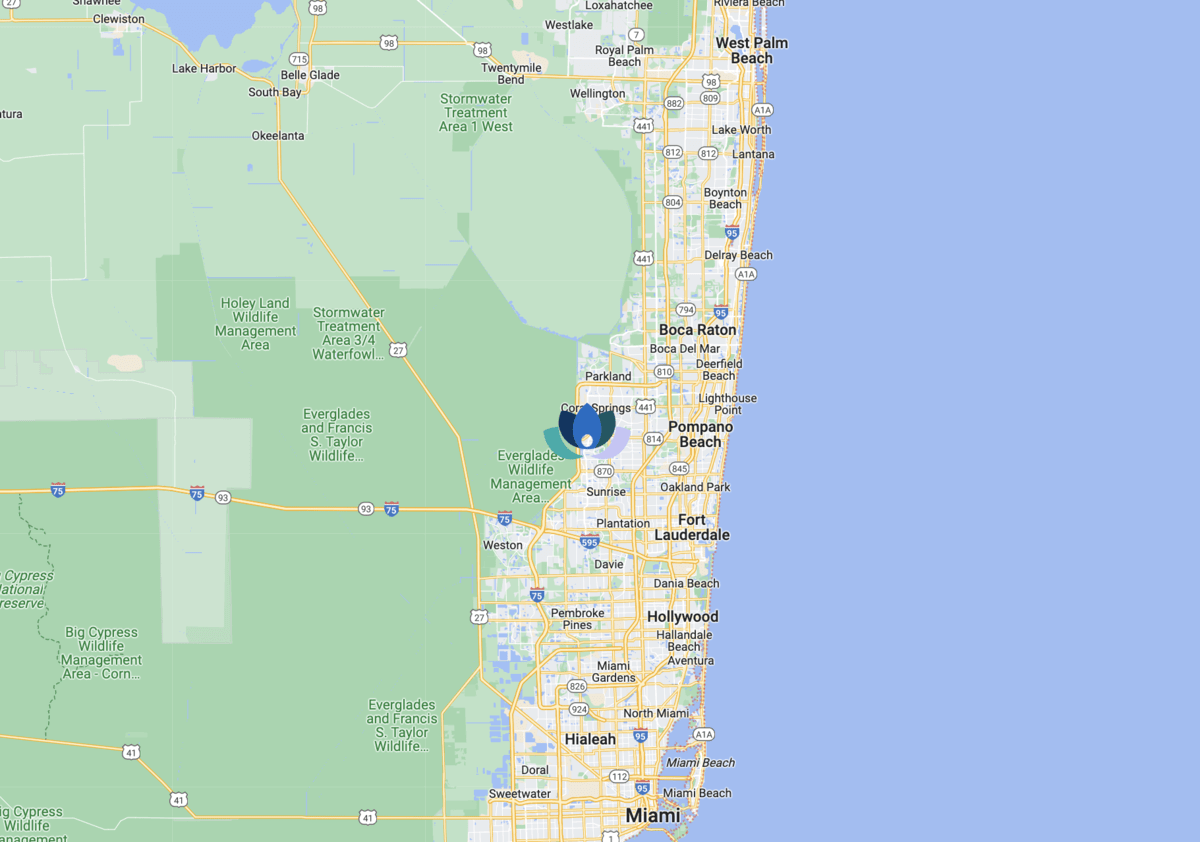
If you or someone you love is struggling with depression, we’re here to help. Visit us at 7710 NW 71st Ct, Tamarac, Florida, 33321, or call us at (877) 958-9212 to speak with one of our patient advocates about your options.

map-sylvia-brafman-mental-health-center-south-florida

Does Insurance Cover Wellbutrin for Depression Treatment in Florida?

Yes, most Florida health plans cover Wellbutrin for depression, especially the generic version, bupropion. The brand-name product is often more restricted. Your cost depends on your plan’s formulary tier, deductible, and whether prior authorization or step therapy applies. Specifics depend on your insurance plan and the Wellbutrin formulation you’re prescribed.

Before filling a prescription, check your plan’s current formulary. If you want assistance navigating insurance jargon, our patient advocates can verify your insurance and offer personalized guidance.

[]
Logos of some accepted insurance companies at Sylvia Brafman Health Center.

How Do You Know if Wellbutrin Is Working?

You’ll usually notice Wellbutrin working gradually, not all at once. Many people see early changes, like more energy, motivation, or focus, within 1 to 2 weeks, while mood improvements often take 4 to 6 weeks. Because progress is subtle, it helps to track how you feel day to day.

Signs it’s working include finding it easier to start tasks, enjoying activities again, feeling less hopeless or irritable, and concentrating better. Friends or family may notice changes before you do. Your prescriber may give you a survey to track your responses and gauge the changes.

If you don’t feel any improvement after 4 to 6 weeks, or side effects like insomnia, anxiety, or headaches are hard to manage, talk with your prescriber. They may adjust your dose or try a different approach, so don’t change or stop it on your own. If you feel worse, or have thoughts of harming yourself, contact your doctor right away or call or text 988, especially in the first weeks of treatment.

Why Wellbutrin Might Not Be Working for You

If you’ve been taking Wellbutrin and still feel stuck, it doesn’t mean you’re beyond help. Antidepressants don’t work the same way for everyone, and several factors can get in the way. Understanding what might be happening is the first step toward finding a treatment approach that works for you.

  • It may be too soon: Wellbutrin often takes 4-6 weeks to show its full effect. Early on, you might notice only small changes in energy or focus, so it can feel like nothing is happening even as the medication slowly works behind the scenes.
  • Your dose may need adjusting: A starting dose is often a stepping stone, not the final one. If it’s too low, you may not get enough benefit. If it’s too high, side effects can outweigh the benefits. Only your prescriber should change your dose.
  • You may be missing doses: Skipping doses or taking it at inconsistent times can keep your medication from building up steadily in your system, which makes it harder to work.
  • The diagnosis may be incomplete or incorrect: Depression can look like anxiety, bipolar disorder, ADHD, trauma, or burnout, and these conditions often overlap. Wellbutrin isn’t a fit for every one of them and can even worsen anxiety in some people. At The Sylvia Brafman Mental Health Center, our free mental health evaluation helps ensure you’re treated for what’s going
  • Medical factors may be involved: Thyroid problems, vitamin deficiencies, chronic pain, sleep disorders, hormonal changes, and other health conditions can mimic or deepen depression. Some medications can also interact with Wellbutrin or affect how your body processes it.
  • Substance use can interfere: Alcohol, cannabis, stimulants, and other drugs can worsen depression and blunt how well medication works. Alcohol and Wellbutrin are a particular concern because the combination can raise the risk of seizures, so be open with your provider about what you use.
  • Medication alone may not be enough: Therapy, healthy routines, and support from loved ones often matter as much as the prescription. Unresolved grief, trauma, or ongoing stress can keep symptoms going even when the medication is doing its part.
  • Side effects may be getting in the way: Insomnia, jitteriness, or appetite changes can make you feel worse, and some people stop taking the medication or take it inconsistently as a result. Your prescriber may be able to adjust your treatment to help.
  • Your depression may need a different approach: Some people don’t respond to a first or second medication. This is common and treatable, and options like a different medication, a combination of medications, or other therapies can help.

If Wellbutrin isn’t giving you the relief you hoped for, don’t stop taking it on your own or keep waiting in silence. Our team at Sylvia Brafman Mental Health Center can review your symptoms, look at what’s getting in the way, and build a plan that fits you. Contact us today to talk with someone who can help.

Possible Next Steps if Wellbutrin Isn't Working for You

If Wellbutrin isn’t working the way you hoped, you still have plenty of options, and most start with a conversation with your prescriber. Medication changes, added support, or a closer look at your diagnosis can all make a real difference. The right next step depends on your symptoms, your history, and how your body responds.

⚠️Safety warning: Don’t stop Wellbutrin suddenly or change your dose on your own. If you feel worse or have thoughts of harming yourself, contact your doctor right away or call or text 988, especially in the first weeks of a new medication or dose change.

Adjusting, Switching, or Adding a Medication

Adjusting, Switching, or Adding a Medication

Your prescriber may increase or lower your dose, switch you to a different antidepressant, or add a second medication to boost the effect of Wellbutrin. Each option has its own benefits and side effects, so make these decisions with a medical professional who knows your full health history and current symptoms.

Therapy Alongside Medication

Therapy Alongside Medication

Medication can ease symptoms, but therapy helps you work on the thoughts, habits, and life stressors that keep depression going. Approaches like Cognitive Behavioral Therapy (CBT) give you practical tools for managing low mood. Many people find that combining therapy with medication works better than relying on either one alone.

Getting a Second Opinion on Your Diagnosis

Getting a Second Opinion on Your Diagnosis

If you’ve tried a medication without much relief, it may be worth asking whether depression is the whole picture. Anxiety, bipolar disorder, ADHD, trauma, and medical conditions can all look like depression. A second opinion from a different provider can confirm your diagnosis or uncover something that changes your treatment plan.

Medication Management at Our Tamarac, FL Treatment Center

Medication Management at Our Tamarac, FL Treatment Center

At Sylvia Brafman, our intensive outpatient and partial hospitalization programs include active medication management. This means a prescriber regularly reviews your medications, tracks symptoms and side effects, and adjusts your treatment as needed. Instead of waiting weeks between appointments, you get frequent check-ins and faster adjustments, so we catch problems early, and your care keeps pace with your progress.

Possible Next Steps if Wellbutrin Isn't Working for You

Frequently Asked Questions About Wellbutrin & Depression Treatment in Florida

Starting or changing an antidepressant often raises questions, and Wellbutrin is no exception. Here, you’ll find clear answers to common questions about how it works, what to expect, and how coverage works in Florida. For advice specific to your situation, always talk with your prescriber or a qualified mental health professional.

Is Wellbutrin an SSRI?

No, Wellbutrin is not an SSRI. Its generic name is bupropion, and it belongs to a class called Norepinephrine-Dopamine Reuptake Inhibitors (NDRIs). While SSRIs mainly increase serotonin, Wellbutrin works on norepinephrine and dopamine. This difference is why it may cause different side effects and is sometimes chosen when SSRIs haven’t worked well.

Is Wellbutrin Used for Anxiety?

Wellbutrin is not FDA-approved to treat anxiety, and it isn’t usually the first choice for it. Because it can be activating, it may make anxiety or restlessness worse in some people. Some providers do prescribe it when depression and anxiety occur together, but that decision should be made with your prescriber after reviewing your symptoms.

Is Wellbutrin a Stimulant?

No, Wellbutrin is not a stimulant and is not a controlled substance. It isn’t an amphetamine-type medication. However, because it affects dopamine and norepinephrine, it can have energizing effects, like increased alertness or trouble sleeping. This is why some people describe it as feeling stimulating, even though it’s classified as an antidepressant.

Can You Feel Wellbutrin on the First Day?

Most people don’t feel the full benefits of Wellbutrin on the first day. Some notice side effects early, such as trouble sleeping, dry mouth, or feeling jittery, while mood improvements usually take several weeks to build. Keep taking it as prescribed and check in with your prescriber if side effects are bothersome or you feel worse.

Can You Take Wellbutrin With Other Antidepressants?

Yes, in some cases. Providers sometimes prescribe Wellbutrin alongside an SSRI or SNRI to boost results or reduce side effects like sexual dysfunction. However, combinations can raise the risk of side effects or interactions, including a higher seizure risk with some drugs. Never combine antidepressants on your own; your prescriber needs to choose, dose, and monitor the combination.

Do I Have to Go to Therapy for Wellbutrin to Work?

No, you don’t have to attend therapy for Wellbutrin to work. The medication can reduce depression symptoms on its own. That said, research shows many people do better when they combine medication with talk therapy, since therapy builds coping skills and addresses the causes behind depression. Your provider can help you choose the treatment mix that fits you.

Does Insurance Cover Wellbutrin?

Usually, yes. Most Florida commercial plans, Medicare Part D plans, and Florida Medicaid cover generic bupropion, though the brand-name Wellbutrin may need prior authorization or step therapy. Your cost depends on your plan’s formulary tier and deductible. Check your plan’s current drug list or contact Sylvia Brafman to confirm your coverage.