Why Am I So Irritable? Causes, Mental Health Links, and Treatment

Maybe you’ve tried everything – deep breathing, meditation, even a long walk – yet the irritation won’t budge. You snap at people you care about for no clear reason. Frustration bubbles just beneath the surface, leaving you exhausted and confused. Irritability often shows up without warning, leaving you wondering what’s really going on underneath.

The Sylvia Brafman Mental Health Center in South Florida understands that irritability isn’t something you should “just live with.” Often, what feels like a random mood is actually your mind and body signaling something. Whatever your irritability stems from, getting to the root cause matters. Our team works with you to uncover what’s driving your irritation so you can rebuild your relationships and feel like yourself again.

What Is Irritability?

There’s a difference between getting frustrated when traffic makes you late or feeling angry after a disappointing conversation – those reactions fit the moment. Irritability operates differently. It’s a lowered threshold where small annoyances trigger reactions that don’t fit the situation. You might snap, feel your chest tighten, or withdraw. The intensity doesn’t match the trigger, and this can be confusing.

What makes irritability particularly tricky is how hard it can be to manage once it kicks in. You might recognize mid-snap that your reaction seems out of proportion, yet you can’t seem to dial it back. It’s as though your nervous system has turned up the volume on everything, making even minor inconveniences feel intolerable. Unlike anger, which usually has a clear target, irritability can feel like a constant, low-grade aggravation simmering beneath your skin, ready to spill over at almost any moment.

This heightened reactivity often signals something deeper. Your body and mind aren’t misfiring for no reason. Irritability typically points to an underlying condition, stress overload, hormonal shifts, or unmet emotional needs. It’s your system’s way of saying it’s out of balance. Understanding that irritability isn’t a character flaw but a symptom worth investigating is an important first step toward feeling steadier and more like yourself.

At The Sylvia Brafman Mental Health Center, we can help you understand the root of your irritability symptoms. Living with outsized reactions is uncomfortable and can leave you at odds with loved ones or make you judge yourself. We can offer support and solutions. Call our compassionate patient advocates today at (877) 958-9212.

A frowning, irritated woman turning away from her partner with her hand up in rejection of his communication

Why Do I Feel Irritable for No Reason?

Irritability rarely shows up for no reason. Something is usually underneath – sometimes obvious, sometimes hidden. A professional evaluation can uncover what’s driving your reactions. You can always start with Sylvia Brafman’s free mental health assessment. Here are some examples of the common culprits to consider:

Poor Sleep and Exhaustion

Poor Sleep and Exhaustion

When you’re exhausted, your nervous system struggles to regulate emotions properly. Running on empty makes small frustrations feel massive. A single interruption might feel unbearable when sleep-deprived. Irritability often stems from fatigue rather than external circumstances, and getting more rest typically shifts everything significantly.

Chronic Stress and Burnout

Chronic Stress and Burnout

Constant pressure wears you down over time, keeping your stress response activated and leaving you irritable even during calm moments. Work demands, relationship strain, or life changes deplete your emotional reserves. Your fuse gets progressively shorter without relief or recovery time.

Underlying Mental Health Disorders

Underlying Mental Health Disorders

Irritability is a core symptom of depression, anxiety, and bipolar disorder. It’s not a character flaw; it’s how these conditions show up. You might feel angry for reasons that don’t make sense to you or others. Identifying the condition helps you target the right treatment.

Hormonal Changes

Hormonal Changes

Hormones significantly affect mood and irritability. PMS, PMDD, and menopause can trigger intense reactions through shifts in estrogen and progesterone, influencing how your brain processes frustration. Tracking your cycle often reveals a clear pattern connecting hormonal fluctuations to emotional responses.

Caffeine, Alcohol, and Substance Use

Caffeine, Alcohol, and Substance Use

What you consume significantly impacts irritability. Excess caffeine overstimulates your nervous system, while alcohol disrupts sleep and mood regulation. Certain medications and drugs can trigger or worsen irritability. Paying close attention to your consumption patterns can reveal what shifts your baseline emotional responses.

Possible Medical Reasons for Irritability

Possible Medical Reasons for Irritability

Blood sugar crashes trigger rapid irritability. Nutritional deficiencies, particularly B vitamins, magnesium, and iron, affect mood regulation. Thyroid issues, hormonal imbalances, and other physical conditions can all cause irritability. Seeing a doctor can help rule out underlying medical causes of emotional dysregulation.

What Mental Health Disorders Are Linked to Irritability?

Irritability is a symptom across many mental health disorders; it’s not a hallmark of just one diagnosis. Understanding which conditions can trigger it helps you recognize what might be happening. Here are just a few of the most common disorders in which irritability is a core feature:

Depression

Depression

In depression, irritability often works by masking the sadness underneath. You might feel angry at small things, snap at loved ones, or feel agitated without knowing why. In some cases, this irritability can be more noticeable than the low mood itself.

Anxiety Disorders

Anxiety Disorders

Anxiety (generalized anxiety disorder, social anxiety disorder, panic disorder) keeps your nervous system on high alert, leaving you short-tempered and reactive. The constant worry exhausts you, making small frustrations feel intolerable. You might feel irritable between panic attacks or as part of generalized tension.

Bipolar Disorder

Bipolar Disorder

During manic or hypomanic episodes, irritability can be intense and unpredictable. You may feel energized but be easily triggered, snapping at people over minor things. This irritability differs from your baseline temperament and often signals an important mood shift worth monitoring.

Intermittent Explosive Disorder (IED)

Intermittent Explosive Disorder (IED)

Intermittent Explosive Disorder (IED) involves sudden, intense bouts of anger that feel uncontrollable, causing verbal or physical outbursts disproportionate to the trigger. Between episodes, you might feel remorseful or confused about your reaction, distinguishing this condition from typical anger responses.

Trauma

Trauma

Trauma rewires your threat response, making you hypervigilant and easily triggered. You might feel irritable or angry as a protective response to perceived danger. Loud noises, particular places, certain topics, or feeling unsafe can instantly spike your irritability and defensive reactions.

Attention-Deficit/Hyperactivity Disorder (ADHD)

Attention-Deficit/Hyperactivity Disorder (ADHD)

Attention-Deficit/Hyperactivity Disorder (ADHD) affects emotional regulation, so frustration tolerance is naturally lower. You might feel irritable when overstimulated, interrupted, or struggling to concentrate on work or school. The irritability isn’t intentional; it’s your brain’s response under stress or demand.

Substance Use and Dual Diagnosis

Substance Use and Dual Diagnosis

Substance use directly impacts mood regulation and impulse control. You might feel irritable during use, withdrawal, or as part of an underlying condition masked by addiction. Treating both the substance use and the mental health disorder is essential for lasting change.

Expert Mental Health Treatment and Support

At The Sylvia Brafman Mental Health Center near Fort Lauderdale, Florida, our team of dedicated professionals is ready to guide you. We offer mental health IOP services, each uniquely designed to meet your needs. We’re also able to offer accommodation at affordable rates if you’re traveling in from out of State. So don’t wait, reach out to us today. Give us a call, research The Sylvia Brafman’s mental health center reviews, or complete the form below to request a callback.

"*" indicates required fields

This field is for validation purposes and should be left unchanged.
Please let us know your preferred way for us to contact you.
The Sylvia Brafman Mental Health Center logo - Mental Health Providers in Florida

Practical Strategies to Calm Irritability

You can’t always control when irritability hits, but you can control how you respond. Some strategies work quickly in the moment when you’re already activated. Others work slowly over time, raising your baseline so small things don’t hit as hard. Here are some examples of what helps in both the short- and long-term:

When You’re Already IrritatedWhat It DoesHow to Use It
Cool water on your faceTriggers your vagus nerve, slowing your heart rate and calming your nervous systemSplash cold water on your face or hold ice cubes against your cheeks for 10-15 seconds
Slow exhale (longer than inhale)Signals safety to your brain and interrupts the stress responseInhale for 4 counts, exhale for 6-8 counts; repeat 5 times
Name the feelingCreates distance between you and the emotion, activating your rational brainSay it out loud or write it down: “I’m feeling irritable right now”
Short timeoutRemoves you from the trigger and gives your nervous system space to resetStep away for 5-10 minutes; don’t engage until you’re calmer
Daily Habits That Raise Your ThresholdWhat It DoesHow to Build It
Consistent sleep routineSleep deprivation directly worsens irritability; consistency stabilizes moodGo to bed and wake up at the same time daily, even on weekends
Regular movementExercise releases tension and regulates neurotransmitters that control moodAim for 20-30 minutes most days (walking counts)
Reduce caffeine and alcoholBoth overstimulate or destabilize your nervous systemLimit to one caffeinated drink before noon; track alcohol’s impact on your mood
Mood journalHelps you spot patterns in what triggers irritability and what helpsSpend 5 minutes daily noting your mood, what happened, and what you did

The truth is, calming irritability isn’t simply about willpower or toughing it out. It’s about building small habits that make a real difference over time, and knowing what to do when you’re already overwhelmed. Start with one strategy – whichever feels easiest – and add more as you go. If irritability keeps getting in the way of your life or relationships, even with these tools, it’s time to talk to a professional. We’re here to help you figure out what’s driving it and create a real plan that works for you. Don’t hesitate to contact Sylvia Brafman’s patient advocates today at (877) 958-9212 .

When Is Irritability a Sign You Need Professional Help?

Not all irritability requires professional mental health treatment, but some does. If it’s affecting your relationships, your work, or how you feel about yourself, it’s worth getting checked out. Here’s what to watch for, and when it may be a good idea to reach out sooner rather than later:

  • Irritability lasting more than two weeks: If brief resets and daily habits don’t fix it, something deeper might be going on. Two weeks is a reasonable threshold; it suggests this isn’t just a bad week.
  • It’s hurting your relationships or job performance: When you snap at people you care about, get warnings at work, or feel isolated because of how you treat others, irritability has moved from a feeling to a real problem.
  • Outbursts that feel out of your control: You say or do things you regret, can’t explain why you reacted that hard, or feel shocked by your own intensity afterward. That’s a sign your nervous system needs support.
  • Using alcohol or substances to cope: If you’re reaching for a drink, pills, or other substances to take the edge off, you’re masking the problem, not solving it. That pattern also points to something that needs professional attention.
  • Other symptoms showing up alongside irritability: Sleep changes, hopelessness, loss of interest in things you used to enjoy, persistent anxiety, or unexplained physical pain often travel together with irritability. When you’re seeing multiple symptoms, it’s usually a mental health disorder, not just a bad mood.
  • Thoughts of harming yourself or others. This is the clearest sign you need help right now, not eventually. (A safety note: If you’re having thoughts of harming yourself or someone else, please reach out to emergency services immediately. You can call the Suicide and Crisis Lifeline at 988, text “HELLO” to the Crisis Text Line at 741741, or go to your nearest emergency room).

If you’re seeing yourself in any of these signs, or if someone you love is struggling with irritability, reaching out to us is a good next step. You don’t have to figure this out alone, and you don’t need to wait until things get worse. We’re here to listen, ask the right questions, and help you understand what’s really going on. Whether it’s a quick call to talk through what you’re experiencing or a full evaluation, we’re ready to help. Contact The Sylvia Brafman Mental Health Center today.

Get Help for Irritability in South Florida

If irritability is still running your life after you’ve tried to manage it on your own, it’s time to work with people who specialize in finding out the why. The Sylvia Brafman Mental Health Center considers irritability a symptom worth understanding. We’re here to help you get to the root cause and find a path forward.

We believe your treatment plan should be as unique as you are, and we offer diverse programs to meet your needs. We’re also committed to taking on complex cases – the ones where irritability is tangled up with trauma, substance use, medical issues, or multiple co-occurring diagnoses through a dual diagnosis treatment approach. We’ll do the work to get your diagnosis right, then build a treatment plan that addresses what’s actually driving your irritability, not just masking the surface symptoms.

And here’s what makes a real difference: we bring your family into your healing. Irritability doesn’t just affect you; it affects everyone around you. Our family integration approach means your loved ones aren’t just supporting you from the sidelines; they’re part of your treatment. They’ll understand what’s happening, learn how to respond, and help you rebuild the relationships irritability has strained. If you’re traveling from out of state, we offer comfortable accommodations to help you transition smoothly into our programs.

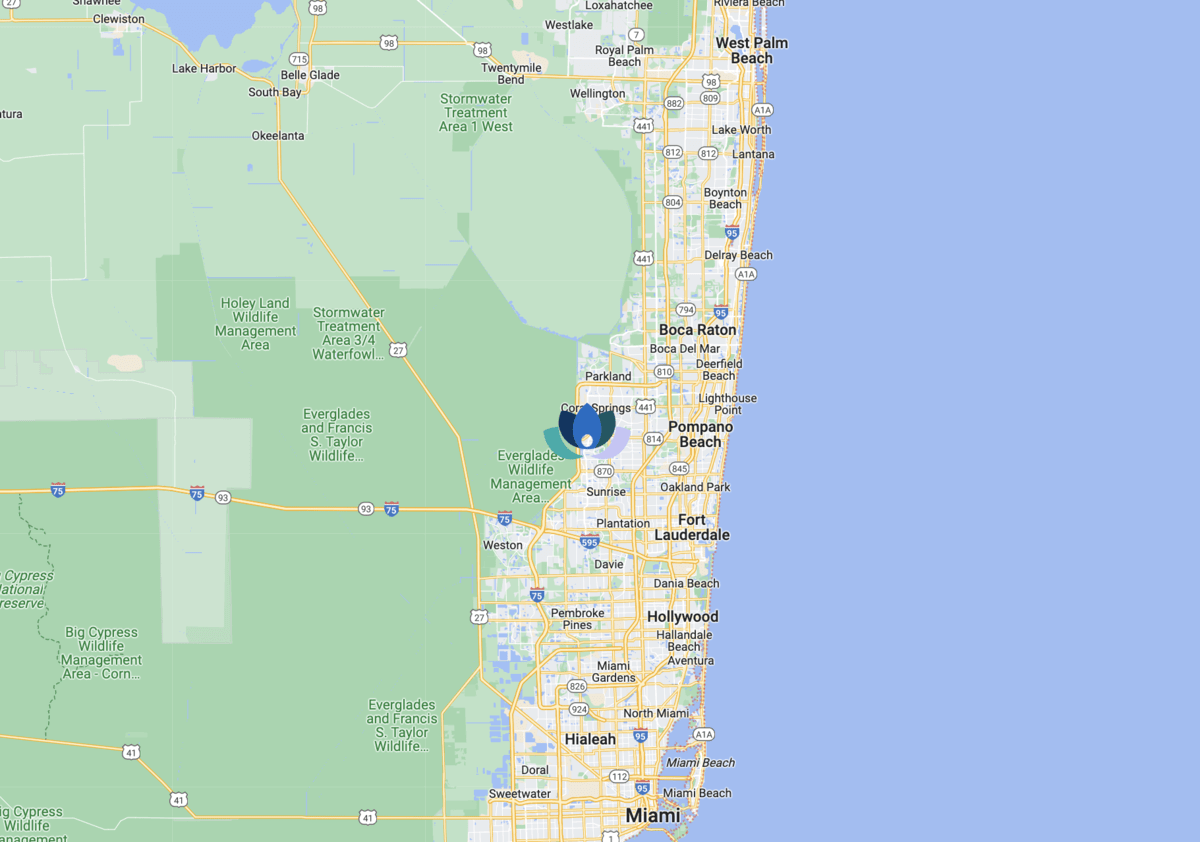
Ready to feel like yourself again? Contact The Sylvia Brafman Mental Health Center by dropping by our facility at 7710 NW 71ST CT, Tamarac, Florida, 33321, or call (877) 958-9212 to speak with our team of knowledgeable patient advocates right now.

map-sylvia-brafman-mental-health-center-south-florida

How We Treat Irritability at Sylvia Brafman in South Florida

Our cofounder, Ben Brafman, built Sylvia Brafman on the belief that labeling symptoms without understanding what drives them wastes your time and money. That’s why we look at your medical history, life circumstances, relationships, and overall health. We’re not just asking, “Are you irritable?” We’re asking why. The answer changes everything about how we treat you, and we don’t guess.

Once we know what we’re dealing with, we match you with therapies that actually work for your situation. That might mean Cognitive Behavioral Therapy (CBT) to rewire thought patterns that fuel irritability, Dialectical Behavior Therapy (DBT) to build emotional regulation skills, or trauma-focused approaches like EMDR if irritability is rooted in past experiences. We also use group therapy so you can learn from others facing the same struggle. A psychiatrist may evaluate whether medication management could be part of your plan, because sometimes a chemical imbalance needs chemical support alongside therapy.

Irritability rarely comes from just one place, so we don’t treat it in just one way. We use our whole-person approach across 5 integrated lanes: Clinical (therapy and coping skills), Medical (ruling out physical causes like thyroid issues or nutritional deficiencies), Psychiatric (medication management if needed), Spiritual (helping you reconnect with what matters), and Vocational (getting your work life back on track). Because irritability affects so many parts of your life, this integrated model means you won’t bounce between providers or get contradictory advice. Everyone’s working toward the same goal: helping you feel like yourself again.

Types of Irritability Treatment Available at Our Facility Near Fort Lauderdale

The best treatment program for you depends on your needs. Depending on your symptoms and life situation, you might need intensive daily support or a lighter outpatient approach. The Sylvia Brafman Mental Health Center offers multiple levels of care so you get exactly what you need right now.

Partial Hospitalization Program (PHP)

Partial Hospitalization Program (PHP)

A Partial Hospitalization Program (PHP) is ideal if moderate to severe irritability is affecting your daily functioning. You attend treatment during the day (typically 4-6 days weekly), then return home or to our nearby housing in the evening. This level gives you a solid framework and compassionate support without requiring a full inpatient stay.

Intensive Outpatient Program (IOP)

Intensive Outpatient Program (IOP)

Our Florida-based Intensive Outpatient Programs (IOPs) work well if your symptoms are real but manageable, and you need a flexible schedule. You’ll attend therapy sessions several times a week while sleeping at home and maintaining your regular life. The intensity stays strong, and you still get meaningful treatment, but with more autonomy. It’s the middle ground between PHP and standard outpatient care.

Aftercare

Aftercare

Aftercare keeps you stable long-term after you complete a higher level of care. Outpatient therapy (in-person or online) acts as a step-down option and involves regular therapy sessions, medication management, and support groups. You can transition back to independence while staying connected to your treatment team. Detailed aftercare plans prevent relapse and reinforce the skills you’ve learned.

Need More Support?

Need More Support?

If you need more intensive support than our Fort Lauderdale location offers, The Sylvia Brafman Mental Health Center in North Georgia offers residential treatment with 24/7 care in a structured environment. You’ll live in an upscale facility and work closely with peers in recovery. It’s designed for those with severe symptoms or complex needs.

Types of Irritability Treatment Available at Our Facility Near Fort Lauderdale

How Irritability Shows Up in Your Relationships

Perhaps you’re reading this because someone you love seems irritable all the time. Partners, family members, and friends often notice the changes first: the short fuse, withdrawal, and tension that wasn’t there before. Irritability ripples through everyone around the person experiencing it. Understanding what’s happening can help you support them and help them see they need support, too.

  • Snapping at people you love, then feeling guilty: You react harshly to something small and regret it right away. The guilt piles up, creating shame that makes you want to isolate even more. This cycle – snap, feel bad, pull away – is exhausting for everyone involved.
  • Wanting to be alone: You’d rather withdraw than risk another conflict with those you care about. Being around people feels like too much effort, even when you love them. Solitude feels safer than connection.
  • Pulling back from friends and loved ones: You stop initiating plans, take longer to respond to texts, or show up but feel emotionally distant. People notice you’re different, but you can’t quite explain why. The relationships that matter start to feel strained.
  • Defensiveness when someone brings it up: If a partner or friend gently mentions your mood, you get defensive or dismissive instead of hearing their concern. You know something’s off, but admitting it feels too vulnerable.
  • Putting on a mask at work, then exploding at home: You hold it together all day, then come home with nothing left to give. Your family gets the worst version of you because they’re the only ones you stop performing for.
  • Resentment builds underneath: People feel like they’re walking on eggshells around you, and you feel like nobody understands. Both sides start keeping score, and intimacy fades.

If this sounds like what’s happening in your relationships, treatment isn’t just about you feeling better; it’s about rebuilding connection. Our Family Program is a key component of our treatment approach. We don’t just work with the person struggling with irritability; we bring loved ones into the process so everyone understands what’s happening and learns how to move forward together. We strive to help repair what irritability has damaged and give you the tools to build something stronger. Reach out to our patient advocates, and we’ll show you how to get your relationships back on track.

Does Insurance Cover Mental Health Treatment for Irritability Symptoms in Florida?

Yes, most insurance plans cover mental health treatment for irritability when it’s tied to a diagnosed condition. Irritability itself isn’t always a billable diagnosis, but conditions that cause irritability (depression, anxiety, bipolar disorder, ADHD, and trauma) are. Coverage depends on your specific plan, your deductible, and whether you use in-network providers.

The best way to know for sure is to reach out to us. We work with most major insurers and can help you understand your plan’s coverage before you start treatment. We’ll contact your insurance, verify your benefits, and walk you through what to expect financially. If cost is a barrier, we can discuss financial flexibility to help you get the care you need. Don’t let insurance questions stop you from taking that first step – connect with us, and we’ll handle the paperwork so you can focus on your wellness.

insurance-accepted
[]

Unsure Why You Feel Irritable? Start With a Free Assessment

Sometimes irritability feels like it came out of nowhere. You don’t know what’s driving it, and neither do the people close to you. A free assessment with the team at Sylia Brafman can shed light on what’s happening, whether it’s sleep deprivation, undiagnosed anxiety, trauma, hormonal shifts, or something else entirely. There’s no cost, no judgment, and no pressure.

We offer a free mental health assessment because we believe you deserve answers before you start treatment. You shouldn’t have to pay hundreds of dollars just to understand what’s going on in your own body and mind. Our team will listen to your story, ask the right questions, and give you real insight into what might be fueling your irritability. From there, we’ll talk about what treatment could look like, whether that’s our programs or resources elsewhere. Either way, you’ll walk away knowing more about yourself than when you started.

A man talks as his mental health therapist listens

Frequently Asked Questions About Irritability and the Treatment Options

Irritability can feel confusing and isolating, especially when you’re not sure what’s causing it or whether it’s “normal.” The following questions and responses address the most common concerns we hear from people struggling with irritability. We’ve kept the answers straightforward so you can find what you’re looking for without wading through complex clinical jargon.

Why Do I Feel Irritable for No Reason?

Irritability often feels random, but there’s almost always an underlying cause. Sleep deprivation, chronic stress, hormonal changes, caffeine overuse, blood sugar imbalances, and undiagnosed mental health disorders like anxiety or depression are common culprits. Even past trauma or medical issues can lower your threshold for frustration. A professional assessment with Sylvia Brafman can uncover what’s triggering your irritability.

What Mental Illness Is Associated With Irritability?

Irritability shows up across many mental health conditions, including depression, anxiety disorders, bipolar disorder, ADHD, intermittent explosive disorder, PTSD, and substance use disorders. It’s also common in personality disorders and during certain life transitions. The key is figuring out which condition (or combination of conditions) is driving your irritability so you can get targeted treatment that works.

Is Irritability a Symptom of Depression?

Yes, irritability is a very common symptom of depression. Many people assume depression only looks like sadness, but irritability, anger, and emotional numbness are just as much a part of it. Some people experience irritability as their primary depressive symptom rather than sadness. That’s why accurate diagnosis matters – you need treatment that addresses depression, not just the irritability itself.

What’s the Difference Between Irritability and Mood Swings?

Irritability is a lowered threshold for anger or frustration that stays relatively consistent. Mood swings are rapid shifts between different emotional states: feeling fine one moment and devastated the next. You can have both, but they’re different. Irritability is about being easily triggered; mood swings are about unpredictable emotional changes. Understanding the difference helps identify what’s going on.

Can Therapy Help With Irritability?

Absolutely. Therapy can help you understand what triggers your irritability, develop better emotional regulation skills, and address the underlying causes, whether that’s trauma, anxiety, depression, or relationship patterns. CBT, DBT, EMDR, and other modalities have a strong track record of treating irritability. Sometimes paired with medication, therapy can make a real difference in how you feel and relate to others.