Self-Loathing & Self-Hated Treatment Options in South Florida

Self-loathing feels crushing. You’re trapped in your own mind, exhausted by constant criticism. But here’s the truth: you don’t have to feel this way. The Sylvia Brafman Mental Health Center in Tamarac, South Florida specializes in uncovering what’s behind your self-loathing. We offer comprehensive mental health and dual diagnosis care tailored to your needs.

If you’re in crisis, help is available right now. Call the 988 Suicide and Crisis Lifeline (call or text 988) or visit your nearest emergency room. You deserve immediate care, and trained counselors are standing by, ready to listen.

What Is Self-Loathing?

Self-loathing isn’t just negative thinking. It’s a specific combination of two powerful forces working against you. Understanding what each means separately and together helps you recognize what you’re experiencing and why it feels so overwhelming. Breaking the term down clarifies what you’re experiencing and helps determine the path forward.

Self refers to your sense of identity – who you are as a person. It includes your values, beliefs, abilities, and how you see yourself in relation to others. Your experiences, relationships, and how you’ve grown over time shape who you are. When your sense of self is healthy, you can acknowledge both strengths and weaknesses without either destroying you.

Loathing means intense disgust, hatred, or revulsion. It’s more than dislike; it’s a visceral rejection. When you loathe something, you want nothing to do with it. Loathing creates a physical response: tension, nausea, a desire to push away or destroy what you hate. It’s an emotion without any compromise or nuance.

When self and loathing combine, you direct that intense disgust inward and reject your own identity. You feel physical and emotional revulsion toward yourself, the person you are. This isn’t mild frustration or temporary disappointment. It’s a deep conviction that you, fundamentally, are disgusting and unacceptable. That rejection of your own self is what makes self-loathing so destructive and isolating.

Self-Loathing vs. Low Self-Esteem

Self-Loathing vs. Low Self-Esteem

Low self-esteem means you undervalue yourself, doubt your abilities, and question your worth. But here’s the key difference: you can still function. You might avoid challenges or seek reassurance, yet you don’t necessarily hate yourself. Low self-esteem dims your self-view without destroying it entirely.

Self-loathing goes further. It’s not just underestimating yourself; it’s actively rejecting yourself. You don’t just doubt your worth; you’re convinced you’re fundamentally bad or broken. While low self-esteem keeps you small, self-loathing makes you want to disappear entirely. The disgust is visceral and all-consuming. You’re not just critical of yourself; you’re at war with yourself.

This distinction matters because it changes how you heal. Low self-esteem responds to reassurance and small wins. Self-loathing requires deeper work to untangle why you’ve turned against yourself in the first place.

Low Self-EsteemShared CharacteristicsSelf-Loathing
  • Undervalue yourself
  • Doubt your abilities
  • Question your worth
  • Still able to function
  • Might avoid challenges or seek reassurance
  • Dims your view without destroying it entirely

Healing Approach: Responds to reassurance and small wins.

  • Deep self-doubt
  • Negative self-talk
  • Struggles with sense of worthiness
  • Actively reject yourself
  • Convinced you’re fundamentally bad or broken
  • Want to disappear entirely
  • Visceral and all-consuming disgust
  • At war with yourself

Healing Approach:Requires deeper work to untangle why you’ve turned against yourself.


What Are Common Signs of Self-Loathing?

What Are Common Signs of Self-Loathing?

Self-loathing shows up in how you think, speak, and act every day. You might not recognize it at first because it can feel like a fact, “just how things are.” But these patterns show you’ve turned against yourself. Recognizing them is the first step toward change.

  • Harsh self-talk: You have a constant inner critic that’s brutal and unforgiving. You call yourself stupid, worthless, or disgusting. You obsessively replay mistakes and magnify every flaw. This isn’t gentle self-reflection; it’s relentless verbal abuse directed at yourself. You’d never speak to another person this way, yet you accept it from yourself.
  • Constant apologizing: You apologize for taking up space. You say sorry for your opinions, your needs, your very existence. You apologize when someone bumps into you. You apologize for being anxious or upset. This habit signals that you believe you’re an inconvenience and that your presence bothers others.
  • Dismissing compliments: When someone praises you, you reject it right away. You argue against the compliment, convince yourself they’re lying, or assume they pity you. You can’t accept kindness because accepting it would mean believing something good about yourself. And that feels impossible.
  • Avoiding opportunities: You sabotage chances for growth, success, or connection. You turn down promotions, decline invitations, or quit before you fail. Deep down, you don’t believe you deserve good things. Why bother trying when you’ll just mess it up?
  • Perfectionism: You set impossible standards and punish yourself for falling short. Nothing you do is ever good enough. You work obsessively, seeking flawlessness to prove your worth. But no achievement quiets your inner critic because the real issue isn’t performance – it’s that you hate yourself.
  • Excessive self-blame: When something goes wrong, you instantly assume it’s your fault. You take responsibility for things outside your control. You blame yourself for others’ emotions or choices. This hypervigilance exhausts you while reinforcing the belief that you’re fundamentally broken.
  • Withdrawing from people: You isolate yourself because you believe others would reject you if they really knew you. You assume people secretly dislike you or pity you. Loneliness feels safer than risking rejection, so you push people away before they can leave you.
  • Self-sabotage: You undermine your own success, health, or happiness. You might intentionally damage relationships, ignore red flags, or choose harmful behaviors. Part of you believes you don’t deserve good outcomes, so you ensure they don’t happen.
  • Using alcohol or substances to cope: You turn to drugs, alcohol, or other numbing behaviors to escape the pain of hating yourself. Substance use silences the inner critic temporarily, but over time it deepens self-loathing as shame accumulates.
  • Physical self-harm or neglect: You might cut, burn, or hurt yourself. Or you neglect basic care: skipping meals, avoiding sleep, ignoring hygiene. You’re punishing your body for existing. Your body becomes another enemy you’re fighting against.

Recognizing these signs means perhaps you’re ready to change the story you’ve been telling yourself. At The Sylvia Brafman Mental Health Center in Tamarac, FL, we work with you to challenge the beliefs driving self-loathing and build genuine self-compassion. You don’t have to fight this alone. Reach out to our caring patient advocates today at (877) 958-9212 to jumpstart your healing.

Is Self-Loathing a Mental Health Disorder?

Self-loathing isn’t listed as its own diagnosis in the Diagnostic and Statistical Manual of Mental Disorders, 5th Edition (DSM–5). Rather, it’s a symptom that appears across many disorders;  depression, anxiety, trauma, eating disorders, and personality disorders all feature intense self-hatred. Self-loathing is the thread connecting them, not a standalone condition.

That said, self-loathing causes real psychological suffering. It can be just as debilitating as any diagnosed disorder. The distinction matters for treatment: your therapist won’t treat “self-loathing” itself. They’ll identify what’s underneath it (past trauma, chronic stress, negative thought patterns, or an underlying condition) and address that root cause. When you treat depression or process trauma, the self-loathing often lifts too.

The bottom line is this: even though self-loathing isn’t technically a disorder, it demands care and attention. If you’re caught in a cycle of hating yourself, that pain is real and valid. You deserve help healing, whether or not it fits a specific diagnosis. At The Sylvia Brafman Mental Health Center, we meet you where you are and help you untangle what’s driving your self-hatred so you can build a healthier relationship with yourself. Our patient advocates are available to talk about your specific situation at (877) 958-9212.

What Causes Self-Loathing?

Self-loathing doesn’t appear out of nowhere. It develops gradually, shaped by your experiences, your environment, and sometimes biology. Understanding what triggered your self-hatred is the first step toward dismantling it. You weren’t born hating yourself; something taught you to, and that means you can unlearn it, too.

Trauma and Early Life Experiences

If you experienced abuse, neglect, or rejection as a child, you may have internalized the message that you’re unworthy. Kids make sense of childhood trauma by blaming themselves because it feels safer than accepting that the adults meant to protect you failed. That childhood logic persists into adulthood, reinforcing the belief that something’s fundamentally wrong with you.

Ongoing criticism, bullying, or feeling like you never measured up to a parent’s expectations can plant seeds of self-loathing that grow for years. You learned to criticize yourself before others could. You learned that your worth depends on what you do, not who you are. These patterns feel normal because they’re all you’ve known.

Perfectionism and Comparison

Perfectionism feeds self-loathing because no human can meet impossible standards. You set goals so high that failure becomes inevitable, then punish yourself for not achieving them. Each “failure” confirms your belief that you’re not good enough, creating a cycle that tightens over time.

Social media amplifies this trap. You’re constantly comparing your real, messy life to curated highlight reels. Everyone else seems happier, more successful, more put-together. The gap between their image and your reality can feel like proof you’re lacking. Perfectionism +  Comparison = A perfect storm for self-hatred.

Underlying Mental Health Disorders

Depression rewires how you see yourself. It whispers that you’re worthless, broken, unlovable. Anxiety convinces you that you’re failing, that others judge you harshly, that you can’t do anything right. Trauma-related disorders like PTSD can leave you feeling contaminated or ashamed of what happened to you.

These mental health disorders don’t just coexist with self-loathing – they fuel it. Treating the underlying condition often significantly reduces self-hatred. If you suspect depression, anxiety, or trauma is driving your self-loathing, a professional assessment and comprehensive care can help you separate the condition from your identity.

Mental Health Disorders Often Linked to Self-Loathing

Self-loathing frequently travels alongside other mental health conditions. It’s not always clear which came first – the disorder or the self-hatred – but they feed each other. You might recognize yourself in one or more of these conditions. This isn’t an exhaustive list, but it highlights the most common connections.

Depression

Depression

Depression distorts your self-perception, making you believe you’re fundamentally flawed and unworthy. You internalize failure, minimize accomplishments, and accept the depressive voice as truth. Self-loathing only deepens depressive disorders, which intensifies self-loathing – a cycle that feels impossible to break without help.

Borderline Personality Disorder (BPD)

Borderline Personality Disorder (BPD)

Borderline Personality Disorder (BPD) involves intense fear of abandonment and unstable self-image. You might swing between idealization and devaluation – of others and yourself. Self-loathing flares during emotional crises. You hate yourself for your intensity, your needs, your perceived failures. Shame becomes a constant companion.

Anxiety Disorders

Anxiety Disorders

Anxiety disorders are very good at telling you that you’re not good enough, that you’ll fail, that others judge you harshly. You ruminate on perceived mistakes and social missteps. Over time, you internalize anxiety’s message and begin despising yourself for being anxious, nervous, or “too much.”

Attention-Deficit/Hyperactivity Disorder (ADHD)

Attention-Deficit/Hyperactivity Disorder (ADHD)

Years of criticism (from others and yourself) accumulate into deep shame. When you have Attention-Deficit/Hyperactivity Disorder (ADHD), you know what to do but can’t consistently do it, widening the gap between intention and action. This gap fuels self-blame. Rejection Sensitive Dysphoria (RSD) intensifies the pain, turning each setback into evidence that you’re fundamentally broken.

Trauma and Post-Traumatic Stress Disorder (PTSD)

Trauma and Post-Traumatic Stress Disorder (PTSD)

Trauma survivors often blame themselves for what happened, believing they should’ve prevented it or deserved it. Post-Traumatic Stress Disorder (PTSD) is a form of trauma that can leave you feeling contaminated or ashamed of your body’s responses. You hate yourself for struggling with symptoms you can’t control, compounding the original trauma with self-directed anger.

Substance Use Disorder (SUD) and Dual Diagnosis

Substance Use Disorder (SUD) and Dual Diagnosis

Substance use often begins to escape self-loathing, but addiction intensifies shame spirals. Each use reinforces the belief that you’re weak or broken. When substance use coexists with depression, anxiety, or trauma (known as dual diagnosis), self-loathing deepens significantly, making recovery more complex without integrated treatment.

Expert Mental Health Treatment and Support

At The Sylvia Brafman Mental Health Center near Fort Lauderdale, Florida, our team of dedicated professionals is ready to guide you. We offer mental health IOP services, each uniquely designed to meet your needs. We’re also able to offer accommodation at affordable rates if you’re traveling in from out of state. So don’t wait, reach out to us today. Give us a call, research The Sylvia Brafman’s mental health center reviews, or complete the form below to request a callback.

"*" indicates required fields

This field is for validation purposes and should be left unchanged.
Please let us know your preferred way for us to contact you.
The Sylvia Brafman Mental Health Center logo - Mental Health Providers in Florida

Interrupting a Self-Hate Spiral

When you’re caught in a self-hate spiral, your thoughts feel like facts. Your inner critic screams that you’re worthless, broken, and unlovable, and in that moment, you believe it. But spirals can be interrupted. You can’t always stop the thoughts from starting, but you can learn to pause them before they consume you. Here are some strategies that work:

StrategyHow It Works
Name the spiralThe moment you notice you’re spiraling, say it out loud: “I’m in a self-hate spiral right now.” This creates distance between you and the thoughts. You’re observing the spiral instead of being consumed by it. That small shift in perspective is powerful.
Separate yourself from your thoughtsYour thoughts aren’t facts; they’re just thoughts. And thoughts, just like feelings, are simply temporary visitors. When your inner critic says you’re worthless, imagine it as a voice in the room, not the truth about you. You can hear it without believing it. Practice noticing thoughts without grabbing onto them.
Move your bodyTake a walk, do jumping jacks, dance to a song you love, anything that gets you out of your head and into your body. Physical movement interrupts the spiral’s momentum. It also releases endorphins, which naturally lift your mood.
Call or text someoneReach out to a friend, family member, or crisis line. Talking to someone breaks the isolation that feeds self-loathing. Even a brief conversation can remind you you’re not alone and that others see your inherent value.
Write it outDump your thoughts onto paper without filtering. Let the self-hate pour out. Then read what you wrote and ask yourself: “Would I say this to someone I care about?” Usually the answer is no. That contrast can help you recognize how harsh you’re being to yourself.
Challenge the thoughtWhen your inner critic makes a claim, ask for evidence. “I’m a terrible person” – is that actually true, or is that depression talking? Look for counterexamples. You’ve done kind things. You’ve helped people. You matter to someone. Write these down.
Use grounding techniquesIf you’re spiraling into panic or despair, ground yourself in the present moment. Name 5 things you can see, 4 you can touch, 3 you can hear, 2 you can smell, 1 you can taste. This pulls you out of your head and back into reality.
Practice self-compassionTreat yourself like you’d treat a hurting friend. Speak gently. Acknowledge that you’re suffering. Say things like “This is hard right now” or “I’m doing the best I can.” Compassion interrupts the harsh inner dialogue.

These strategies help in the moment, but they’re not a substitute for professional care. Self-hate spirals that happen regularly, that last for hours, or that lead to thoughts of self-harm need real treatment. This isn’t a normal thought pattern to accept or manage alone. You deserve more than coping; you deserve healing.

At The Sylvia Brafman Mental Health Center, our therapists help you understand what triggers your spirals and give you lasting tools to interrupt them. You don’t have to white-knuckle your way through this. Reach out to us today at (877) 958-9212 – we’re here to help you build a kinder, more compassionate relationship with yourself.

How Self-Loathing Is Treated at Sylvia Brafman in South Florida

At The Sylvia Brafman Mental Health Center, we don’t just treat self-loathing symptoms; we treat you. Self-loathing often masks depression, trauma, anxiety, or personality disorders. Our multidisciplinary team specializes in diagnosing complex and dual diagnosis conditions so we can address what drives your self-hate, not just manage surface symptoms. That accuracy shapes everything that follows.

From there, we build a personalized treatment plan using evidence-based therapies proven to rewire the patterns that fuel self-loathing. Cognitive Behavioral Therapy (CBT) helps you identify and challenge the distorted thoughts that keep you trapped in self-criticism. Dialectical Behavior Therapy (DBT) teaches emotional regulation and distress tolerance, critical skills when your inner critic feels overwhelming. For trauma at the root of your self-hate, we offer Eye Movement Desensitization and Reprocessing (EMDR) to assist with processing traumatic memories and dissolving the shame attached to them.

All of our work is trauma-informed, meaning we recognize how past wounds shape your current relationship with yourself. We do this by also combining holistic interventions into your personalized treatment plan. When medication can assist your healing, whether it’s an antidepressant, anti-anxiety medication, or something else, we work with you to find the right fit, always as part of a comprehensive treatment plan, never as a band-aid.

What sets us apart is our commitment to your whole life. Our Family Program recognizes that self-loathing doesn’t exist in isolation; it affects and is affected by your relationships at home. We help families heal together and learn how to support your wellness in real, practical ways. If you’re navigating career challenges tied to self-doubt and shame, our Career Launch Program bridges mental health treatment with professional growth, helping you build confidence in who you are and what you’re capable of. At Sylvia Brafman, healing self-loathing means reclaiming your life, not just your thoughts.

Why Choose Sylvia Brafman for Self-Loathing Treatment Near Fort Lauderdale?

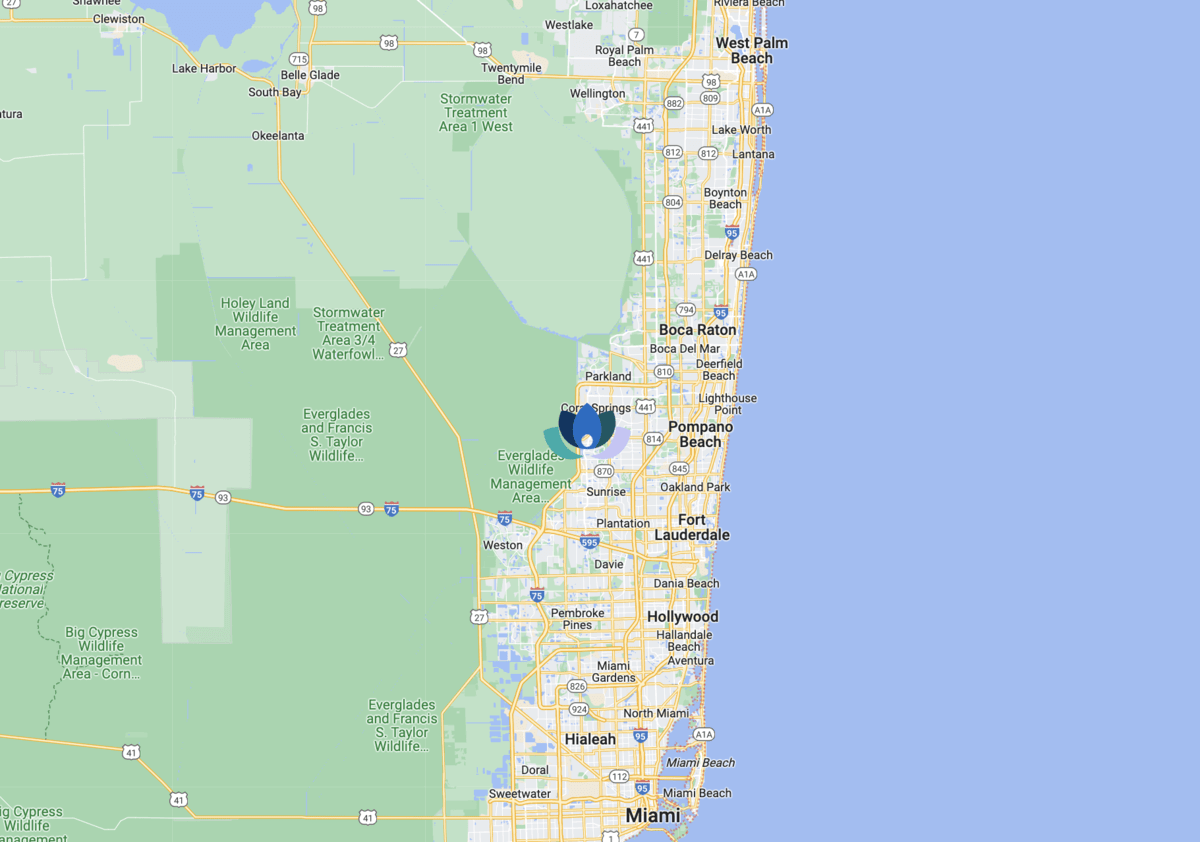
Self-loathing doesn’t exist in a vacuum. It’s tied to something real: depression, trauma, anxiety, or multiple conditions that deserve accurate diagnosis. At The Sylvia Brafman Mental Health Center in Tamarac (7710 NW 71ST CT, Tamarac, Florida 33321), we dig deeper to understand what’s driving your self-hate beyond the symptom, especially when you’re dealing with multiple diagnoses that complicate the picture.

We believe healing happens best in a small, intimate program where you’re not just a number in a system. Our psychiatrists and clinicians specialize in accurate diagnosis, starting with our free mental health assessment. Our whole team builds real connections with you, getting to know your story and what matters most. Whether you’re struggling with severe self-loathing that requires our partial hospitalization program with FARR-certified housing support, or you need the flexibility of our intensive outpatient program while you sleep at home, we have the full range of care to meet you where you are. And as you move forward, our aftercare solutions keep you moving without leaving you stranded.

Medication management isn’t an afterthought; it’s woven into your entire treatment plan as a key part of our 5 Lanes approach. Our psychiatric team works alongside your therapist to ensure you’re on the right medications at the right doses, targeting the underlying conditions fueling your self-hatred. Whether it’s depression, anxiety, ADHD, or trauma, we treat the root causes so the self-loathing loses its grip on you.

Ready to start reclaiming your sense of purpose and direction? Call our helpful patient advocates at (877) 958-9212. Your healing matters, and we’re here to help you start it.

map-sylvia-brafman-mental-health-center-south-florida

Types of Treatment Available for Self-Loathing at Our Facility Near Fort Lauderdale

Self-loathing rarely gets better on its own, and the level of care you need depends on where you are right now. Some people need intensive support to break free from self-destructive patterns. Others can heal while maintaining their daily routines. We offer multiple levels of care, each designed to meet you where you are and move you toward lasting wellness.

Partial Hospitalization Program (PHP)

Partial Hospitalization Program (PHP)

Our Partial Hospitalization Program (PHP) is for people whose self-loathing has escalated to moderate or severe symptoms: you’re struggling to function, thoughts of self-harm are persistent, or you’ve tried outpatient therapy without enough progress. You attend treatment during the day (typically 6-8 hours) and return home each evening, giving you structure and intensity while maintaining some independence.

We also offer PHP with housing for those who need a more contained environment or don’t have stable housing. Either way, you’re in group and individual therapy, working with psychiatry, and learning skills to interrupt self-hate spirals. Partial hospitalization programming bridges crisis and outpatient care.

Intensive Outpatient Program (IOP)

Intensive Outpatient Program (IOP)

Our Intensive Outpatient Program (IOP) works for people whose self-loathing is real and disruptive but not so acute that you need all-day treatment. You might be working, in school, or caring for family, and you need flexibility without sacrificing intensity. IOP typically meets 3-5 evenings or mornings per week, with group therapy, individual sessions, and psychiatric support.

You sleep at home, keep your routine, but still get the therapeutic firepower to address core patterns. IOP is ideal if outpatient therapy alone hasn’t been enough and you want to stay grounded in your life while you heal.

Aftercare Solutions

Aftercare Solutions

Healing only deepens when your primary treatment does. Aftercare is your safety net. We offer step-down outpatient therapy, online mental health care for ongoing support without the commute, and peer support groups where you connect with others who understand self-loathing from the inside.

Relapse prevention planning happens throughout your treatment so you know your triggers, your warning signs, and exactly what to do when self-hate starts creeping back. Aftercare isn’t optional; it’s essential to staying well.

Need More Support?

Need More Support?

If you need residential care with 24/7 oversight, housing, meals, and intensive therapy in one place, know that we also operate The Sylvia Brafman Mental Health Center in Georgia. That residential program is ideal for severe, treatment-resistant self-loathing, complex trauma, or dual diagnoses that need round-the-clock attention. You’re fully supported while you heal.

Whether you’re in South Florida or need to step away for deeper work, we have the level of care that fits your needs.

Types of Treatment Available for Self-Loathing at Our Facility Near Fort Lauderdale

Do Florida Insurance Providers Cover Treatment for Self-Loathing?

Most Florida insurance providers cover treatment for self-loathing because it’s typically a symptom of a diagnosable mental health condition like depression, anxiety, trauma, or a personality disorder. Your insurance doesn’t cover the symptom itself; it covers the underlying diagnosis. That’s why getting the right diagnosis matters. Our team works with your insurance to verify coverage and maximize your benefits.

Coverage varies by plan, provider, and diagnosis. Some plans fully cover partial hospitalization/intensive outpatient programs or require a copay; others require higher out-of-pocket costs. If you’re uninsured or underinsured, we work with you on payment flexibility and can connect you with community resources. The best way to know what your plan covers is to review your full benefits. You can also call us; our patient advocates work with insurance every day and can verify your benefits before you start treatment.

insurance-accepted
[]

How to Help a Loved One Who Expressed Self-Hatred

When someone you love tells you they hate themselves, it’s devastating. You want to fix it, make them see their worth, convince them they’re wrong. But self-loathing runs deep, and reassurance alone won’t fix it. They need professional care, and you need guidance on how to support them without shouldering their healing yourself. You’re not equipped to do this alone.

Take their words seriously. Self-hatred is a mental health crisis, especially if they’re talking about harming themselves or have a plan. If there’s any mention of suicide, call 988 (Suicide and Crisis Lifeline) immediately. Don’t leave them alone. For ongoing support on how to help (what to say, what not to say, and how to set boundaries while staying present), we can connect you with our network of intervention specialists who help families navigate this exact situation every day. Reach out to The Sylvia Brafman Mental Health Center today at (877) 958-9212 to learn how to support your loved one through professional treatment and begin healing as a family.

A mature woman at home calling for mental health support for a family meember

Frequently Asked Questions About Self-Loathing

You probably have questions about self-loathing: what it is, why it won’t go away, how to help someone experiencing it. We’ve answered some of the most common ones below. If your question isn’t here, reach out to us. Our team at The Sylvia Brafman Mental Health Center is happy to talk.

Is It Normal Not to Like Yourself?

Everyone has moments of self-doubt or mild self-criticism, and that’s normal. But persistent, intense self-hatred isn’t. If you’re constantly putting yourself down, avoiding opportunities because you feel unworthy, or having thoughts of self-harm, that’s a sign something deeper is happening. Self-loathing is treatable, and you don’t have to live with it.

Why Won’t My Self-hatred Go Away?

Self-loathing usually won’t go away on its own because it’s typically rooted in something like trauma, depression, anxiety, perfectionism, or early life experiences. Without addressing the underlying cause, the thoughts just keep cycling back. Professional treatment targets what’s driving the self-hate, not just the surface symptoms. That’s why therapy and, sometimes, medication make a real difference.

Do Antidepressants Help With Self-Loathing?

Antidepressants can help reduce the intensity of self-loathing by treating depression, anxiety, or other conditions fueling it. They don’t erase negative thoughts, but they can lower the volume enough for therapy to work better. Medication works best as part of a complete treatment plan that includes therapy, not as a standalone solution.

What Should I Say When a Friend Tells Me They Hate Themselves?

Listen without trying to fix. Avoid minimizing (“You’re being too hard on yourself”) or over-reassuring (“You’re amazing!”). Instead, say something like “I hear you, I’m glad you told me” or “That sounds really painful. How can I help?” Encourage them to seek professional care, and let them know you’re there, but remember that their healing is their job, not yours.