Serious & Persistent Mental Illness (SPMI) Treatment Near Fort Lauderdale, FL

Living with a serious, persistent mental illness, or loving someone who does, is exhausting and isolating. You may feel misunderstood by those around you or feel like you’re walking on eggshells. The stigma, the symptoms, the daily struggles: they’re real, and you’re not alone in what you’re experiencing.

The Sylvia Brafman Mental Health Center serves adults in the Fort Lauderdale, FL area who are ready to take control of their mental health. We’re a mental health center first and foremost, meaning we specialize in treating serious, persistent mental illness with comprehensive care, whether you need housing support or are already stably housed. Our team understands what you’re going through, and we’re here to meet you where you are. Connect with Sylvia Brafman today to learn more about how we can help you reclaim your life and build toward the future you deserve.

What Does “Serious and Persistent Mental Illness” Actually Mean?

When your mental health disorder significantly impacts your ability to work, maintain relationships, or care for yourself, and when that struggle shows up day after day, month after month, you’re dealing with something that goes beyond typical stress or sadness. These are serious, persistent conditions. They’re not something you can simply “think away” or overcome with willpower alone.

A Serious and Persistent Mental Illness (SPMI) shows up differently for everyone. You might experience schizophrenia, bipolar disorder, major depression, or severe anxiety; each one shapes your life in unique ways. What they have in common is that they’re long-term conditions. They don’t disappear after a few weeks of feeling better. Instead, they require ongoing treatment and support to help you manage symptoms and reclaim stability in your life.

The “persistent” part matters just as much as the “serious” part. This isn’t about a rough patch or a temporary setback. You’re dealing with a condition that’s likely to stick around without proper treatment. But here’s what’s important: persistence doesn’t mean hopelessness. Chronic mental illnesses require real treatment, real support, and real commitment to healing. With the right support system, therapy, medication management, and resources, you can learn to live well despite your diagnosis. Recovery isn’t about erasing your condition; it’s about building a life that works for you.

What Mental Health Conditions Are Commonly Associated With SPMI?

You might hear terms like schizophrenia, bipolar disorder, or severe depression, and wonder how they connect to serious and persistent mental illness. The truth is, SPMI isn’t one specific diagnosis; it’s a category that includes several mental health disorders that are serious enough to significantly disrupt your life and persistent enough to require ongoing treatment.

Understanding which conditions fall under this umbrella can help you recognize what you’re dealing with and know you’re not alone:


DiagnosisWhat It IsConnection to SPMIKey Characteristics
SchizophreniaA psychotic disorder affecting how you perceive reality, think, & communicateOne of the most commonly diagnosed SPMI conditions; often appears in late teens to early adulthoodHallucinations, delusions, disorganized speech & behavior, difficulty with motivation, & social withdrawal
Bipolar DisorderA mood disorder characterized by extreme shifts between manic (elevated) & depressive episodesMeets SPMI criteria due to its severity & the long-term treatment required to manage mood episodesIntense mood swings, impulsive behavior during manic phases, deep hopelessness during depressive phases, interrupted sleep patterns
Major Depressive Disorder (MDD)Persistent, overwhelming sadness & loss of interest that goes far beyond normal grief or sadnessQualifies as SPMI when severe enough to prevent you from working, caring for yourself, or maintaining relationshipsPersistent sadness, fatigue, feelings of worthlessness, difficulty concentrating, thoughts of death or suicide
Severe Anxiety DisordersIntense, uncontrollable worry or panic that interferes with daily functioningBecomes SPMI when anxiety is so severe it prevents you from working or engaging in normal activitiesPanic attacks, excessive worry, avoidance behaviors, physical symptoms (racing heart, trembling), social isolation
Schizoaffective DisorderA combination of schizophrenia symptoms (hallucinations, delusions) with significant mood episodesMeets SPMI criteria because it combines psychotic & mood symptoms, requiring comprehensive treatmentPsychotic symptoms alongside depressive or manic episodes, unpredictable mood changes, difficulty maintaining stability
Post-Traumatic Stress Disorder (PTSD)A condition that develops after experiencing or witnessing trauma; it rewires how your brain responds to triggersCan become SPMI when symptoms are severe enough to prevent employment, housing stability, or daily functioningIntrusive flashbacks, nightmares, hypervigilance, emotional numbness, avoidance of reminders, severe anxiety responses

Signs It May Be Time to Seek Professional Help for Your SPMI

You might not be sure whether what you’re experiencing truly warrants professional help, or you could be wondering if things will improve on their own. The truth is, serious and persistent mental illness doesn’t typically get better without treatment. Recognizing the signs that you need support is one of the bravest steps you can take toward reclaiming your life.

The signs you may benefit from professional treatment for an SPMI break down into a few key areas:

Self-Care & Daily Living:

  • You’re struggling to shower, brush your teeth, or keep yourself clean
  • Meals feel impossible to prepare or remember to eat
  • Your living space is becoming increasingly difficult to maintain
  • Basic hygiene and grooming feel overwhelming or pointless

Social Connections:

  • You’ve withdrawn from friends and family, even people you care about
  • Relationships feel too exhausting or confusing to maintain
  • You’re isolating yourself more and more
  • Social situations trigger intense anxiety or fear

Work & Concentration:

  • You can’t focus or concentrate long enough to complete tasks
  • Work performance is suffering, or you’ve stopped working altogether
  • Your mind feels foggy or scattered most of the time
  • You’re missing deadlines or struggling to follow through on commitments

Mood & Thoughts:

  • You’re experiencing persistent sadness, hopelessness, or numbness
  • Suicidal thoughts or self-harm urges are present
  • Your mood swings are unpredictable and intense
  • You’re having trouble distinguishing reality from delusions or hallucinations

Overall Functioning:

  • Multiple areas of your life are falling apart at once
  • You feel like you’re barely getting by day to day
  • Nothing seems to help, and you’re running out of hope
  • You recognize something isn’t right, but you can’t fix it alone

If you’re recognizing yourself in these signs, it’s time to reach out. The Sylvia Brafman Mental Health Center is here to collaborate with you to determine next steps. Call our patient advocates today at (877) 958-9212. We’ll listen, understand, and work with you to create a treatment plan that meets your needs. You don’t have to keep struggling alone.

Get Support for Serious & Persistent Mental Illness

If you or a loved one is navigating the challenges of a serious and persistent mental illness, you don’t have to manage it alone. Our clinical team at Sylvia Brafman specializes in structured psychiatric care to help stabilize complex symptoms, clarify your treatment options, and provide ongoing support tailored to your diagnosis. Request a confidential callback to speak directly with our team.

"*" indicates required fields

This field is for validation purposes and should be left unchanged.
Please let us know your preferred way for us to contact you.
The Sylvia Brafman Mental Health Center logo - Mental Health Providers in Florida

How Sylvia Brafman Treats Serious and Persistent Mental Illness at Our South Florida Facility

At The Sylvia Brafman Mental Health Center, we treat SPMIs with the depth and expertise they deserve. We’re Joint Commission accredited, meaning we meet the highest standards for quality and safety. Our psychiatrists, headed by Dr. Richard Seely, work closely with therapists to manage medication and therapy in tandem.

We don’t just treat symptoms; we address the whole person and help you build a life that works. Our approach is structured around the 5 Lanes methodology, a framework that integrates medication management, individual therapy, group therapy, family involvement, and life skills training. This isn’t fragmented care where your therapist doesn’t know what your psychiatrist is doing. Everyone on your team communicates, coordinates, and moves together toward your goals. Whether you choose our partial hospitalization program with nearby FARR-certified housing for intensive support, or our flexible intensive outpatient program to balance treatment with work or school, your care is personalized and evidence-based.

We know that SPMIs affect entire families, which is why our Family Program is woven into treatment from day one. You’re not alone in this; your loved ones receive education, therapy, and support so they can be part of your recovery rather than feeling helpless on the sidelines. And because we believe in your future, we also offer our Career Launch Program, which helps you build job skills, explore work opportunities, and move toward independence. At The Sylvia Brafman Mental Health Center, treatment means real recovery, and that includes building the life you want to live going forward. To learn more about our admissions process, reach out today.

Is This the Right Level of Care for You?

Not every mental health center is the right fit for where you are right now. Some people need crisis intervention or short-term hospitalization; others need outpatient therapy. Sylvia Brafman specializes in serving adults who are ready to commit to ongoing treatment and real change. If you’re looking for comprehensive, long-term support tailored to your needs, you’ve found the right place.

We offer multiple levels of care to meet you where you are. Our Intensive Outpatient Program (IOP) is ideal if you need structured treatment several times a week but can live independently or with support. Our Partial Hospitalization Program (PHP) provides more intensive daytime care for those who need it, and we offer nearby housing options for PHP participants. We also offer virtual mental health treatment, so you can access care from home if that works better for your situation. Whether you’re newly diagnosed and need guidance, or you’ve been managing your condition for years and need more support, we can help.

You’re a good fit for The Sylvia Brafman Mental Health Center if you’re stable enough to live in the community (with or without housing assistance), ready to engage in your own recovery, and looking for a mental health center that truly understands serious and persistent mental illness. We’re not an emergency crisis unit or an inpatient stabilization facility; we’re your partner in long-term healing and stability. If you’re ready to take the next step, let’s talk about which level of care makes sense for you. Contact the Sylvia Brafman patient advocates today.

Mental health treatment

Effective Treatment Methods for Serious and Persistent Mental Illness

There’s no one-size-fits-all cure for serious and persistent mental illness, but there are evidence-based treatments that really work. The right combination of therapies, medication management, and support can help you manage symptoms, build stability, and reclaim your life. Let’s explore a sampling of the key treatment methods we use at The Sylvia Brafman Mental Health Center.

Medication and Psychiatric Support

Medication and Psychiatric Support

Medication management is often foundational to recovery. Psychiatric support means having a provider who monitors how you’re doing, adjusts medications, and listens to your concerns. Finding the right medication and dose takes time, but when it works, the difference is life-changing. You’ll have fewer symptoms, better sleep, clearer thinking, and stability to engage in other parts of your treatment.

Cognitive Behavioral Therapy (CBT)

Cognitive Behavioral Therapy (CBT)

CBT teaches you to recognize the connections among your thoughts, feelings, and behaviors, and to change unhelpful patterns. It’s practical and goal-oriented, helping you challenge negative thinking and develop coping skills you can use every day. With SPMIs, CBT gives you concrete tools to manage symptoms, reduce distress, and feel more in control of your life.

Dialectical Behavior Therapy (DBT)

Dialectical Behavior Therapy (DBT)

DBT combines individual therapy, skills training, phone coaching, and therapist consultation to help you build a life worth living. It’s especially helpful if you struggle with emotional intensity, self-harm, or suicidal thoughts. DBT teaches acceptance and change strategies simultaneously, helping you tolerate distress while working toward meaningful goals.

EMDR and Trauma-Informed Care

EMDR and Trauma-Informed Care

If trauma underlies or worsens your mental illness, trauma-informed care matters. Eye Movement Desensitization and Reprocessing (EMDR) is a specialized therapy that helps process traumatic memories, so they lose their emotional charge. Trauma-informed care recognizes how past experiences shape your present and creates safety so healing can happen.

Family Involvement

Family Involvement

Your family isn’t separate from your recovery – they’re part of it. The Sylvia Brafman Mental Health Center believes in integrating loved ones into your treatment whenever possible. Family involvement helps improve communication, reduce conflict, and build understanding. When your family understands SPMI and learns to support you effectively, your whole system heals.

Online mental health therapist on video chat

Why Choose Sylvia Brafman for Serious and Persistent Mental Illness Treatment Near Fort Lauderdale?

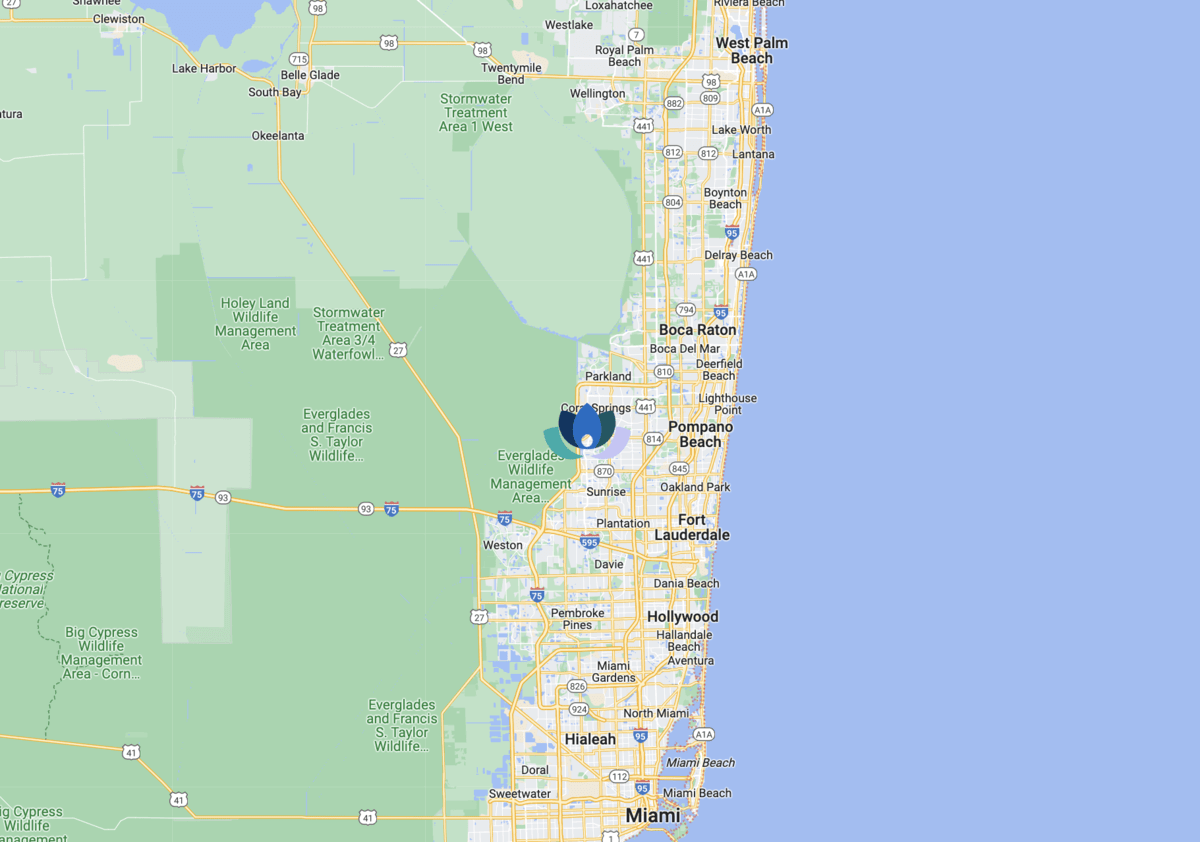
Choosing the right center for SPMI treatment is one of the most important decisions you’ll make. You need expertise, compassion, and a real plan, not just a place to sit. The Sylvia Brafman Mental Health Center, located at 7710 NW 71st Ct, Tamarac, Florida 33321, is accredited and led by experienced clinicians.

Your care isn’t fragmented across different providers; it’s coordinated through our proven 5 Lanes Approach, which integrates care in all areas of your life. We don’t leave medication to chance; our on-site psychiatric team works with you to find the right fit and dose, then monitors closely as you stabilize.

Our setting matters too. You’ll receive treatment in sunny South Florida, surrounded by an adult-only community where you’re treated as a peer, not a patient number. We accept many insurance plans and work with patients from across the country. If you’re traveling from out of state, we help coordinate comfortable accommodations so you can focus entirely on your recovery. We also know your SPMI doesn’t just affect you; it affects your whole family. That’s why our integrated Family Program includes education, therapy, and communication repair so your loved ones understand what you’re going through and can actually help, rather than feeling lost.

But here’s what sets us apart: we don’t just stabilize you and send you out the door. Our Career Launch Program helps you rebuild your life after treatment, find meaningful work, develop job skills, and reconnect with purpose. Recovery from an SPMI means more than managing symptoms; it means creating a life worth living. To learn more or schedule your free assessment, call us today. We’re here to help.

map-sylvia-brafman-mental-health-center-south-florida

Types of Treatment Programs in Florida for Serious and Persistent Mental Illness

Florida has different levels of mental health care designed to meet people where they are. Whether you need intensive daily support or weekly therapy sessions, there’s a program that fits your needs. Understanding the differences can help you and your treatment team figure out what works best for your recovery right now. Let’s break down the main options available.

Partial Hospitalization Program (PHP)

Partial Hospitalization Program (PHP)

Partial hospitalization programming is for people with moderate to severe SPMI symptoms who need structured treatment but don’t need 24/7 inpatient care. You’ll attend treatment several days a week during the day, then return home in the evenings. This level of care is ideal if you’re ready to commit to intensive healing but don’t require consistent oversight.

Intensive Outpatient Program (IOP)

Intensive Outpatient Program (IOP)

An intensive outpatient program is perfect if you need strong therapy support but have a more flexible schedule. You attend sessions multiple times a week while living at home and managing daily life. It’s perfect if you’re stepping down, have moderate symptoms you want to address head-on, or need more support than traditional weekly therapy.

Outpatient Program

Outpatient Program

Standard outpatient therapy is often a step-down option, or a starting point if your symptoms are mild to moderate. You’ll meet with a therapist weekly or biweekly for individual sessions, medication management, or both. Outpatient care works well if you’re stable, working or in school, and need ongoing support to stay well. It’s flexible and lets you maintain your routine.

Residential Treatment

Residential Treatment

Some people need 24/7 residential care with around-the-clock support and supervision. While The Sylvia Brafman Mental Health Center in Florida offers PHP with optional nearby housing for our participants, we don’t provide traditional residential treatment. However, our sister location in Georgia does offer residential care for those who need that level of ingrained support.

Bedrooms at our mental health retreat center

Does Insurance Cover Treatment for Serious and Persistent Mental Illness in Florida?

Yes, most insurance plans cover treatment for serious and persistent mental illness in Florida. Mental health parity laws require insurance companies to cover psychiatric care on the same basis as physical health care. The specifics depend on your plan, so it’s worth checking with your insurance company or asking us – we can verify your benefits.

Even if you’re uninsured or underinsured, treatment is still possible. The Sylvia Brafman Mental Health Center works with people with different insurance plans and can discuss payment flexibility or resources that might help. Don’t let insurance concerns stop you from getting help. Reach out to us, and we’ll work together to find a path forward that fits your situation.

For Families and Loved Ones Concerned About Someone With a Serious, Persistent Mental Illness

Watching someone you care about struggle with serious and persistent mental illness can feel isolating and overwhelming. You might wonder if you’re doing enough, saying the right things, or how to help without enabling. The truth is, your love and support matter, and you don’t have to figure this out alone.

The Sylvia Brafman Mental Health Center understands that family involvement is essential to recovery, and we’re here to support both your loved one and you. We offer several resources and services designed to help families navigate this journey together. Whether you’re looking for guidance, crisis support, or treatment options, here’s what we can provide:

  • A free mental health assessment for your loved one, with no obligation: we’ll help determine what level of care makes sense and answer your questions
  • Family therapy sessions where you can learn communication skills, set healthy boundaries, and understand your loved one’s illness
  • Psychoeducation groups that help family members understand SPMI, reduce stigma, and feel less alone
  • Network of interventionists who can help facilitate conversations about treatment, especially if your loved one is hesitant or resistant
  • Immediate support and guidance via our free mental health hotline.
  • Regular family meetings as part of your loved one’s treatment plan, so you’re informed and involved in their care
  • Support groups where you can connect with other families who truly understand what you’re going through

If you’re concerned about someone you love, taking action now can make all the difference. Reach out to The Sylvia Brafman Mental Health Center today. Contact us for a free assessment, to ask about family resources, or simply talk through what you’re seeing. We’re here to help your whole family heal together.

Frequently Asked Questions About Serious and Persistent Mental Illness

You probably have questions about SPMI: what it means, how long treatment takes, whether you’ll ever feel better. We hear these questions all the time, and they’re important. Below are answers to some of the most common questions we get from people considering treatment at The Sylvia Brafman Mental Health Center.

A persistent and serious mental illness is a mental health condition that lasts long-term and significantly impacts your ability to work, maintain relationships, and care for yourself. Conditions like schizophrenia, bipolar disorder, and severe depression qualify as SPMI. With proper treatment (medication, therapy, and support) people with SPMI can manage symptoms and build stable, meaningful lives.

Severe persistent mental illness means your symptoms are intense enough to seriously disrupt your daily functioning. You might struggle to hold a job, maintain hygiene, or stay safe. SPMI isn’t about occasional bad days; it’s about ongoing challenges that need consistent treatment. The good news is that with the right support, severity can decrease and stability is possible.

Chronic mental illnesses are conditions that persist over time and typically need ongoing management. These include schizophrenia, bipolar disorder, severe depression, anxiety disorders, PTSD, and schizoaffective disorder. “Chronic” doesn’t mean hopeless; it means your condition needs sustained treatment, just like diabetes or heart disease needs ongoing care. Many people manage chronic mental illness successfully and live full lives.

Treatment length varies based on your needs, symptoms, and goals. Some people need intensive care for several months before stepping down to outpatient therapy; others benefit from ongoing support for years. We work with you to create a treatment plan that makes sense for your situation. The goal isn’t to rush you; it’s to help you reach and maintain stability.