




Insomnia Disorder Treatment Center in South Florida

The Sylvia Brafman Mental Health Center near Fort Lauderdale, Florida, offers specialized treatment for insomnia disorder to improve your sleep and support your overall mental and physical well-being. Our treatment for co-occurring sleep disorders can address both sleep disruption and underlying contributing factors such as behavioral health concerns. If you are looking for mental health rehabilitation to help you start having restful nights, call us to schedule a free assessment, verify your insurance, and explore next steps for care.

Learning About Insomnia

Insomnia is a sleep disorder that can significantly affect your daily life, causing fatigue, mood disturbances, and difficulty concentrating in your waking hours. If you’re struggling with persistent sleeplessness, finding the right treatment is essential for improving your quality of life. At Sylvia Brafman, we specialize in treating co-occurring insomnia through a combination of therapy, medication management (if applicable), and holistic approaches.

Insomnia is considered both a psychological and a medical condition. While it can occur on its own (primary insomnia), it is often linked to underlying psychological issues like anxiety, depression, or stress (secondary insomnia). Insomnia can also be a symptom of other mental health disorders, such as anxiety or bipolar disorder, making it a complex issue that often requires both psychological and medical intervention.

Sylvia Brafman’s clinicians work with you to uncover the root causes of your insomnia, whether it’s stress, anxiety, or another underlying condition. With a personalized treatment plan, you’ll learn strategies to restore healthy sleep patterns. Contact us to learn more about our sleep disorder treatment approaches and begin sleeping restful nights.

Person in bed

What Are Common Types of Insomnia Disorders?

Insomnia disorders come in various forms, each affecting sleep differently. While not an exhaustive list, the following examples highlight some of the most common types experienced. Understanding these variations can help you identify which type of insomnia might be impacting your sleep and guide you toward the proper treatment options.

Sleep-Onset Insomnia

Sleep-Onset Insomnia

Sleep-onset insomnia makes it difficult to fall asleep when you settle into bed at night, even when you’re tired. You might find yourself lying awake for long periods, frustrated by your inability to drift off. Stress, anxiety, or an irregular sleep routine can cause this type of insomnia, and professional treatment at a mental health clinic can help.

Sleep-Maintenance Insomnia

Sleep-Maintenance Insomnia

Sleep-maintenance insomnia causes you to wake up frequently during the night, making it hard to stay asleep and get quality rest. You might find yourself waking up multiple times or struggling to fall back asleep after waking too early. These restless nights can leave you feeling tired and depleted of energy. Addressing the root causes can help improve poor sleep quality.

Mixed Insomnia

Mixed Insomnia

Mixed insomnia affects your ability to fall asleep and stay asleep throughout the night. You may struggle with sleep-onset insomnia, nighttime wakefulness, or waking up too early. This combination can lead to chronic fatigue and frustration. Seeking professional help at a mental wellness center, such as Sylvia Brafman, can guide you toward effective treatments to address mental health concerns and restore healthy sleep patterns.

Paradoxical Insomnia

Paradoxical Insomnia

Paradoxical insomnia makes you feel as though you’re getting little to no sleep, even when you’re sleeping more than you practically need. You might wake up exhausted, convinced you’ve barely slept despite spending sufficient hours resting. This condition can lead to sleep-related anxiety, and therapy for anxiety can help you recognize and manage these sleep misperceptions effectively.

Couple holding hands in a therapy session

What Is an Insomnia Disorder Treatment Program in Florida?

Insomnia disorder treatment programs in Florida can help you address the underlying cause of your sleep difficulties and restore healthy sleep patterns. The Sylvia Brafman Mental Health Center offers personalized insomnia treatment plans that include therapy, counseling, and holistic approaches. We focus on identifying the root issues (such as stress or anxiety) of your sleep-wake cycle disruption.

We work closely with you to develop strategies that promote relaxation and improve sleep habits. If you’re seeking an insomnia disorder treatment program in Florida, call the Sylvia Brafman hotline to schedule a confidential assessment, verify your insurance coverage, and learn more about our admissions process.

Insomnia Disorder Treatment Programs Near Fort Lauderdale, Florida

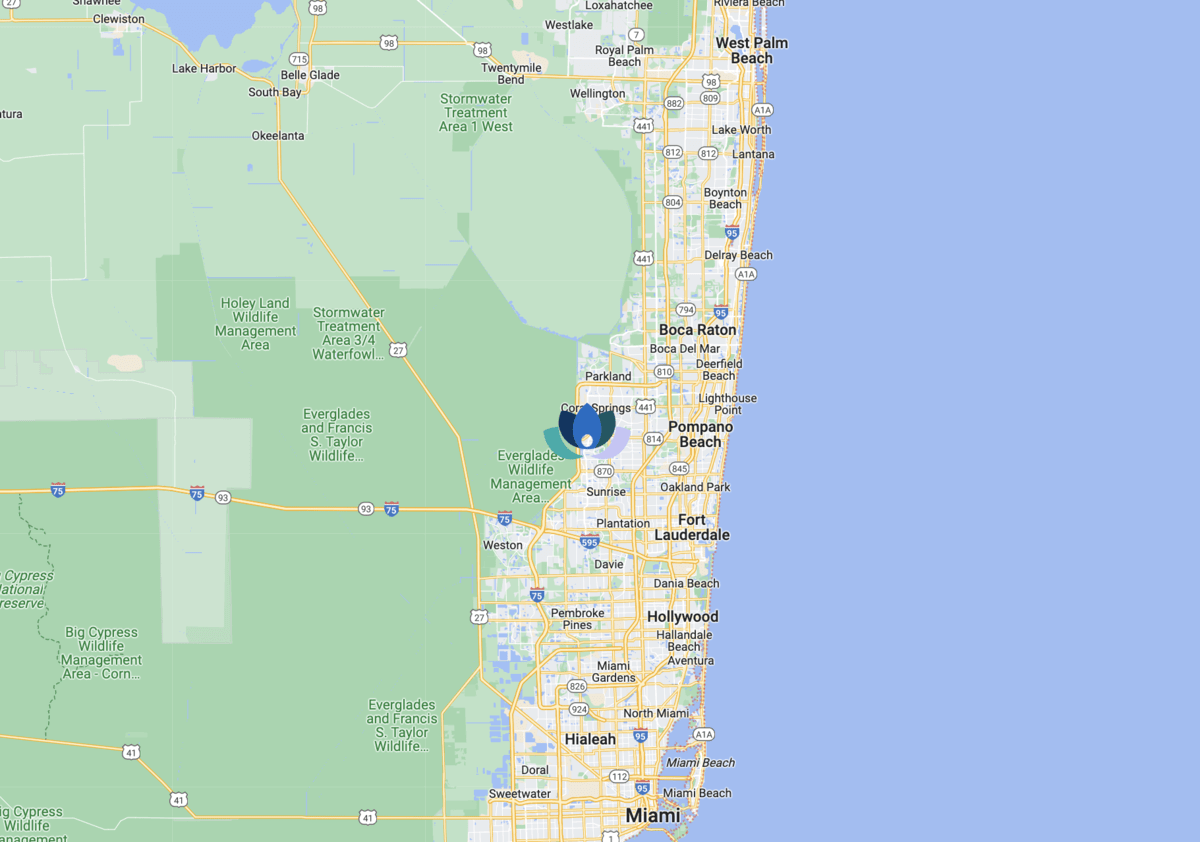
If you’re searching for insomnia disorder therapy and treatment programs near Fort Lauderdale, The Sylvia Brafman Mental Health Center offers comprehensive care for both mental health concerns and co-occurring insomnia. We accept several insurance plans to help cover your treatment. Visit us at 7710 NW 71st Ct., Tamarac, FL 33321, where our team is dedicated to addressing your sleep disturbances with personalized care.

At our counseling center, we can conduct a thorough assessment to understand your unique sleep challenges and recommend tailored treatment options. Whether you need treatment for depression or an intensive treatment program to address sleep deprivation, we’re here to help. Call (877) 958-9212 or fill out our contact form to learn how our mental health treatment programs can relieve your fatigue and insomnia.

map-sylvia-brafman-mental-health-center-south-florida

Common Treatment Methods and Programs for Insomnia in South Florida

Common treatment methods and programs for insomnia typically focus on addressing the underlying causes of sleep disturbances. These programs often include a variety of therapeutic approaches tailored to your individual needs. Let’s explore the different treatment options available in South Florida, such as Partial Hospitalization Programs (PHPs), Intensive Outpatient Programs (IOPs), and medication management.

PHP and Evening Treatment for Insomnia Disorder

PHP and Evening Treatment for Insomnia Disorder

PHPs near Fort Lauderdale offer a structured and supportive environment for treating chronic insomnia. These programs provide intensive therapy during the day while allowing you to return home in the evenings. The PHP at Sylvia Brafman combines individual and group therapy with skills training to help you develop effective coping skills.

If you prefer evening treatment options, we also offer programs designed to accommodate your schedule. Evening sessions provide flexibility while ensuring you receive the support and guidance you need to improve your sleep. Whether you prefer treatment during the day or in the evenings, participants in our PHP have the option to reside in our nearby housing.

Medication Management for Insomnia Disorder Treatment

Medication Management for Insomnia Disorder Treatment

Medication management can be crucial to helping you regain restful sleep. At Sylvia Brafman, we understand that sometimes, sleeplessness may require pharmacological support. We will assess you to determine the most appropriate medications tailored to your needs.

In conjunction with therapy and lifestyle modifications, medication management services at a mental health treatment center or psychiatric hospital can provide relief from insomnia symptoms and improve your overall sleep quality. Our healthcare professionals will monitor your progress and adjust dosages and/or your treatment plan as needed.

Outpatient and IOP for Insomnia Disorder

Outpatient Therapy and IOP for Insomnia Disorder

If you’re having difficulty sleeping, traditional outpatient therapy and Intensive Outpatient Programs (IOPs) in the Fort Lauderdale area are flexible treatment options. These programs are ideal if you need support while maintaining daily responsibilities, such as work or school. Traditional outpatient treatment allows you to participate in therapy while living at home, ensuring you receive the care you need without interrupting your routine.

IOPs offer a more intensive level of support than general outpatient services, featuring multiple therapy sessions each week, including group therapy, individual counseling, and skills training. This structure meets 3-5 days weekly and helps you address the underlying issues contributing to your insomnia, all while fostering a supportive community.

Inpatient Residential Insomnia Disorder Treatment

Inpatient Residential Insomnia Disorder Treatment

Inpatient mental health treatment for insomnia disorder near Fort Lauderdale provides a comprehensive, immersive experience designed to help you address severe sleep disturbances effectively. Residential programs allow you to focus in an environment free from daily distractions. You’ll receive 24/7 care from an experienced team of medical professionals and therapists who specialize in insomnia treatment.

Residential mental health treatment for insomnia combines therapy, medication management, and holistic practices to target the root causes of your insomnia. Engaging in structured activities and therapeutic sessions helps you build healthy sleep habits.

Clinical facility healthcare staff at Sylvia Brafman

Learn More About Our Insomnia Treatment Program in South Florida

Ready to take the first step toward better sleep and better mental health? At The Sylvia Brafman Mental Health Center in Tamarac, near Fort Lauderdale, our team is standing by to answer your questions about our unique approach to insomnia treatment. Give us a call or fill out the form to request a callback.

"*" indicates required fields

This field is for validation purposes and should be left unchanged.
Please let us know your preferred way for us to contact you.
The Sylvia Brafman Mental Health Center logo - Mental Health Providers in Florida

Evidence-Based Therapies for Insomnia Available Near Fort Lauderdale, Florida

Evidence-based therapies for insomnia disorders are essential for effective treatment and lasting results. Near Fort Lauderdale, various therapeutic approaches are available to help address the underlying issues affecting your sleep. Let’s go over a few examples of evidence-based therapies commonly used to treat insomnia.

Acceptance and Commitment Therapy (ACT)

Acceptance and Commitment Therapy (ACT)

Acceptance and Commitment Therapy (ACT) focuses on helping you accept your thoughts and feelings about sleep rather than trying to control or avoid them. By cultivating mindfulness, you learn to observe thoughts without judgment, reducing anxiety around sleep. ACT encourages you to take action aligned with your values, even when facing sleep difficulties.

Through this process, you can develop healthy sleep habits and a more flexible mindset. The goal is to help you create a more fulfilling life while also improving your ability to sleep soundly. If you’re interested in exploring ACT for your insomnia disorder, consider discussing this option with your treatment team.

Cognitive Behavioral Therapy (CBT)

Cognitive Behavioral Therapy (CBT)

Cognitive Behavioral Therapy (CBT) is a widely recognized, effective treatment for insomnia disorders. This therapeutic approach focuses on identifying negative thought patterns and behaviors that contribute to your sleep difficulties. You will learn to reframe unhelpful sleep-related thoughts and develop healthy sleep habits that can improve sleep quality and duration.

During CBT sessions, you will also work on relaxation techniques, sleep scheduling, and setting realistic expectations for sleep. This approach can help you address the underlying causes of your insomnia, leading to long-term improvements in your sleep patterns. If you are considering CBT for your insomnia disorder, it is advisable to discuss this option with a qualified therapist to determine the best course of action.

Interpersonal Therapy (IPT)

Interpersonal Therapy (IPT)

Interpersonal Therapy (IPT) can be a valuable approach for addressing insomnia disorders by focusing on the relationships and social factors affecting your sleep. IPT helps you identify interpersonal issues, such as conflicts, role transitions, or grief, that may contribute to your insomnia. By improving your communication skills and relationship dynamics, you’ll reduce stress and anxiety, which can lead to better sleep.

During IPT sessions, you will work with your therapist to explore how your social interactions affect your mental health and sleep patterns. This therapeutic approach promotes emotional awareness and helps you develop healthier connections with others, ultimately fostering a more supportive environment for restful sleep.

Mindfulness-Based Cognitive Therapy (MBCT)

Mindfulness-Based Cognitive Therapy (MBCT)

Mindfulness-Based Cognitive Therapy (MBCT) is an effective approach for managing insomnia disorders. It combines cognitive-behavioral techniques with mindfulness practices. This therapy helps you develop greater awareness of your thoughts and feelings related to sleep, allowing you to respond more effectively. Through mindfulness exercises, you’ll learn to observe your thoughts without judgment, reducing anxiety and promoting a sense of calm.

MBCT encourages you to cultivate a non-reactive mindset, helping you let go of the pressure to achieve perfect sleep. By integrating mindfulness with cognitive strategies, you can change negative thought patterns that interfere with your rest. This holistic approach not only improves your sleep quality but also enhances your overall emotional well-being.

Dialectical Behavior Therapy (DBT)

Dialectical Behavior Therapy (DBT)

Dialectical Behavior Therapy (DBT) is a therapeutic approach that can effectively address insomnia disorders, particularly when sleep issues are linked to emotional dysregulation or intense stress. DBT combines cognitive-behavioral techniques with mindfulness practices, helping you develop skills to manage emotions and improve your sleep patterns.

Through DBT, you’ll learn to identify and accept your feelings while also implementing strategies to cope with distress. This therapy emphasizes the importance of balance, teaching you how to navigate the tension between acceptance and change. By focusing on mindfulness, interpersonal effectiveness, and emotional regulation, DBT equips you with tools to reduce anxiety and promote restful sleep. If you’re struggling with insomnia due to emotional challenges, consider discussing DBT with your mental health provider.

Behavioral Activation (BA)

Behavioral Activation (BA)

Behavioral Activation (BA) can help you manage your insomnia disorder by encouraging you to engage in positive activities and routines. BA focuses on identifying and modifying behaviors that contribute to feelings of depression or anxiety, which can often affect your sleep quality.

By participating in enjoyable and meaningful activities, you can improve your mood and reduce any negative thoughts associated with insomnia. During BA sessions, you and your therapist will create a structured plan that incorporates regular activities and social interactions to help combat the inertia that can accompany sleep difficulties. This proactive approach fosters a sense of accomplishment and well-being, ultimately promoting healthier sleep patterns.

A person holds a coffee mug as they stand inside a treatment facility.

Does Health Insurance Cover Insomnia Disorder Therapy Near Fort Lauderdale, Florida?

Yes, health insurance often covers therapy for insomnia disorder near Fort Lauderdale, Florida. Many insurance companies provide coverage for a variety of mental health services, including therapy specifically designed to treat sleep disorders. The extent of your coverage will vary depending on your specific insurance provider and plan.

It’s important to verify your coverage details, including any copays, deductibles, and limitations on the number of sessions. Additionally, many therapists and treatment centers, like The Sylvia Brafman Mental Health Center, can assist you in understanding your benefits and submitting claims. If you’re considering therapy for insomnia, reach out to Sylvia Brafman to clarify your coverage options and ensure you receive the support you need.

How Much Does Insomnia Disorder Therapy Cost With and Without Insurance Support?

The cost of insomnia disorder therapy can vary widely based on your specific plan, provider, and whether you have insurance. Typically, therapy sessions for insomnia can cost $100 to $250 per visit, depending on the therapist’s experience and the treatment setting. If you have insurance, you might pay anywhere from $20 to $50 per session for hourly therapy, depending on your copay and deductible.

Additionally, many insurance plans cover a certain number of therapy sessions per year, so it’s beneficial to check your policy details. If you’re seeking therapy for insomnia, contacting your insurance provider can provide you with clearer cost expectations tailored to your coverage. However, contacting the patient advocates at The Sylvia Brafman Mental Health Center will streamline this process and provide details without unnecessary insurance jargon.

Male psychologist taking notes during a therapy session.

Signs and Symptoms of Insomnia Disorder

Insomnia disorder symptoms can significantly affect your daily life; recognizing these signs is the first step toward seeking help. If you’re struggling with sleep, you’re not alone; many people experience insomnia at some point. Understanding your symptoms can help you communicate with a healthcare provider and explore treatment options that work for you.

Common insomnia disorder symptoms can include:

  • Difficulty falling asleep: Tossing and turning at bedtime, unable to relax as sleep approaches;
  • Frustration or anxiety about sleep: Worry about your ability to get enough rest;
  • Waking up during the night: Frequent awakenings for extended periods that disrupt your sleep cycle;
  • Waking up too early: Rising before you’ve had adequate sleep, leaving you fatigued and irritable;
  • Excessive daytime sleepiness: Difficulty staying alert and focused during the day;
  • Mood changes: Feeling cranky, depressed, or anxious as a result of poor sleep;
  • Cognitive difficulties: Hard time paying attention, focusing on tasks, or remembering information; and/or
  • Increased errors and accidents: Making more mistakes or having more accidents due to fatigue.

Free and Confidential Insomnia Disorder Evaluation in Florida

The Sylvia Brafman Mental Health Center offers free and confidential insomnia disorder assessments and evaluations in Florida as the first step in our admissions process. This is an excellent opportunity for you to gain insights into your sleep difficulties and understand the underlying factors contributing to your insomnia. The assessment is comprehensive and supportive, ensuring you feel comfortable discussing your symptoms.

By taking this step, you can receive tailored recommendations for treatment options that suit your needs. To schedule your free insomnia disorder assessment, call us at(877) 958-9212. Your journey toward better sleep and improved well-being begins with this important first step, and our compassionate team is here to support you every step of the way.

What Is the Admissions Process for Insomnia Disorder Therapy at The Sylvia Brafman Mental Health Center?

What Is the Admissions Process for Insomnia Disorder Therapy at The Sylvia Brafman Mental Health Center?

While the specific admissions process for insomnia disorder therapy may vary from one treatment center to another, understanding the general steps can help you feel more prepared. Knowing what to expect can ease your anxiety and provide clarity as you progress toward better sleep and mental health. Let’s go over a general overview of our admissions process at SBMHC:

  • Initial Contact: The admissions process begins with your initial contact with The Sylvia Brafman Mental Health Center. You can reach out by phone or on our contact page. During this first step, you’ll speak with a compassionate patient advocate who will listen to your concerns and explain the available treatment options for insomnia disorders. We will provide you with an overview of the services offered and address any immediate questions you may have.
  • Assessment and Evaluation: Once you’ve made initial contact, you’ll undergo a comprehensive assessment and evaluation. This process is designed to gather detailed information about your sleep patterns, mental health history, and any co-occurring conditions. The assessment may include questionnaires and interviews to better understand your specific insomnia symptoms and how they affect your daily life. This information is crucial in developing an effective treatment plan for you.
  • Insurance Verification and Coverage: Following the assessment, we’ll verify your insurance coverage. The patient advocates will work with your insurance provider to determine your benefits and coverage options for insomnia disorder therapy. They will explain your financial responsibilities, such as copays and deductibles, so you have a clear understanding of the costs involved. If you don’t have insurance, we can discuss alternative payment options that are available to you.
  • Treatment Plan Development: Once your assessment is complete and your insurance verified, a personalized treatment plan will be developed. This plan will outline the therapeutic approaches and techniques that will be used to address your insomnia disorder. It will take into consideration your unique symptoms, goals, and any underlying mental health issues. The treatment plan may include varying approaches like Cognitive Behavioral Therapy for Insomnia (CBT-I), mindfulness practices, trauma therapy, and lifestyle changes aimed at improving your sleep quality.
  • Admissions Coordination: Our patient advocates will assist you in finalizing the details of your admission. They will schedule your therapy sessions, provide information on what to expect, and help you prepare. If you require any accommodations or have special needs, the team will work to ensure those are addressed prior to your admission.
  • Orientation and Program Introduction: On your first day, you’ll participate in an orientation and program introduction. This session will familiarize you with the facility, introduce you to the treatment team, and explain the structure of the therapy program. You’ll learn about the different therapies and activities you will engage in, as well as the goals of your treatment. This orientation aims to create a welcoming and supportive environment for your recovery journey.
  • Active Participation in Treatment: Active participation is essential for achieving positive outcomes. During therapy sessions, you will engage in various techniques to improve your sleep patterns and overall mental health. Your therapists will guide you through exercises and discussions that promote self-awareness, coping strategies, and behavioral changes to enhance your sleep quality. Your active involvement will help you make meaningful progress in addressing your insomnia disorder.
  • Progress Monitoring and Adjustments: As you go through the treatment program, your progress will be continuously monitored. Regular check-ins and evaluations will assess the effectiveness of the treatment plan and identify any areas that may need adjustment. Your treatment team will collaborate with you to make necessary changes, ensuring your therapy remains aligned with your evolving needs and goals. This ongoing process allows for a tailored approach, optimizing your journey toward better sleep and overall well-being.

Statistics and Info on Insomnia Disorders in Florida

Statistics and Info on Insomnia Disorders in Florida

  • 4% of adults in Florida report insufficient sleep, sleeping fewer than seven hours in a 24-hour period, according to America’s Health Rankings.
  • 6% of Florida adults felt tense, restless, or nervous or were unable to sleep in the last three days because they said their minds were troubled, according to the Florida Department of Health’s Behavioral Risk Factor Surveillance System (BRFSS).
  • Florida and Georgia are the 10th-most sleep-deprived states in the U.S., according to U.S. News & World Report.
  • A study on insomnia among Florida community members revealed the prevalence of self-reported insomnia was 27.3%, with higher rates among adults 65 and older, women, and those experiencing food insecurity, having a military history, having lower social support, living alone, having anxiety, or having cardiometabolic disease or ADHD. Black/African American people reported lower rates, and depression showed the strongest association with insomnia.
  • Nearly 30% of adults get an average of six hours of sleep or less per night, according to University of Florida Health.