



Abandonment Issues: Signs, Causes, and Treatment in South Florida

If you’re wrestling with deep fears of being left behind, or watching someone you care about struggle with them, know there’s a way out. Abandonment fears are real, painful, and more common than you might think. The Sylvia Brafman Mental Health Center specializes in helping people understand and heal from abandonment wounds while building healthier, more secure relationships.

What Are Abandonment Issues?

When you’re gripped by the fear of being left, rejected, or forgotten by people who matter, it shapes how you see yourself, relate to others, and make decisions. These aren’t just occasional worries; they’re deep, persistent patterns. This fear often stems from early experiences, losses, or inconsistent care, and it can feel like it’s woven into your very identity.

Abandonment can manifest in several ways: Physical abandonment happens when someone leaves you, like a parent who wasn’t present, a partner who walked away, or a loved one who passed. Emotional abandonment is subtler but equally painful; it’s when someone’s physically there but emotionally checked out, unavailable, or dismissive of your needs. Both leave wounds. Self-abandonment is also hard to recognize. This looks like abandoning yourself by ignoring your own needs, sacrificing your boundaries, or betraying your values to keep someone around. You become so willing to do anything to avoid being left that you leave yourself behind.

These patterns are tricky because they operate beneath the surface. You might not even realize they’re driving your behavior until you find yourself repeating the same painful cycles. You might cling too tightly, push people away before they can leave you, or stay in painful situations because the alternative (being alone) feels unbearable. Understanding which type of abandonment resonates with your experience is the first step toward real change.

Ready to break free from these patterns? Call The Sylvia Brafman Mental Health Center today at (877) 958-9212. Our multidisciplinary team of professionals understands abandonment wounds and is equipped to help you build the secure, healthy relationships you deserve.

Can I Be Officially Diagnosed With Abandonment Issues?

Can I Be Officially Diagnosed With Abandonment Issues?

Abandonment fears aren’t technically their own diagnosis in the DSM-5. Rather, they’re a core symptom of several mental health disorders. If you’re struggling with intense fear of being left, our team can identify what you’re experiencing and create a plan tailored to your needs. When seeking treatment, you may find that your abandonment fears connect to a larger pattern.

Several diagnoses feature abandonment as a key symptom. Borderline Personality Disorder (BPD) is perhaps the most well-known, and frantic efforts to avoid abandonment are actually a diagnostic criterion for BPD, which, according to the American Psychiatric Association, affects approximately 1.4%-2.7% of adults in the United States.

Other conditions that commonly include abandonment fears are depression, anxiety disorders, PTSD, and anxious attachment patterns. The good news is that, whatever the underlying condition, abandonment fears are treatable. With therapy and ongoing care, you can make significant progress.

Signs of Abandonment Issues in Adults

Abandonment fears often show up in predictable ways, and spotting them is crucial. Once you see the pattern, you can start to change it. These signs don’t mean something’s wrong with you; they’re signals that your nervous system learned to protect itself in a maladaptive way. Here’s what to look for:

  • Constant need for reassurance: You frequently ask loved ones if they still care, if they’re mad at you, or if the relationship is okay. One “yes” isn’t enough; you need to hear it repeatedly.
  • Hypervigilance about texts and tone: You analyze messages obsessively, reading between the lines for hidden meanings. A delayed response triggers panic. You notice shifts in tone and assume the worst.
  • People-pleasing and codependency: You reshape yourself to match what others want. Your needs come last. You’d rather sacrifice your own happiness than risk someone leaving.
  • Pushing people away first: You sabotage relationships before they can hurt you. If you leave first, at least you’re in control. It feels safer than waiting to be abandoned.
  • Staying in unhealthy relationships: You tolerate mistreatment, disrespect, or neglect because being alone feels worse than being hurt. You convince yourself things will improve or that you deserve what you’re getting.
  • Intense mood swings: Your emotions shift rapidly based on how others respond to you. A kind word lifts you, while perceived rejection plunges you into despair.
  • Low self-worth: You struggle to believe you deserve love or attention. You assume people will leave eventually because, deep down, you don’t think you’re worthy of them staying.
  • Seeking constant contact: You text frequently, initiate most plans, or struggle to give people space. The thought of someone being unavailable or “too busy” for you triggers anxiety.
  • Difficulty trusting others: Even when someone shows up consistently, you wait for them to disappoint you. Trust feels risky, so you stay guarded.
  • Fear of being alone: The prospect of solitude feels unbearable. You’d rather be in a chaotic relationship than face time by yourself.

When you’re living with abandonment fears, these signs can feel normal, or just “how you are.” But over time, they erode you, exhaust you, and push away the very people you’re trying to keep close. Awareness is the first step toward change, and treatment at The Sylvia Brafman Mental Health Center can teach you to build new patterns that feel safer and more secure.

What Causes Abandonment Issues?

Abandonment issues don’t appear randomly overnight. They usually grow from real experiences you went through or witnessed. Understanding where yours comes from is the first step toward healing. The following are just a few common roots; your story might look different.

Adverse Childhood Experiences (ACEs)

Adverse Childhood Experiences (ACEs)

The seeds of abandonment fear often get planted early with Adverse Childhood Experiences (ACEs). If a parent died, divorced, or wasn’t emotionally available, you learned that people leave. Emotional neglect teaches you that you’re not worth attention, and inconsistent caregiving leaves you unsure whether you’re safe.

Any kind of abuse sends the brain the message that the people supposed to protect you can’t be trusted. As a result, these childhood wounds become your blueprint for adult relationships. You internalize that abandonment is inevitable, love is unreliable, or you have to earn care through perfection or compliance.

Family Patterns That Can Contribute

Family Patterns That Can Contribute

Some families pass down abandonment fears like an inheritance. When parents struggle with addiction or untreated mental health disorders, they’re often emotionally unavailable or caught up in their own survival. In that setting, a child learns to stay small, keep quiet, and not ask for much.

Parentification flips the script: you become your parent’s emotional caregiver before you’re ready. You learn that your job is to manage someone else’s feelings, not have your own. This robs you of the experience of being cared for and plants a seed of responsibility that carries into adulthood – you feel obligated to fix everyone else’s problems while ignoring your own needs.

Experiences in Adulthood

Experiences in Adulthood

Abandonment issues don’t always start in childhood. Major losses, such as a sudden breakup, a friend’s betrayal, a job loss, or a health crisis, can trigger abandonment fears even if you didn’t have them before. A series of relationship disappointments, where people said they’d be there and weren’t, can rewire your expectations.

Repeated rejection or being ghosted teaches your nervous system to expect the worst. Sometimes a single, deeply painful rejection hits so hard it rewires how you connect with others. Even successful relationships can trigger abandonment fears if you’re waiting for the other shoe to drop, convinced that eventually, they’ll leave too – just like everyone else.

Underlying Mental Health Disorders

Underlying Mental Health Disorders

Some mental health disorders till the soil where abandonment fears grow. Anxiety primes you to scan for threats, and your brain interprets neutral social cues as danger signs. Depression tells you that you’re unlovable, so of course people will leave. Post-Traumatic Stress Disorder (PTSD), especially from relational trauma, can make closeness feel dangerous.

Borderline Personality Disorder (BPD), attachment disorders from early childhood neglect or deprivation, and other conditions can wire your nervous system to expect disconnection. But it doesn’t have to be this way; these diagnoses are treatable, and recognizing them is crucial to getting the right support.

A man talks as his mental health therapist listens

Which Mental Health Disorders Can Be Linked to Abandonment Issues?

Abandonment fears show up across many different diagnoses. They’re not unique to one disorder; they weave through several in different ways. What matters is understanding how your mental health disorder fuels your abandonment anxiety. This isn’t an exhaustive list, but these are some of the most common connections:

Borderline Personality Disorder (BPD)

Borderline Personality Disorder (BPD)

Borderline Personality Disorder (BPD) is fundamentally rooted in fear of abandonment. If you have BPD, you likely often experience intense, rapid shifts in how you view relationships – someone can feel like everything to you one moment and like a threat the next. This instability comes partly from the deep terror that people will leave, combined with difficulty regulating emotions.

Relationships with BPD can feel chaotic because the fear of abandonment drives impulsive behaviors: pushing people away to protect yourself, clinging intensely to keep them close, or cycling between idealization and devaluation. Therapy, particularly Dialectical Behavior Therapy (DBT), can help you build emotional stability and more secure relationships.

Trauma and Complex PTSD

Trauma and Complex PTSD

When abandonment is part of your trauma history, whether from a sudden loss, relational violence, or repeated betrayal, your nervous system stays on high alert for the next abandonment. Complex PTSD is a trauma subtype that develops from prolonged trauma and often includes symptoms like hypervigilance and difficulty trusting others.

Your brain learned that people aren’t safe, that connections hurt, or that you can’t rely on anyone. There’s nothing wrong with you; it’s a protective response. Trauma-informed therapy can rewire these associations and gradually teach your nervous system that safety and connection are possible.

Anxiety Disorders

Anxiety Disorders

Anxiety disorders amplify abandonment fears because anxiety is all about scanning for threats. Your brain gets stuck in “what if” mode: What if they leave? What if I’m not enough? What if they’re losing interest? Generalized anxiety disorder, social anxiety, and panic disorder can all fuel abandonment worries.

The uncertainty of relationships (the fact that you can’t control whether someone stays) becomes unbearable. Anxiety tells you to monitor constantly, ask for reassurance, and prepare for the worst. Treatment like Cognitive Behavioral Therapy (CBT) and medication can calm the anxiety spiral and give you space to think more clearly.

Avoidant Personality Disorder (AVPD)

Avoidant Personality Disorder (AVPD)

It might sound contradictory, but Avoidant Personality Disorder (AVPD) is deeply rooted in abandonment fear, too – just expressed differently. Instead of clinging to people, you might push them away first to avoid the pain of rejection or feelings of abandonment.

Emotional distance feels safer than vulnerability. Commitment, intimacy, and closeness trigger anxiety because they increase the risk of hurt. The irony is that this protective strategy often creates the very abandonment people fear: others eventually leave because the emotional distance becomes too painful to maintain.

Obsessive-Compulsive Disorder (OCD)

Obsessive-Compulsive Disorder (OCD)

Obsessive-Compulsive Disorder (OCD) can attach itself to abandonment fears, creating a specific kind of torture. You might obsess over whether your partner loves you, replay conversations for hidden rejection, or perform rituals to prevent abandonment (like texting constantly or over-apologizing).

The obsessions feel real and urgent, even though they’re often irrational. Compulsions temporarily ease the anxiety, but they reinforce the cycle. Exposure and Response Prevention (ERP), a specialized form of therapy for OCD, helps you tolerate the uncertainty without acting on the anxious urge to check, reassure, or control.

Reactive Attachment Disorder (RAD)

Reactive Attachment Disorder (RAD)

Reactive Attachment Disorder (RAD) develops in infancy and early childhood when a caregiver is consistently unavailable, neglectful, or unresponsive. Children with this disorder learn not to seek comfort because comfort never comes. They may become withdrawn, show little emotional response, or fail to seek support even when hurt.

In adulthood, this can look like difficulty forming close relationships, emotional numbness, or a deep distrust of others’ intentions. Healing requires patience, consistent care, and therapy to rebuild the capacity for connection and trust.

Expert Mental Health Treatment and Support

At The Sylvia Brafman Mental Health Center near Fort Lauderdale, Florida, our team of dedicated professionals is ready to guide you. We offer mental health IOP services, each uniquely designed to meet your needs. We’re also able to offer accommodation at affordable rates if you’re traveling in from out of state. So don’t wait, reach out to us today. Give us a call, research The Sylvia Brafman’s mental health center reviews, or complete the form below to request a callback.

"*" indicates required fields

This field is for validation purposes and should be left unchanged.
Please let us know your preferred way for us to contact you.
The Sylvia Brafman Mental Health Center logo - Mental Health Providers in Florida

Healing Abandonment Issues at Sylvia Brafman in South Florida

At The Sylvia Brafman Mental Health Center, we understand that abandonment fears are often tangled up with other concerns. You might be dealing with anxiety, depression, trauma, or a personality disorder alongside abandonment issues. That complexity is exactly what we’re trained to untangle. We don’t just treat the surface symptoms; we dig into the roots.

Our approach starts with a thorough assessment to understand your full picture: not just abandonment fears, but any co-occurring conditions that fuel them. We’re experienced in diagnosing complex dual diagnoses, so we see the whole interconnected system, not just one symptom. This foundation lets us build a treatment plan that actually addresses what’s happening, not just what’s most obvious. We use evidence-based therapeutic approaches, such as the following, proven to rewire abandonment patterns:

  • Dialectical Behavior Therapy (DBT) is particularly powerful for abandonment fears because it teaches emotion regulation, distress tolerance, and interpersonal effectiveness so you can show up differently in relationships
  • Cognitive Behavioral Therapy (CBT) identifies and challenges the thoughts that fuel abandonment anxiety
  • Eye Movement Desensitization and Reprocessing (EMDR) is transformative if trauma is at the root of your abandonment fears, helping your nervous system process painful memories and release their grip

Beyond individual therapy, we recognize that abandonment often plays out in families. Our Family Program brings loved ones into your healing. Sometimes the people closest to you need to understand what you’re experiencing so they can respond differently. We also provide psychiatric care, including medication management when it helps, combined with psychotherapy for lasting change. We integrate holistic interventions like mindfulness and meditation throughout your treatment regimen, giving you tools to calm your nervous system and build present-moment awareness.

Healing is possible, and you don’t have to do it alone. Connect with our patient advocates today for personalized insight into your unique situation.

Why Weekly Therapy Might Not Be Enough to Help My Fear of Abandonment

Weekly talk therapy offers a solid foundation, but abandonment fears don’t operate on a 9-5 schedule. They spike during conflicts, late at night when you’re alone, or when someone takes hours to text back. If you’re struggling between sessions or spiraling into panic in moments when you need real support, weekly therapy alone might not be enough.

You might notice that you’re making progress in your therapist’s office but falling apart in your actual life. Or maybe you’re stuck in a cycle, repeating the same patterns week after week even though you’re working on them. Some signs you may need more support include:

  • Intense, persistent thoughts about abandonment that interfere with work or relationships
  • Self-harm urges when triggered
  • Difficulty functioning between sessions
  • Repeated relationship crises despite therapy
  • Self-isolation tendencies
  • Using substances to cope with difficult feelings
  • Mood swings are severe enough to destabilize your life

When weekly therapy isn’t helping on the hard days, consider a higher level of care, such as Sylvia Brafman’s Intensive Outpatient Program (IOP) or Partial Hospitalization Program (PHP). These programs give you more frequent therapeutic contact, psychiatric support, skills training, and community. You’re not failing therapy; you’re recognizing that you need more tools in your toolkit. Contact us today to discuss which level of care best suits your needs.

Why Choose Sylvia Brafman for Mental Health Treatment Near Fort Lauderdale?

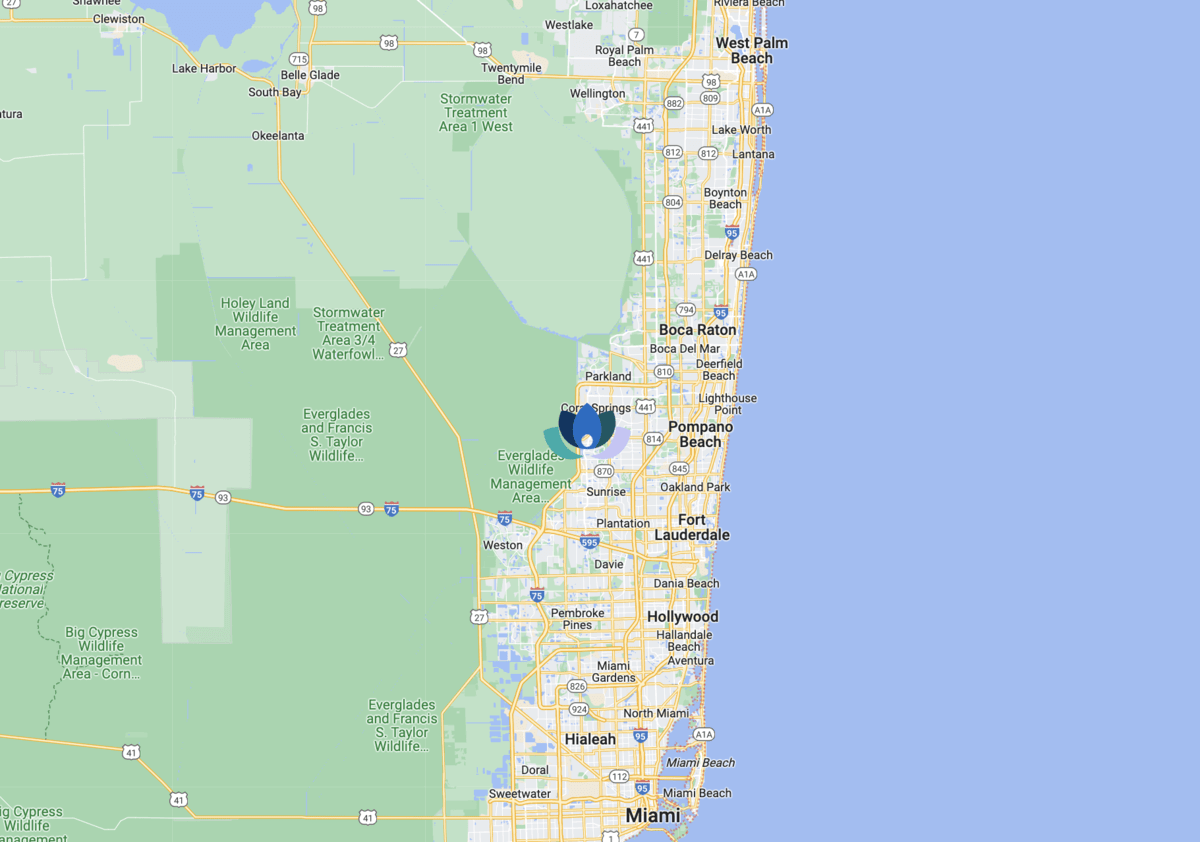
Choosing where to heal matters. You need a place that understands abandonment fears aren’t simple, that sees the full picture of who you are, and that meets you where you actually are, not just where treatment is easiest to deliver. The Sylvia Brafman Mental Health Center in Tamarac, Florida does exactly that. We’re built for complexity.

Whether you need our virtual IOP so you can stay home and work, a PHP with organized daily programming, or a PHP with FARR-certified housing included, we have it. This flexibility means you won’t be forced into a program that doesn’t fit your life. Instead, you choose the intensity and structure you need based on clinical recommendations from our confidential, complimentary assessment. As your symptoms improve and you gain stability, you can step down to lower levels of care without switching providers or starting over with someone new.

We’re committed to getting your diagnosis right, especially if you’re dealing with complex or dual diagnoses. Many people come in thinking they have one issue and discover abandonment fears are tangled up with anxiety, trauma, depression, or a personality disorder. We dig into the root causes instead of just treating surface symptoms. Our psychiatric expertise means you get proper medication management if needed, paired with therapy that addresses what’s actually driving your patterns. We’re not here to slap a Band-Aid on abandonment fears; we’re here to heal what’s underneath.

Beyond individual care, we recognize that your family and your future matter. We emphasize family involvement, bringing your loved ones into your healing so relationships actually change, not just your therapy notes. We also offer a Career Launch Program to rebuild professional stability as your mental health strengthens, because healing includes restoring all aspects of your life.  Ready to start healing? Visit The Sylvia Brafman Mental Health Center at 7710 NW 71ST CT, Tamarac, Florida, 33321. We’re here to answer your questions and help you find the right level of care for your abandonment fears. Call us today at (877) 958-9212.

map-sylvia-brafman-mental-health-center-south-florida

Levels of Care Available at Our Facility Near Fort Lauderdale

Abandonment fears don’t fit neatly into one treatment box. Some people need 24/7 support to interrupt crisis patterns, while others thrive with structured psychotherapy they can fit around work and home life. The Sylvia Brafman Mental Health Center offers multiple levels of outpatient care so you can get what you need right now, and shift levels as you heal.

Partial Hospitalization Program (PHP)

Partial Hospitalization Program (PHP)

Partial Hospitalization Programs (PHPs) are ideal if you’re struggling with moderate to severe abandonment symptoms that are disrupting your daily life. You’ll attend treatment sessions 4-6 days per week, receiving intensive therapy, skills training, and psychiatric care. At Sylvia Brafman, we offer both housing and non-housing options, so you can choose what fits your situation.

Intensive Outpatient Program (IOP)

Intensive Outpatient Program (IOP)

Intensive Outpatient Programs (IOPs) offer support while keeping your life intact. You’ll attend treatment 3-5 days per week, maintaining your work, school, or family responsibilities. Ideal if you’re dealing with significant abandonment anxiety but are stable enough to sleep at home, IOPs offer therapeutic intensity on a schedule that doesn’t completely pull you out of your life.

Aftercare Solutions

Aftercare Solutions

Healing doesn’t end when formal treatment does. We offer step-down outpatient care to help you transition gradually and build independence. We also have virtual care so you can access ongoing support from home. A solid aftercare plan is crucial for relapse prevention; we’ll work with you to create one that keeps you connected and accountable as you move forward.

Need More Support?

Need More Support?

If you’re in crisis or need residential treatment, Sylvia Brafman also operates a comprehensive residential treatment program in North Georgia for 24/7 care and a therapeutic community. Call us to learn more about whether inpatient care might be right for you.

Levels of Care Available at Our Facility Near Fort Lauderdale

Does Insurance Cover Mental Health Treatment for Abandonment Issues?

Most insurance providers do cover mental health treatment, including therapy and psychiatric care for conditions linked to abandonment fears. However, coverage depends on your plan details. Your insurance company won’t have a billing code for “abandonment issues” itself, but it will cover the diagnoses abandonment symptoms fall under, including anxiety disorders, depression, PTSD, borderline personality disorder, and attachment disorders.

Your plan typically covers some therapy sessions, psychiatric visits, and medication, though you’ll likely have a copay or coinsurance. Intensive programs like partial hospitalization or intensive outpatient programs are often covered, especially when considered medically necessary. The tricky part is prior authorization; some plans require approval before starting treatment, which can delay care. We recommend you verify your insurance benefits directly with our patient advocates at Sylvia Brafman. Don’t let insurance confusion stop you from getting help; we’re here to work through it together.

insurance-accepted
[]

Not Sure Where to Start? Let's Talk

Taking the first step is the hardest part. You don’t need to have it all figured out, because we do. We offer a free assessment where we listen to your story, understand your abandonment fears, and explore what’s driving them – no judgment, no pressure – just honest conversation about what you’re experiencing.

During your assessment, we’ll ask about your symptoms, your history, any previous treatment, and what you’ve tried that hasn’t worked. We’ll help you understand whether abandonment fears are connected to anxiety, trauma, depression, or another mental health disorder. Then we’ll talk honestly about which level of care makes sense for you right now.

You’ll leave that conversation with clarity about your choices and a concrete next step. We’re not here to push you into expensive programs you don’t need; we’re here to match you with the right treatment at the right intensity so you can heal. Reach out today to schedule your free assessment.

A young woman making a phone call for mental health treatment

Frequently Asked Questions: Overcoming Abandonment Issues

You probably have questions about abandonment fears: how they develop, whether they can change, what treatment looks like, and how to support someone you care about. We’ve heard these questions countless times, and we want to give you straight answers. Here’s what you need to know.

Can Abandonment Issues Be Fixed?

Yes. Abandonment issues aren’t a life sentence; they’re learned patterns that can change. With the right therapy, you can rewire how you respond to perceived rejection and build secure relationships. Most people see real shifts within weeks or months of consistent treatment, and ongoing therapy keeps those changes solid.

What Mental Illness Is Associated With Abandonment?

Abandonment fears show up across several diagnoses: Borderline Personality Disorder (BPD), anxiety disorders, depression, PTSD, and attachment disorders. They’re also common in people with Obsessive-Compulsive Disorder (OCD) or avoidant personality disorder. Abandonment isn’t its own diagnosis; it’s a symptom that appears in multiple conditions. That’s why getting an accurate diagnosis matters – treating the underlying condition treats the abandonment fears alongside it.

How Do I Help a Partner or Family Member With Abandonment Issues?

Be consistent, patient, and honest. Show up when you say you will, communicate clearly, and be predictable. Set healthy boundaries without rejection, encourage them to seek professional support, and avoid taking their fears personally – their abandonment anxiety isn’t about your worth; it’s about their nervous system. You may also consider joining our Family Program to understand better what they’re experiencing.

How Long Does Treatment for Abandonment Issues Take?

There’s no set timeline because it depends on how deep the patterns run, whether trauma is involved, and what other conditions are present. Some people feel noticeably better in a few weeks; others need months or longer, especially if abandonment fears are tied to complex PTSD or a personality disorder. The key is staying committed.