People-Pleasing: Signs, Causes, and Treatment Options in Florida

It’s exhausting to always put others first. Saying yes when you mean no, feeling resentful toward the people you’re trying to help, and losing sight of what you actually want. If this sounds familiar, you’re far from alone, and you don’t have to stay trapped in this cycle.

The Sylvia Brafman Mental Health Center in Tamarac, FL, just 25 minutes from Fort Lauderdale, understands how people-pleasing patterns drain your energy and harm your relationships. We’re here to help you break free, rebuild your confidence, and learn to prioritize your own needs without guilt. Contact our patient advocates today to learn how you can get started.

What Is People-Pleasing?

If you’re familiar with people-pleasing, you know that this automatic response prioritizes others’ needs and emotions over your own. You say yes when you want to say no, you apologize for things that aren’t your fault, and you shrink yourself to make room for everyone else.

This pattern often stems from anxiety, a need for approval, or fear of rejection or abandonment. It can become so ingrained that you don’t even notice you’re doing it. People-pleasing is also known as a “fawn response,” where you appease others to stay safe or avoid conflict.

Rather than a mental health diagnosis, people-pleasing is a symptom that often accompanies anxiety, depression, or past trauma. Think of it as your nervous system’s way of trying to protect you, even when that protection no longer serves you. Recognizing this pattern is the first step toward changing it.

Mental health treatment

What Are The Signs Of A People-Pleaser?

You might not realize you’re a people-pleaser until you pause and notice the patterns. These signs show up in how you relate to others, handle conflict, and talk to yourself. Recognizing them is crucial—it’s the foundation for real change. If several of these resonate with you, reaching out for support could be transformative. Your awareness is already a strength.

SignWhat It Looks Like
Difficulty saying noYou agree to requests even when you’re overwhelmed, tired, or uninterested. Saying no feels unsafe or selfish.
Chronic apologizingYou apologize constantly for things outside your control, for having opinions, for simply existing in space.
Conflict avoidanceYou’ll do almost anything to prevent disagreement, even if it means abandoning your own needs or values.
Rumination after social interactionsYou replay conversations obsessively, worried you said something wrong or offended someone.
Taking responsibility for others’ feelingsYou feel accountable for how others feel and believe it’s your job to fix their mood or problems.
Not knowing your own needsYou’re disconnected from what you actually want, need, or believe because you’ve spent so long focused on others.
Over-giving to prove worthYou give excessively – time, money, energy – to feel valuable or earn love and acceptance.
Guilt when prioritizing yourselfPutting yourself first triggers shame, as though self-care is inherently selfish.
Setting unclear boundariesYour boundaries are vague or constantly shifting based on what others need from you.
Seeking external validationYou rely on others’ approval to feel okay about yourself and your choices.

If you recognize yourself in these patterns, you don’t have to figure this out alone. The Sylvia Brafman Mental Health Center is ready to work with you. Call us today at (877) 958-9212 to speak with us about how people-pleasing shows up in your life – and how to change it.

How Is People-Pleasing Different From Genuine Kindness?

Genuine kindness comes from a full cup. You give because you want to, not because you’re afraid of what happens if you don’t. You can say no without guilt. Your generosity doesn’t leave you depleted or resentful. You’re acting from a place of choice and abundance, not obligation or anxiety. Kindness flows naturally when you meet your own needs first.

People-pleasing, on the other hand, comes from an empty cup. You give to earn approval, avoid rejection, or manage someone else’s emotions. Saying no feels dangerous. Your generosity leaves you exhausted and bitter. You’re acting from fear, not choice. The difference is simple: kindness nourishes both you and others. People-pleasing drains you while only temporarily soothing someone else’s discomfort.

The Psychological Impact of People-Pleasing

People-pleasing takes a real toll on your mental health. It’s not just about feeling tired or frustrated; chronic patterns of prioritizing others create lasting damage to your sense of self and your well-being. You might not connect the dots between your anxiety, depression, or relationship struggles and this underlying pattern. Understanding these impacts is essential to begin healing. You deserve to feel okay in your own skin.

  • Anxiety and burnout: Constantly managing others’ emotions and meeting endless demands leaves your nervous system in overdrive, leading to exhaustion that sleep alone can’t fix
  • Depression and low self-worth: When you ignore your own needs for years, you internalize the message that you don’t matter. This erodes your sense of value and purpose
  • Resentment and emotional fatigue: Giving constantly without reciprocity breeds bitterness toward the people you’re helping and depletes your emotional reserves
  • Difficulty forming authentic relationships: You attract people who take advantage of your generosity, and you struggle to build connections based on mutual respect and honesty
  • Perfectionism and self-criticism: You hold yourself to impossible standards, believing any mistake or boundary will cause rejection
  • Disconnection from your identity: You lose touch with who you are beneath the need to please, making it hard to know what you actually want or believe
  • Physical health decline: Chronic stress from people-pleasing can show up as headaches, sleep problems, digestive issues, and weakened immunity

If any of this resonates, you don’t have to carry this weight alone. Contact The Sylvia Brafman Mental Health Center to speak to a patient advocate about your experience. We’ll listen without judgment and help you understand your next steps toward feeling better.

Start Your Recovery Journey at Sylvia Brafman

At The Sylvia Brafman Mental Health Center near Fort Lauderdale, Florida, our team of dedicated professionals is ready to guide you. We offer treatments and programs uniquely designed to meet your needs. If you are searching for therapy for people pleasing near Fort Lauderdale or West Palm Beach don’t wait, reach out to us today. Either give us a call or fill up the form below to request a callback.

"*" indicates required fields

This field is for validation purposes and should be left unchanged.
Please let us know your preferred way for us to contact you.
The Sylvia Brafman Mental Health Center logo - Mental Health Providers in Florida

What Causes People-Pleasing Behaviors?

People-pleasing doesn’t develop out of nowhere. It’s usually rooted in your early experiences, past trauma, or the messages you absorbed about safety and worth. Understanding where this pattern came from isn’t about blaming anyone; it’s about self-compassion. Once you see the origin, you can start to rewire it. Your nervous system learned to do this for a reason.

Childhood Conditioning

Childhood Conditioning

The seeds of people-pleasing are often planted in childhood. If your caregivers offered love conditionally (only when you were “good,” helpful, or quiet), you learned that your worth depended on meeting their needs. Maybe your parents were critical, unpredictable, or emotionally unavailable. You had to become hyperaware of their moods to stay safe. Being helpful, agreeable, or invisible became your survival strategy.

This early conditioning is powerful because it happens when your brain is still forming. You internalized the belief that your needs don’t matter, that keeping peace is your responsibility, and that love must be earned through sacrifice. As an adult, these patterns feel automatic and normal, even though they’re exhausting you.

Trauma and Adverse Experiences

Trauma and Adverse Experiences

Trauma can hardwire people-pleasing into your nervous system. If you’ve experienced abuse, neglect, or unpredictability, your brain learned that appeasement keeps you safe. This is called the “fawn response “: when faced with a threat, you automatically try to please, pacify, or merge with the person in power.

Adverse experiences teach your nervous system that your needs are secondary to avoiding conflict or harm. Even after the threat is gone, your body still defaults to this protective pattern. Healing from trauma means teaching your nervous system that you’re safe now, and that your needs matter.

Cultural and Gender Expectations

Cultural and Gender Expectations

Societal and cultural messages shape how much you prioritize others’ needs. Many cultures emphasize family loyalty, collective harmony, and self-sacrifice as virtues. Women, in particular, are often socialized to be caregivers, peacekeepers, and accommodating, which can fuel people-pleasing patterns. These messages feel so normal that you might not even recognize them as conditioning.

When your cultural background or gender role reinforces the idea that your job is to keep others happy, breaking free from people-pleasing becomes even harder. It can feel like betraying your values or your community. Recognizing these external pressures helps you choose values that truly align with who you want to be.

Underlying Mental Health Conditions

Underlying Mental Health Conditions

People-pleasing often coexists with anxiety disorders, depression, ADHD, and other diagnoses. Anxiety might fuel the need to control outcomes by managing others’ emotions, while depression can make your own needs feel irrelevant. ADHD can make it hard to notice your own body’s signals about what you need. These conditions don’t cause people-pleasing, but they can intensify it significantly.

When you’re struggling with mental health, people-pleasing can become a coping mechanism – a way to feel some control or worth when everything else feels uncertain. Addressing the underlying condition is often essential to breaking the people-pleasing cycle.

Personality and Temperament

Personality and Temperament

Some people are naturally more sensitive, empathetic, or conscientious – traits that aren’t bad in themselves. But when combined with conditioning or trauma, these temperamental qualities can make people-pleasing more pronounced. You might be naturally attuned to others’ emotions and naturally inclined to help, which feels like your strength until it becomes a liability.

Your personality isn’t the problem. The problem is when you use these gifts to abandon yourself. Learning to balance your empathy with self-protection is key; it means becoming a person-pleaser for yourself first.

Strategies To Stop People Pleasing

People-pleasing didn’t develop overnight, and it won’t disappear overnight either. But you can start rewiring these patterns today with small, intentional shifts. The self-help strategies below are practical tools you can use right now; they’re not a replacement for therapy, but they’re a bridge to deeper healing. Each one builds awareness and creates space for change.

  • Notice your “yes” before you say it. Pause for three seconds before agreeing to anything. Ask yourself: Do I actually want to do this? Or am I saying yes to avoid conflict or earn approval? That tiny pause is where change begins.
  • Practice saying no without explaining. You don’t owe anyone a detailed reason. “No, that doesn’t work for me” is a complete sentence. The urge to over-explain comes from guilt – recognize it and resist it.
  • Identify your body’s signals. People-pleasing disconnects you from your gut. When someone asks something of you, notice: Does your chest tighten? Do you feel a flutter of anxiety? Your body knows before your mind does.
  • Set one small boundary this week. Start tiny. It might be leaving a text conversation, declining a social invite, or asking for what you need in a low-stakes situation. Small wins build confidence.
  • Stop apologizing for existing. You don’t need to apologize for having needs, taking time to think, or disagreeing. Notice how often you say “sorry” and challenge each one. Replace it with “thank you for your patience” when appropriate.
  • Name what you actually need. People-pleasers often don’t know what they want. Spend time journaling or reflecting: What do you need right now? What would make you feel valued? Start listening to that voice.
  • Limit your “fixing” of others. When someone vents, resist the urge to solve their problem or manage their emotions. You can listen and validate without taking responsibility for their feelings. Say: “That sounds really hard. What do you think you’ll do?”
  • Track the cost. For one week, notice what people-pleasing costs you: your time, energy, resentment, authenticity. Write it down. Seeing the pattern clearly motivates change.
  • Find one person you can be honest with. You don’t need to overhaul all your relationships at once. Pick someone safe and practice being slightly more authentic. Build from there.

Celebrate small acts of self-prioritization. When you say no, set a boundary, or ask for what you need, acknowledge it. You’re literally rewiring your nervous system, and that deserves recognition.

Frustrated and agitated woman covering her eyes

How People-Pleasing Behavior Is Treated at Sylvia Brafman in South Florida

At Sylvia Brafman, we understand that people-pleasing is rarely a standalone issue. It’s typically a symptom of something deeper. Our approach starts with a conversation and mental health assessment. We take time to understand your full mental health picture, not just the surface behavior. This matters because treating only the people-pleasing without addressing the root cause leaves you vulnerable to relapse.

We use trauma-focused and evidence-based modalities tailored to your specific needs. Depending on what we uncover, treatment might include Cognitive Behavioral Therapy (CBT) to challenge the thought patterns fueling people-pleasing, Dialectical Behavior Therapy (DBT) to build emotional regulation and assertiveness skills, or Eye Movement Desensitization and Reprocessing (EMDR) to process and heal from past trauma. Our therapists are skilled at diagnosing complex and dual diagnosis cases – the situations where people-pleasing intertwines with multiple conditions. We don’t apply a one-size-fits-all approach; we build a treatment plan around you.

Beyond individual therapy, we offer group therapy where you’ll connect with others who understand this struggle firsthand. Hearing their stories and sharing yours creates accountability and reduces shame. We also run our Family Program to help rebuild relationships that may have been strained by your patterns and to equip your loved ones to support your growth. When treatment ends, you won’t be starting from scratch in your relationships. Instead, you’ll have a foundation and tools to keep moving forward. At Sylvia Brafman, healing people-pleasing means healing the whole picture.

Mental Health Disorders Often Linked to People-Pleasing Behaviors

People-pleasing doesn’t exist in isolation. It often travels alongside other mental health conditions that amplify the pattern. If you recognize yourself in multiple descriptions below, that’s valuable information. It doesn’t mean you’re broken; it means you’d benefit from targeted treatment.

ADHD

ADHD

Attention-Deficit Hyperactivity Disorder (ADHD) often involves a struggle with Rejection Sensitive Dysphoria (RSD), an intense fear of being rejected or criticized. To protect yourself from that pain, you might unconsciously mask your true self and agree to whatever others want. You’re also more likely to seek approval and external validation because ADHD brains often crave dopamine and positive feedback.

Hyperawareness of others’ reactions, combined with impulsivity and difficulty regulating emotions, creates a perfect storm for people-pleasing. You might say yes to things you don’t want to do just to keep the peace or earn approval in the moment. Over time, this masking is exhausting and disconnects you from your authentic self.

Anxiety & Depression

Anxiety & Depression

Anxiety disorders fuel the need to control your environment by managing others’ emotions. If you can keep everyone happy and calm, you feel safer. Different types of depression, meanwhile, can make your own needs feel trivial or unimportant. When you’re depressed, prioritizing yourself feels selfish or pointless.

Together, anxiety and depression create a vicious cycle: people-pleasing temporarily relieves anxiety, but self-abandonment deepens depression. You end up burned out, resentful, and disconnected from your own worth. Breaking this cycle requires treating the underlying anxiety and depression alongside the people-pleasing pattern.

PTSD & Other Trauma- / Stress-Related Disorders

PTSD & Other Trauma- / Stress-Related Disorders

If you’ve experienced a traumatic event, your nervous system may be stuck in protection mode. The fawn response – automatically appeasing, accommodating, and merging with others – is a trauma survival strategy. Your body learned that keeping the peace or pleasing the person in power was the safest option.

Even after the threat is gone, your nervous system defaults back to this pattern. You might not consciously realize you’re doing it. Trauma-informed care helps your nervous system recognize that you’re safe now and that you don’t need to fawn to survive. Healing means rewiring these automatic protective responses.

mental health assessment taking place between a female therapist and a male patient

Why Choose Sylvia Brafman for People-Pleasing Support Near Fort Lauderdale?

When you’re ready to break free from people-pleasing, you deserve treatment that goes deeper than surface-level skills. Sylvia Brafman specializes in untangling the root causes (trauma, anxiety, ADHD, depression, etc.) that drive your need to please everyone else. We’re not just treating the symptom; we’re healing what’s underneath so you can reclaim your life.

We understand that people-pleasing rarely shows up alone. Most of our clients are managing multiple conditions, complex family dynamics, or unprocessed trauma. That’s exactly what we’re built for. Our multidisciplinary team excels at treating dual diagnoses and layered mental health concerns. We combine evidence-based modalities like CBT, DBT, and EMDR with holistic approaches like equine therapy, yoga, and mindfulness, so you heal in ways that feel whole.

Your recovery doesn’t end when you leave our doors. We weave your family into the healing process, so the people closest to you understand what you’re working through and can support real change. If career stress or workplace dynamics feed your people-pleasing, our Career Launch Program (led by cofounder and CEO Jamie Blaustein) helps you build professional confidence and healthy boundaries. And if you’re traveling from out of state, we offer comfortable accommodations so your only job is showing up for yourself—no logistical stress required.

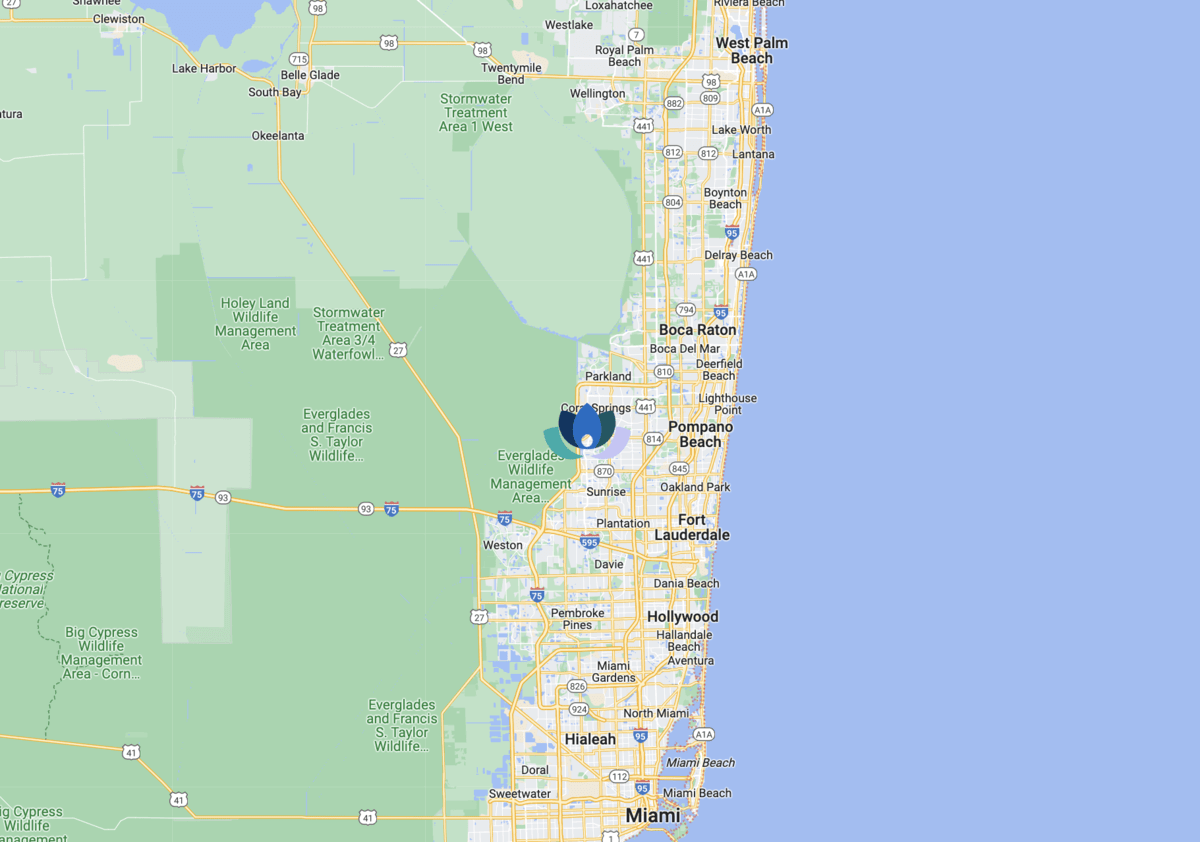
We offer treatment at every level of intensity, from virtual IOP to PHP with optional FARR-certified housing. Whether you need a few hours a week or more consistent support, you’ll find the right fit here. Located at 7710 NW 71ST Ct, Tamarac, Florida, 33321, we’re ready to help you stop performing and start living authentically. Call The Sylvia Brafman Mental Health Center at (877) 958-9212 today.

map-sylvia-brafman-mental-health-center-south-florida

Levels of Care Available At Our Facility Near Fort Lauderdale

Depending on your symptoms‘ severity, your support system, and your life circumstances, you’ll benefit from different levels of care. We offer flexible options near Fort Lauderdale so you can get the right intensity of treatment at the right time in your healing.

Partial Hospitalization Program (PHP)

Partial Hospitalization Program (PHP)

Partial hospitalization programming is ideal if you’re experiencing moderate to severe symptoms that disrupt your daily life. You’ll receive intensive therapy, psychiatric care, and skill-building during the day while returning home each evening. We offer a PHP with and without housing, so you can access the support you need.

Intensive Outpatient Program (IOP) - In-Person and Virtua

Intensive Outpatient Program (IOP) – In-Person and Virtual

An intensive outpatient program may be suitable if you’re ready for flexibility but still need substantial therapeutic support. You’ll attend sessions several times weekly while sleeping at home and maintaining work or responsibilities. Choose in-person sessions at our Fort Lauderdale facility or virtual appointments. It’s a strong treatment without daily structure.

Outpatient Program

Outpatient Program

Outpatient is your step-down option after partial hospitalization or intensive outpatient programming. Or, it can be your starting point if symptoms are mild to moderate. You’ll meet with a therapist weekly or as needed, giving you ongoing care without intensive involvement. This level keeps you connected while building independence in your regular life.

Do Florida Insurance Providers Cover Mental Health Treatment for People-Pleasing?

Yes, Florida insurance providers typically cover mental health treatment for people-pleasing when it’s connected to a diagnosable condition like anxiety, depression, or trauma. Most plans cover therapy, medication management, and more. Coverage varies by plan, so check your policy details with your insurance company or talk with our patient advocates.

Most major Florida insurers, including UnitedHealthcare, Aetna, Cigna, Florida Blue, and others, recognize mental health treatment as essential care. At Sylvia Brafman, we work with many Florida insurers and can verify your benefits before you start treatment. Our patient advocates can also discuss payment options if you’re uninsured or underinsured, so cost doesn’t become another barrier to your healing.

Having Difficulty Saying No? Start With a Free Assessment

If you’re exhausted from saying yes to everyone, you’re not alone, and you don’t have to figure this out by yourself. At Sylvia Brafman, we offer a free mental health assessment to help you understand what’s driving your people-pleasing and which level of care fits your needs. It’s confidential, compassionate, and the first real step toward change.

During your assessment, you’ll talk with one of our clinicians about your patterns, your history, and how you’re hoping to feel different. We’ll listen without judgment and help you see how people-pleasing connects to anxiety, trauma, or other underlying issues. From there, we’ll outline a clear path forward. You’ll leave knowing exactly what’s possible and how we can help you reclaim your time, energy, and sense of self. Reach out today to schedule your free assessment and take the first step toward a life where your own needs matter just as much as everyone else’s.

Frequently Asked Questions About Treating People-Pleasing Behaviors

People-pleasing can feel confusing and isolating, especially when you’re not sure if what you’re experiencing is “normal” or a sign of something deeper. These questions come up often in therapy, and we’re answering them here so you can understand your patterns better and feel less alone in what you’re going through. If your question isn’t listed here, please don’t hesitate to contact us.

Is People-Pleasing A Trauma Response?

Is People-Pleasing A Trauma Response?

Often, yes. People-pleasing can be a trauma response called the “fawn response,” where you learned to keep the peace by prioritizing others’ needs over your own. This typically develops from childhood trauma, unpredictable caregivers, or adverse experiences. However, people-pleasing also stems from anxiety, ADHD, perfectionism, or cultural conditioning, not always trauma. A therapist can help you understand your specific roots.

Is People-Pleasing A Type Of Narcissism?

Is People-Pleasing A Type Of Narcissism?

No. People-pleasing and narcissism are opposites. Narcissism involves prioritizing your own needs excessively and lacking empathy for others. People-pleasing is the reverse: you prioritize everyone else’s needs at your own expense and often feel deep empathy. While both can stem from insecurity, they show up very differently. If you’re sacrificing yourself to keep others happy, you’re people-pleasing, not narcissistic.

How Do I Stop People-Pleasing?

How Do I Stop People-Pleasing?

Start small: practice saying no without explaining yourself, pause before automatically saying yes, and notice what your body feels when you consider prioritizing yourself. Identify the root cause – is it anxiety, trauma, or fear of abandonment? – Because treatment depends on what’s driving it. Therapy, especially CBT or trauma-focused modalities, rewires these patterns at their source so change lasts.

Can Therapy Help With People-Pleasing?

Can Therapy Help With People-Pleasing?

Absolutely. Therapy is one of the most effective treatments for people-pleasing because it addresses the underlying causes: trauma, anxiety, low self-worth, or learned patterns. Modalities like CBT help you challenge automatic thoughts, while DBT teaches boundary-setting skills and emotional regulation. Trauma-focused therapy like EMDR heals the roots so you’re not constantly triggered to appease others.

Is People-Pleasing A Toxic Trait?

Is People-Pleasing A Toxic Trait?

People-pleasing isn’t toxic in itself – empathy and kindness are beautiful qualities. But when you consistently deny your own needs, set unclear boundaries, and apologize for existing, it becomes harmful to your mental health and relationships. It’s less about the trait being toxic and more about it becoming unbalanced. Therapy helps you reclaim kindness without self-abandonment.