



Aerophobia (Fear of Flying) Treatment Near Fort Lauderdale, FL

Maybe you’re picturing turbulence, or imagining worst-case scenarios that feel all too real. Perhaps you’ve missed weddings and vacations because flying feels impossible. You may white-knuckle your way through flights when you do fly, or you may avoid the experience entirely, watching opportunities slip away. You’re not alone, and you’re not overreacting; your fear is real, and it’s treatable.

At The Sylvia Brafman Mental Health Center near Fort Lauderdale, FL, we work with people just like you who want to reclaim their freedom from the fear of flying. Our multidisciplinary team offers compassionate, evidence-based care tailored to your needs. Whether you’re ready to take your first flight in years (or ever!), or simply want to feel calmer in the air, we’re here to offer solutions and support. Contact us today to learn more.


What Is Aerophobia (Fear of Flying)?

Some level of nervousness about flying is totally normal. But for some, that nervousness crosses into something more intense. More than 25 million U.S. adults experience aerophobia (also known as aviophobia), a diagnosable anxiety disorder that goes far beyond typical pre-flight jitters. This can make flying experiences extremely stressful, or it may cause you to avoid air travel altogether.

Aerophobia shows up in a few distinct ways. You might be terrified at the prospect of turbulence, replaying worst-case scenarios over and over in your mind. Or, you could have an intense fear of mechanical failure, or worry about what might happen to your health over the course of a flight. You may also be afraid of losing control or experiencing a panic attack while in the air with no escape.

These fears feel completely rational to your brain, even though statistically, flying is one of the safest forms of transportation. Your anxiety doesn’t care about statistics; it just makes you dread boarding that plane. Luckily, mental health treatment at The Sylvia Brafman Mental Health Center can help. With our patient, compassionate care, it’s possible to feel more comfortable with the experience of flying. Call our team of patient advocates today at (877) 958-9212.

What Causes Fear of Flying? Common Triggers and Root Causes

Your fear of flying didn’t develop in a vacuum. It likely stems from specific triggers, or things you’ve experienced, learned, or internalized over time. Understanding what’s driving your anxiety is the first step toward changing your relationship with flying. It’s not about willpower or being brave; it’s about recognizing the roots of your fear so you can address them head-on.

Here are some common causes and manifestations of aerophobia:

Trigger/Root CauseWhat it Looks Like
Loss of ControlYou feel powerless because you’re not piloting the plane. The captain is in charge, not you, which triggers intense anxiety.
Claustrophobia or ConfinementThe cabin feels too small, the seat too tight. You’re trapped in a metal tube with no escape route.
Past Traumatic Flight ExperienceA previous flight was turbulent, or you experienced panic while in the air. That memory now colors every flight you consider.
Media & News InfluenceYou’ve seen plane crash footage, read headlines, or binged airplane disaster documentaries that amplify your fear.
Learned Family PatternsA parent or relative was terrified of flying, and you absorbed their anxiety as your own as you grew up.
Underlying Anxiety DisordersGeneralized anxiety, panic disorder, or PTSD make you more vulnerable to specific fears like aerophobia.

The good news is that no matter what’s driving your flight anxiety, there are effective ways to work through it. If any of the above sounds familiar, it’s worth contacting Sylvia Brafman for a free mental health assessment.

Group therapy and living area in our mens residential housing

Signs It May Be Time to Seek Professional Help for Your Fear of Flying

Maybe you’ve convinced yourself that avoiding flights is fine – you don’t really need to fly anyway. But deep down, you know it’s costing you. When fear starts limiting your life, that’s your signal that professional support could make a real difference. Comprehensive anxiety or phobia treatment can help you break free from these constraints and reclaim experiences you’ve been missing.

The question isn’t whether your fear is “bad enough” to warrant treatment. It’s whether your aerophobia is keeping you from living the life you want to lead. If any of these signs resonate with you, reaching out to a mental health professional like our team at Sylvia Brafman is a smart move:

  • You’ve stopped flying entirely or haven’t flown in years. You avoid airports altogether, and the thought of getting onto a plane feels impossible.
  • You only fly when it’s absolutely unavoidable. Work trips, family emergencies, or major events force you to fly, but the experience leaves you exhausted and traumatized.
  • You experience panic attacks when thinking about flying. Your heart races, you feel dizzy, you can’t catch your breath – and it happens just imagining a flight.
  • Anticipatory anxiety consumes days or weeks before a flight. You can’t sleep, eat, or focus on anything else. The dread builds and builds before takeoff.
  • Your fear is affecting your career. You’re turning down promotions, job opportunities, or client meetings because they require air travel.
  • Your relationships are suffering. You’re missing weddings, vacations, family reunions, or quality time with loved ones because of your fear.
  • You feel isolated or ashamed. You’re hiding your aerophobia from friends or family, or you feel embarrassed because “it’s just flying.”

If you’re recognizing yourself in any of these signs, know that you don’t have to keep living this way. The Sylvia Brafman Mental Health Center offers evidence-based treatments to address aerophobia and the anxiety underlying it. Our therapists work with you at your own pace, using techniques that rewire how your brain responds to flying. You can feel calmer in the air and reclaim the experiences and opportunities your fear has taken from you. Contact Sylvia Brafman today to learn more about how we can help you get into the air and en route to your next destination.

Contact Our Team Today To Explore Options For Aerophobia Treatment

If you are seeking specialized, professional treatment for specific phobia disorder in Florida, don’t wait to reclaim your peace of mind. Call us or complete the form below to request a confidential callback and take the first step toward overcoming your aerophobia disorder.

"*" indicates required fields

This field is for validation purposes and should be left unchanged.
Please let us know your preferred way for us to contact you.
The Sylvia Brafman Mental Health Center logo - Mental Health Providers in Florida

Effective Treatment Methods for Fear of Flying

Every person’s aerophobia is different, so your treatment plan won’t look like anyone else’s. What works brilliantly for one person might not be the answer for you. Below are some of the approaches we use at The Sylvia Brafman Mental Health Center. Please note this list isn’t exhaustive, and we’ll customize everything based on what resonates with you.

Cognitive Behavioral Therapy (CBT)

Cognitive Behavioral Therapy (CBT)

Cognitive behavioral therapy tackles the thought patterns fueling your fear. You’ll identify catastrophic thoughts, such as “the plane will crash,” or “I’ll lose control,” and examine the evidence. Through this reframing, you’ll realize many of your worries aren’t based in reality, ultimately weakening their grip on you.

Dialectical Behavior Therapy (DBT)

Dialectical Behavior Therapy (DBT)

Dialectical behavior therapy gives you concrete tools to utilize the moment anxiety hits. You’ll build stress tolerance and learn emotion regulation techniques including breathing exercises, grounding strategies, and mindfulness. If turbulence or panic strikes mid-flight, you’ll have the skills to stay present and calm instead of spiraling.

Eye Movement Desensitization and Reprocessing (EMDR)

Eye Movement Desensitization and Reprocessing (EMDR)

If your aerophobia stems from past trauma like a frightening flight, a loss, or even inherited family fear, EMDR allows your brain to process that memory through bilateral stimulation. This therapy works with where trauma lives in your nervous system, allowing you to move through and integrate it rather than stay stuck.

Family Involvement

Family Involvement

Your family shapes how you experience fear. We integrate your loved ones into your healing because aerophobia often runs in families or affects those closest to you. Family therapy facilitates understanding the roots of your anxiety and builds a stronger support system for your lasting recovery.

Medication and Medical Support

Medication and Medical Support

Sometimes medication eases the physiological symptoms (rapid heartbeat, sweating, panic) so therapy can work more effectively. Our on-site psychiatrists assess whether medication makes sense for you, manage prescriptions carefully, and adjust as you progress through treatment. Medication is always more effective when used alongside therapeutic interventions.

A female therapist taking notes during a mental health assessment

Can Aerophobia Be Cured?

Yes, aerophobia is highly treatable—most people who seek evidence-based care experience meaningful improvement in their symptoms and their ability to fly. You won’t necessarily feel zero anxiety, and that’s okay. The goal is to reduce your fear to manageable levels so flying becomes possible again, not something you dread for weeks beforehand.

The timeline for improvement varies depending on how severe your aerophobia is, how long you’ve had it, and what’s driving it. Someone with a specific fear triggered by one bad flight might see progress in weeks. If your anxiety is rooted in a broader condition like panic disorder or PTSD, treatment may take longer, but it still works. 90% of people start feeling noticeably better in as little as 6-12 sessions.

The real benefit? Once you start improving, you’ll feel a sense of control returning. You’ll stop avoiding opportunities. You’ll imagine taking a trip without that crushing dread in your chest. That shift – from “I can’t fly” to “I can do this” – is what makes treatment worth it. Reach out to our team of Sylvia Brafman patient advocates to take the first step towards increased physical and mental freedom.

Can Aerophobia Be Cured?

How Sylvia Brafman Treats Fear of Flying at Our South Florida Center

At The Sylvia Brafman Mental Health Center, we offer flexible aerophobia treatment, whether you need to maintain aspects of your daily routine or want to fully immerse yourself in recovery. Our South Florida center combines evidence-based therapy with personalized support so you can reclaim your ability to fly. Our treatment approach includes several aspects that set us apart:

  • Flexible Programs: Intensive Outpatient Programs (IOP) and Partial Hospitalization Programs (PHP) with optional FARR-certified housing, so you can get the care you need while keeping your life on track, or choose to live nearby for deeper immersion.
  • Remote Access: Virtual therapy is perfect if you’re not local or prefer remote sessions.
  • 5 Lanes Approach: Expert-led care with accredited clinicians, on-site psychiatric services, and our comprehensive 5 Lanes model, attacking aerophobia from five angles: therapeutic, medical, psychiatric, spiritual, and vocational.
  • Medical & Psychiatric Support: Medication management, if applicable, to support your recovery by giving you the mental space to focus on treatment.
  • Welcoming Community: Adult-only setting in beautiful South Florida, with insurance flexibility.
  • Family & Relational Support: Family involvement and integration to address relational patterns and strengthen your support system. Our family program, led by co-founder and chief clinical officer Ben Brafman, is the “crown jewel” of our program.
  • Career Development Opportunities: Our Career Launch Program offers tools to move you forward professionally once you’re ready.

A fear of flying doesn’t have to keep you grounded forever. At The Sylvia Brafman Mental Health Center, we’re committed to meeting you where you are and moving you toward the life you want to live. Connect with us today to learn more about the admissions process for our diverse outpatient treatment programs.

Treatment Options for Aerophobia at Sylvia Brafman

Aerophobia treatment responds best when you get the right level of care at the right time. Whether you need intensive daily support or flexible weekly sessions, we have treatment plans tailored to fit into your life. Your treatment intensity depends on how severe your fear is and what you can commit to right now.

If you’re unsure which level of outpatient treatment is best for you, consider scheduling our free mental health assessment to obtain personalized insights.

Partial Hospitalization Program (PHP)

Partial Hospitalization Program (PHP)

Our partial hospitalization program is for you if aerophobia has become severe and you’re avoiding flying entirely. It’s also ideal if your anxiety is derailing your work, relationships, and daily life. You’ll attend treatment 4 to 6 days a week with access to psychiatric care, therapists, and peer support.

Housing at Sylvia Brafman is optional; if you choose it, you’ll immerse yourself fully in recovery. We also offer full residential care at our Georgia location if you determine you need that high level of support.

Intensive Outpatient Program (IOP)

The intensive outpatient program level of care works well if you’re moderately anxious but can’t step away from work or family responsibilities. You’ll attend therapy 3 to 5 days a week for a few hours at a time, giving you intensity without disrupting your routine.

You’ll sleep at home, maintain your job, and still get serious therapeutic work done. It’s ideal if you’re functioning well, but need structured treatment to get your fear under control.

Outpatient Program

Outpatient is your next step if you’ve completed a higher level of care or if your anxiety is mild-to-moderate and responds well to weekly or biweekly sessions. It’s flexible, affordable, and lets you work with a therapist while managing life normally.

Many people start here and progress as needed, or step down from IOP or PHP once they’ve made solid progress. If you’ve been enrolled in one of our outpatient treatment programs, we’ll help maintain your continuity of care through outpatient therapy.

Virtual Treatment

Virtual therapy works beautifully if you’re not local, have scheduling constraints, or prefer remote sessions. You’ll get the same quality of care from home through therapy, psychiatric consultation, and medication management. It’s especially effective if you’re already managing your anxiety reasonably well or if you’re unwilling to travel for in-person treatment.

Treatment Options for Aerophobia at Sylvia Brafman

Does Insurance Cover Mental Health Treatment for Fear of Flying in Florida?

Yes, most major insurance plans cover mental health treatment for aerophobia in Florida. Aerophobia falls under “specific phobia” in the DSM-5, which insurers recognize as a treatable mental health condition. Coverage typically includes therapy, psychiatric visits, and medication. However, specifics vary by plan: some require prior authorization, have copays, or limit sessions.

At The Sylvia Brafman Mental Health Center, we handle insurance verification for you, so you know exactly what’s covered before starting. If your plan has gaps or you’re uninsured, we can discuss flexible payment options to make treatment accessible. Our goal is to remove financial barriers so cost never stands between you and recovery.

[]

How Medication Fits Into Treatment Plans for Fear of Flying

Many people assume a prescription is the answer to flight anxiety: pop a pill before the flight, and you’re done. But medication alone doesn’t rewire the root fear. Short-term sedatives like Xanax or Ativan can mask anxiety temporarily, but once they wear off, your brain still believes flying is dangerous. You’re back where you started.

That’s why medication works best as part of a comprehensive treatment plan. When you combine a prescription with therapy, the medication takes the edge off anxiety just enough so you can engage in treatment without being overwhelmed. You and your therapist examine your catastrophic thoughts while medication steadies your nervous system. Together, they create meaningful change. You’re not sedated; you’re actually rewiring how your brain responds to flying.

The goal is always the same: get you to a place where you can fly without relying on medication. Some people need it short-term to jumpstart therapy, and that’s okay. Others benefit from longer-term support. At Sylvia Brafman, our psychiatrists work closely with your therapy team to assess what you need, adjust as you improve, and help you taper off when you’re ready. Medication is a resource in your recovery toolkit, rather than a permanent crutch.

Why Choose Sylvia Brafman for Fear of Flying Treatment Near Fort Lauderdale?

Fear of flying doesn’t fit one mold, and neither does our treatment. Whether you need virtual sessions, flexible outpatient care, or our most intensive PHP program with housing, we meet you where you are. The Sylvia Brafman Mental Health Center treats adults from every background, and we work with most insurance plans to make care accessible.

What sets us apart is clinical depth paired with real-world recovery. Our team includes board-certified psychiatrists, licensed therapists, and specialists trained in CBT, DBT, EMDR, and more. We approach treatment through 5 “lanes”: therapeutic, medical, psychiatric, spiritual, and vocational. Medication management is available when it strengthens your progress. You’re not getting one-dimensional care at Sylvia Brafman; you’re getting a coordinated team that understands aerophobia and knows how to dismantle it.

We also believe recovery doesn’t end when treatment does. Our Career Launch Program rebuilds confidence in your professional life, whether that means handling business travel or pursuing opportunities that once felt impossible. Your family matters too; we integrate family education and communication repair into your plan because healing extends to the people closest to you. Out-of-state clients are welcome; we offer comfortable accommodations to ease your transition into care.

You deserve treatment that’s thorough, compassionate, and grounded in expertise. Call us at (877) 958-9212 to start receiving it.

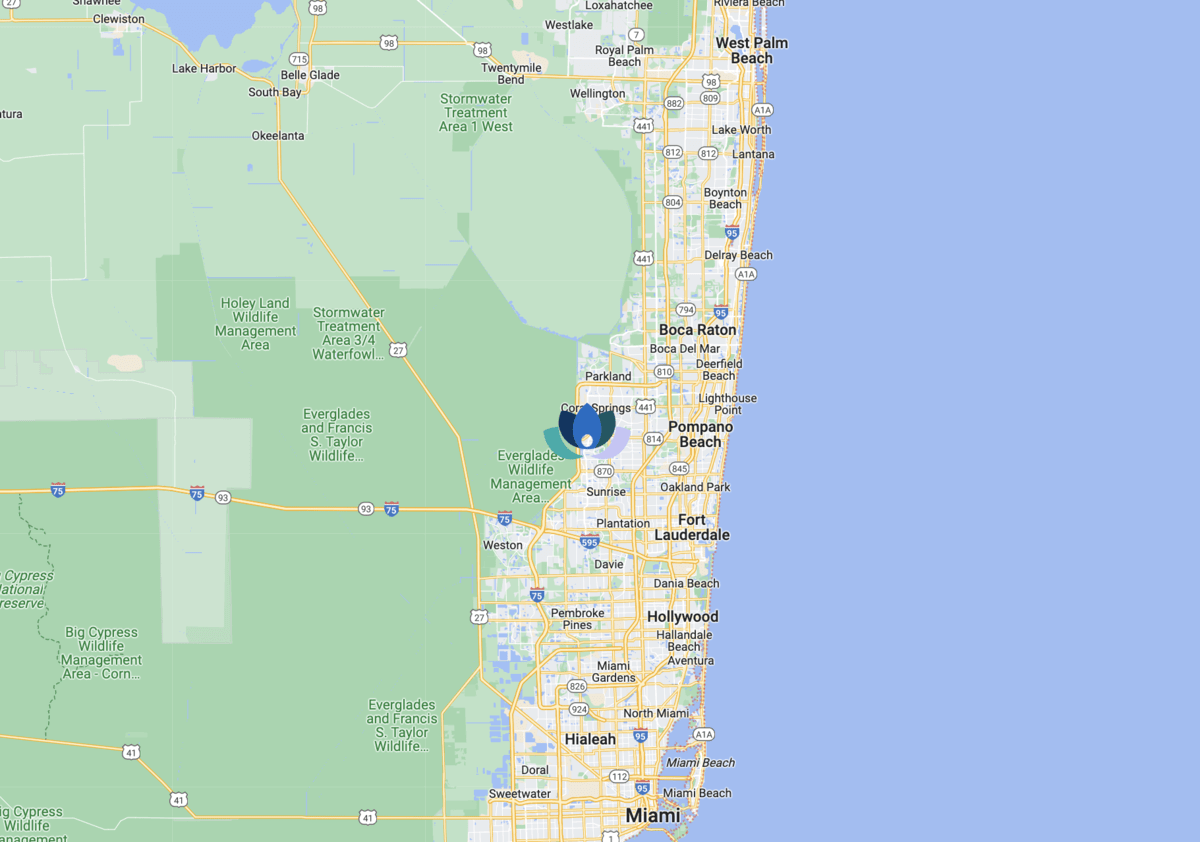
map-sylvia-brafman-mental-health-center-south-florida

Frequently Asked Questions About Fear of Flying Treatment in South Florida

Aerophobia, or the fear of flying (also known as aviophobia), raises a lot of questions, especially when it suddenly grips your mind or starts limiting your life. Here are the answers to the questions we hear most from people in South Florida considering treatment for aerophobia.

Why Am I All of a Sudden Afraid of Flying?

Why Am I All of a Sudden Afraid of Flying?

A fear of flying can emerge suddenly after a triggering event. Or, sometimes it develops gradually from media coverage of accidents or learned anxiety from family members. Stress, life changes, and underlying anxiety disorders can also activate latent fear. The trigger or root cause varies; what matters is that it’s treatable.

What Is the Best Therapy for Fear of Flying?

What Is the Best Therapy for Fear of Flying?

Cognitive Behavioral Therapy (CBT) is widely considered the gold standard for specific phobias because it directly challenges the catastrophic thoughts fueling your fear. Dialectical Behavior Therapy (DBT) strengthens your ability to tolerate anxiety in the moment. EMDR works well if you have underlying trauma. The best approach is individualized, combining methods tailored to what works for your brain.

Is Fear of Flying a Mental Illness or an Anxiety Disorder?

Is Fear of Flying a Mental Illness or an Anxiety Disorder?

A fear of flying is classified as a specific phobia, which is recognized in the DSM-5 as a type of anxiety disorder. It’s a real condition with measurable neurological patterns. Your brain has learned to perceive flying as dangerous, and that perception can be unlearned. Treatment is highly effective, and many people recover completely.

How Long Does Treatment for Fear of Flying Take?

How Long Does Treatment for Fear of Flying Take?

Treatment timelines vary based on severity, underlying trauma, and your engagement in therapy. Some see significant improvement in weeks; others need months of consistent work. Mild anxiety might respond to outpatient therapy, while more severe cases with panic attacks or deep-rooted trauma typically benefit from intensive programs. Your treatment team will give you realistic expectations based on your starting point.