Psychological Abuse Trauma Treatment & Recovery Center Near Fort Lauderdale, FL

If you’ve experienced psychological abuse, you know the lasting impact it can have on your sense of self. You might find yourself constantly second-guessing your thoughts and feelings, walking on eggshells in relationships, or struggling to trust your perceptions after your reality has been repeatedly questioned and invalidated.

At The Sylvia Brafman Mental Health Center, we understand the complex healing process required after experiencing psychological trauma. Our specialized psychological abuse trauma treatment near Fort Lauderdale focuses on helping you rebuild your confidence, establish healthy boundaries, and reconnect with your authentic self. Call us today; you deserve to feel safe, valued, and heard, and we’re here to support your journey toward healing.

Our Approach to Trauma Treatment at Sylvia Brafman

At The Sylvia Brafman Mental Health Center, we understand that healing from psychological abuse requires a comprehensive, whole-person approach. Our complex trauma program in South Florida is specifically designed to address the multifaceted impact of the manipulation and control you’ve experienced. We create custom treatment plans that integrate evidence-based therapies with unique healing modalities, such as equine therapy, art therapy, and mindfulness practices.

Our Intensive Outpatient Program (IOP) and Partial Hospitalization Program (PHP) provide the structured support you need while allowing you to maintain essential aspects of your daily life. Through evidence-based trauma therapies and group support, you’ll learn to recognize gaslighting and manipulation tactics, develop healthy coping mechanisms, and reclaim your voice. Our trauma-informed programming helps you rebuild trust in your own perceptions and experiences. Focused therapy for chronic emotional stress addresses the physical and emotional symptoms that linger after psychological abuse.

Ready to begin to walk the road to recovery? Contact The Sylvia Brafman Mental Health Center today to learn more about our trauma-informed therapy for psychological abuse near Fort Lauderdale, Florida.

Photo of a one of the rooms at SBHMC's Facility

Start Your Trauma Recovery Journey at Sylvia Brafman

Recognizing the impact of psychological abuse is the first step toward reclaiming your life. At Sylvia Brafman, we provide a safe, compassionate environment to help you process trauma and find your path to wellness. Fill out the secure form to connect with a trauma specialist who can verify your insurance and discuss your care, or call for a confidential conversation.”

"*" indicates required fields

This field is for validation purposes and should be left unchanged.
Please let us know your preferred way for us to contact you.
The Sylvia Brafman Mental Health Center logo - Mental Health Providers in Florida

Signs and Symptoms of Psychological Abuse Trauma

Psychological abuse can create lasting effects that impact every aspect of your life. You might notice changes in how you think, feel, and relate to others, even long after the abuse has ended. Recognizing these signs is an important step toward healing and recovery. Here are some common symptoms of psychological abuse:

Emotional and Mental Symptoms

  • Hypervigilance – constantly scanning for threats or danger;
  • Shutdown or freeze responses when feeling overwhelmed;
  • Fawn response – automatically trying to please others to avoid conflict;
  • Panic attacks or intense anxiety;
  • Chronic insomnia or sleep disturbances;
  • Overwhelming shame and persistent self-doubt;
  • Rumination – obsessive thinking about past events; and/or
  • Difficulty trusting your own perceptions or memories.

Physical Symptoms

  • Gastrointestinal issues like nausea or digestive problems;
  • Chronic headaches or migraines;
  • Persistent muscle tension, especially in the neck and shoulders; and/or
  • Fatigue or unexplained physical pain.

Social and Professional Impact

  • Difficulty maintaining healthy relationships;
  • Workplace performance issues due to concentration problems;
  • Social withdrawal or isolation; and/or
  • Fear of authority figures.

Important Safety Notice: If you are in immediate danger or actively in an abusive situation, please call 911 and connect with local emergency services immediately.

Causes of Psychological Abuse

Causes of Psychological Abuse

Psychological abuse can occur in any relationship where there’s an imbalance of power. You might have experienced this trauma in various settings and relationships throughout your life, each leaving its own lasting impact on your mental health and well-being. Common sources of psychological abuse include:

  • Childhood abuse from parents, caregivers, or family members;
  • Intimate partner violence involving emotional manipulation and control;
  • Narcissistic abuse from partners, family members, or authority figures;
  • Coercive control in romantic relationships or marriages;
  • Workplace bullying from supervisors or colleagues;
  • Religious or spiritual abuse within faith communities;
  • Abuse from friends or peer groups; and
  • Institutional abuse in schools, healthcare, or other organizations.

Psychological abuse often involves systematic patterns designed to undermine your confidence, isolate you from support systems, and maintain control over your thoughts and behaviors. Regardless of where you experienced this trauma, it’s important to understand that the abuse was never your fault, and healing is possible with proper support and treatment. Connect with the compassionate patient advocates at Sylvia Brafman for comprehensive support and a personalized treatment plan.

Psychological Abuse Trauma Treatment Options in Florida

You deserve compassionate care, and Sylvia Brafman offers various trauma treatment options to match your needs. If you’re unsure which program structure would be best for you, reach out to us to discuss what program may be the right fit for your recovery. Let’s explore some of the treatment options offered at psychological abuse treatment centers in Florida:

Partial Hospitalization Program (PHP)

Partial Hospitalization Program (PHP)

You may benefit from our Partial Hospitalization Program (PHP) in Florida for psychological abuse trauma if you experience moderate to severe symptoms that disrupt daily life, work, or relationships. PHPs provide intensive therapy 4-6 days weekly without 24/7 supervision. At Sylvia Brafman, we offer convenient housing for out-of-town patients needing this level of care.

Intensive Outpatient Program (IOP)

Intensive Outpatient Program (IOP)

A Florida-based Intensive Outpatient Program (IOP) provides a flexible schedule that lets you sleep at home while still receiving daily, intensive, trauma-informed therapy to address psychological abuse. IOPs are ideal if you’re balancing work, school, or family duties yet wanting focused, structured treatment 3-5 days per week to process trauma and build lasting coping skills.

Outpatient Program

Outpatient Program

Traditional outpatient care may be beneficial if your traumatic symptoms cause distress but allow you to maintain daily responsibilities. Weekly or bi‑weekly therapy sessions let you work, study, or care for family while gaining coping skills, processing emotional wounds, and building a support network on a flexible schedule. This level is well-suited if you’re seeking steady progress with minimal disruption.

Residential Treatment

Residential Treatment

While we don’t provide residential treatment at our Florida location, our renowned Georgia facility offers top-quality residential care, and we can assist you in securing a placement there. This immersive setting provides 24‑hour support, therapeutic activities, and a safe environment for deep healing. Our team can guide you through the referral process so you can start your recovery promptly.

Psychological Abuse Trauma Treatment Options in Florida

Does Insurance Cover Treatment for Psychological Abuse Trauma Treatment?

Yes, most major health insurance plans do cover psychological abuse trauma treatment. However, the exact benefits depend on factors such as your policy, the provider’s network status, and the service’s classification (residential, PHP, IOP, outpatient). Understanding the details of your plan is key to maximizing the full use of your benefits.

Be sure to understand whether you need to obtain any required prior authorizations and what you are responsible for in terms of copayments/coinsurance or deductibles. Should you need assistance navigating these steps, our knowledgeable patient advocates can help you verify your benefits, gather the necessary documentation, and submit insurance paperwork so you can focus on the important work of healing. Call Sylvia Brafman at (877) 958-9212 for a confidential, no-obligation insurance benefits verification.

[]

Trauma Recovery in IOPs/PHPs: What Treatment Can Include

Trauma recovery programs offer a comprehensive range of therapeutic approaches designed to support your healing process. Thetreatment experience will be tailored specifically to your unique needs, trauma history, and recovery goals through our individualized approach. Here are just a few examples of the types of psychological abuse therapy modalities offered near Fort Lauderdale:

Cognitive-Behavioral Therapy (CBT)

Cognitive-Behavioral Therapy (CBT)

CBT is a highly effective, evidence-based approach that helps you understand and change the thought patterns and behaviors that developed as a result of your trauma. You’ll learn to identify negative thought cycles that keep you stuck in negative patterns. Your therapist will work with you to challenge distorted beliefs and develop practical coping mechanisms.

CBT for trauma focuses on helping you regain control over your thoughts and reactions. You’ll practice grounding techniques, learn to recognize when past trauma is influencing present situations, and develop skills to redirect overwhelming emotions. This structured approach empowers you to break free from trauma’s hold and build confidence in your ability to navigate daily life.

Dialectical Behavior Therapy (DBT)

Dialectical Behavior Therapy (DBT)

DBT is particularly effective if you struggle with intense emotions and relationship difficulties. This comprehensive approach teaches you practical skills to manage overwhelming feelings that often result from psychological abuse and emotional trauma. DBT is especially helpful if you find yourself experiencing emotional extremes, struggling with self-worth, or having difficulty trusting others after abuse.

Through Dialectical Behavior Therapy (DBT), you’ll learn four core skill sets:

  • Mindfulness to stay grounded in the present moment
  • Distress tolerance to cope with crises without harmful behaviors
  • Emotion regulation to understand and manage intense feelings
  • Interpersonal effectiveness to communicate your needs and maintain healthy boundaries

These skills help you develop a stronger sense of self, reduce emotional reactivity, and build healthier relationships.

Trauma-Informed Therapy

Trauma-Informed Therapy

Trauma-informed therapy recognizes that your past psychological abuse has shaped how you view yourself, others, and the world. This approach ensures that every aspect of your treatment is designed with an understanding of trauma’s impact on your nervous system, relationships, and daily functioning. Your therapist will create a safe environment where you can explore and recover from your experiences.

This approach validates your reality and helps rebuild trust in your perceptions and memories, which is vital if you are seeking gaslighting recovery support. Trauma-informed care emphasizes your sense of safety, choice, and collaboration in treatment. You’ll have control over the pace of therapy and what you’re comfortable discussing. Your therapist will help you understand trauma responses, like hypervigilance or emotional numbing, as normal reactions to abnormal situations, reducing self-blame and shame while fostering healing and resilience.

Equine Therapy and Other Unique Modalities

Equine Therapy and Other Unique Modalities

At Sylvia Brafman, we believe healing happens through connection with yourself, others, and the world around you. Our innovative equine therapy program in South Florida offers you a powerful way to rebuild trust and emotional regulation through interactions with gentle, intuitive horses who respond authentically to your energy and emotions.

Beyond equine therapy, our unique modalities include Our 5 Lanes Approach understands that it is important to heal all aspects of the self. These distinctive approaches set Sylvia Brafman apart, offering you creative pathways to healing that traditional talk therapy alone cannot provide.

two people holding hands at a table

Which Health Insurance Providers Does Sylvia Brafman Work With?

You’ll be pleased to know that Sylvia Brafman accepts a wide range of health insurance plans, making it easier for you to access our treatment services. We currently work with major carriers, including UnitedHealthcare, Florida Blue, Aetna, Cigna, Magellan Health, Carelon, and the New York State Health Insurance Program (NYSHIP), among others.

This list isn’t exhaustive, so please connect with our patient advocates to confirm coverage for your specific plan. We understand that cost is a frequent concern, and so we strive to make coverage as straightforward and accessible as possible.

Which Health Insurance Providers Does Sylvia Brafman Work With?

Why Choose Sylvia Brafman for Psychological Abuse Trauma Treatment Near Fort Lauderdale, FL?

When you’re ready to heal from psychological abuse, you deserve specialized care that understands the complexity of your trauma. At The Sylvia Brafman Mental Health Center, we’ve dedicated ourselves to becoming the premier destination for trauma recovery near peaceful, sunny Fort Lauderdale.

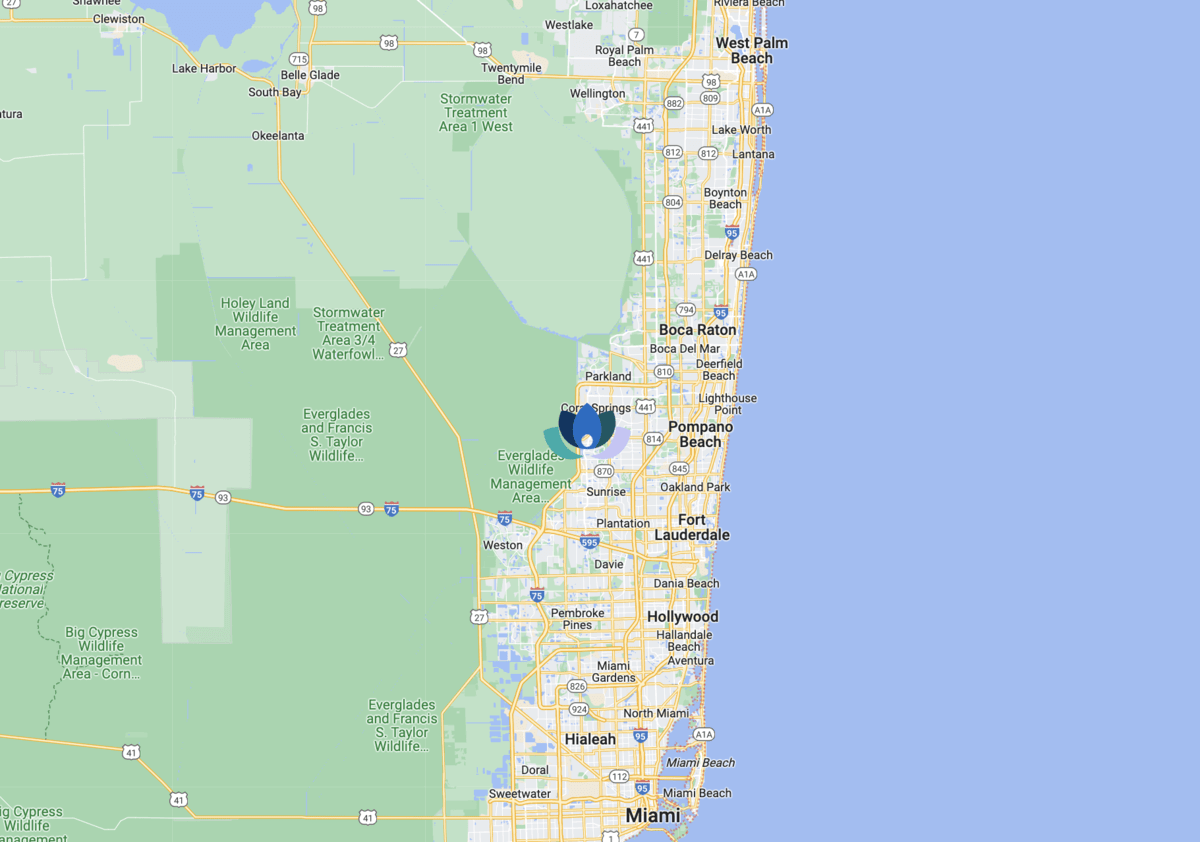
Our adult-only, accredited facility, located at 7710 NW 71ST CT, Tamarac, Florida 33321, offers expert-led treatment through our innovative 5 Lanes Approach, combining traditional therapy with unique modalities. You’ll receive comprehensive care, including on-site psychiatric services and medication management when needed, all delivered by clinicians specifically trained in trauma-informed therapy.

For patients traveling from outside the area, we offer comfortable accommodations to help you transition smoothly into our partial hospitalization programs. We also work with a wide variety of insurance plans to make psychological abuse trauma treatment in Tamarac, Florida accessible to you.

Ready to reclaim your life? Call us today to begin your path to healing.

map-sylvia-brafman-mental-health-center-south-florida

Schedule Your Free Assessment for Trauma From Psychological Abuse

Speaking with a professional after any form of abuse is a crucial step toward safety, clarity, and healing, giving you a safe space to process what happened and map out next steps. A qualified therapist can validate your experience, assess the impact of trauma using assessment tools, and guide you to resources that support recovery.

Sylvia Brafman provides a complimentary, no‑obligation assessment where you’ll discuss your history, current symptoms, and goals with a trained clinician. This evaluation helps determine the most appropriate level of care and forms the foundation of a treatment plan that is tailored to your unique needs and goals. Scheduling is easy: call us or use our convenient contact form, and you’ll take the first confident step toward personalized trauma treatment.

What Is Our Admissions Process for Psychological Abuse Trauma Treatment?

The admissions process at Sylvia Brafman varies based on your personal needs. We are proud to tailor our treatment plans to you and your unique set of circumstances. However, there are a few standard steps that you can expect to encounter as part of the admissions process for psychological abuse trauma treatment:

  1. Initial Contact: Contacting us is the first step; we are here as soon as you decide to reach out for support.
  2. Assessment and Evaluation: Our free evaluation helps us learn more about you, your history, symptoms, and personal needs/goals for treatment.
  3. Insurance Verification and Coverage: The patient advocates at Sylvia Brafman are well-versed in insurance matters and can verify your coverage and explain the details of your benefits.
  4. Treatment Plan Development: We personalize every treatment plan to ensure your healing experience is tailored to your unique situation and needs.
  5. Admissions Coordination: Our patient advocates will guide you through each step of the practical matters, such as medical records, permissions, and prior authorization, if needed.
  6. Orientation and Program Introduction: At your first session, you’ll discuss the treatment plan and program with members of our team, learn the schedule, meet participants, and tour our facility.
  7. Active Participation in Treatment: Your treatment requires you to attend therapy sessions and group workshops, and to adhere to medication (if applicable). Showing up to do the work is a key aspect of recovery.
  8. Progress Monitoring and Adjustments: We will monitor your progress, discuss changes with you, and make adjustments to your plan as necessary.

Contact the Sylvia Brafman patient advocates today to ask any remaining questions and get started today.

Frequently Asked Questions About Psychological Abuse

Can Psychological Abuse Cause PTSD or Complex PTSD Symptoms?

Yes, psychological abuse can trigger PTSD and, when the abuse is chronic or repeated, can lead to CPTSD symptoms. Emotional manipulation, intimidation, or sustained terror can produce intrusive memories, hypervigilance, avoidance, negative self‑beliefs, and difficulties regulating emotions; hallmarks of both disorders. Recognizing this link helps you seek appropriate trauma‑informed treatment.

What’s The Difference Between Trauma Therapy and General Counseling?

Trauma therapy targets the impact of specific traumatic events, using specialized approaches to reprocess and come to terms with memories, thereby reducing symptoms and addressing their root cause(s). General counseling tackles everyday stressors, relationship issues, or personal growth with broader talk therapy techniques, without the intensive trauma‑focused interventions.

Can I Continue Work/School/Family Responsibilities While Receiving Treatment?

Yes, you can usually keep working or attending school while in treatment, especially with an Intensive Outpatient Program (IOP). IOP schedules are flexible, allowing you to attend daily therapy sessions and then return to your regular responsibilities. Your treatment team will coordinate timing so you stay productive in your daily life while receiving strong support.