

Couples Therapy Near Fort Lauderdale, South Florida

The Sylvia Brafman Mental Health Center in South Florida offers couples therapy designed to enable partners to effectively work through relationship challenges, improve communication, and support overall mental wellness. We accept insurance and can help you understand your coverage levels, so you can focus on getting the support your relationship needs. If you’re looking for couples therapy near Fort Lauderdale, FL, call us today or fill out our insurance verification form to get started.

What Is Couples Therapy?

Couples therapy, commonly called relationship therapy or marriage counseling, is a specialized form of psychotherapy that offers couples a structured, supportive space to address issues within their relationship. In these sessions, a trained therapist, typically a Licensed Marriage and Family Therapist (LMFT) or psychologist, is pivotal in guiding couples toward better communication, conflict resolution, and enhanced emotional connection.

The process involves exploring many different issues, including but not limited to communication problems, conflicts, trust issues, intimacy concerns, and navigating significant life decisions. The primary goal of couples therapy is to foster healthier interaction, promote empathy and understanding between partners, and provide practical tools and strategies for building a solid, fulfilling love and partnership.

Looking for marriage counseling or a family therapist near Ft. Lauderdale, FL? Contact us today at 877-958-9212. One of our compassionate patient advocates is here to help you and your loved ones on the journey of creating healthier relationships.

Two people hold hands from across a table.

What Are the Benefits of Couples Therapy and Marriage Counseling?

Couples therapy offers a multitude of benefits that can positively transform relationships. It’s a platform for partners to explore and develop essential skills, foster emotional connection, and navigate various challenges. Here is a comprehensive introduction to some couples and marriage therapy benefits, each contributing to a partnership’s overall health and longevity.

Benefits

Benefits

  • Improved Communication: Therapy provides a safe space to enhance communication skills for couples. It teaches effective listening and expression, enabling couples to better understand and convey thoughts and feelings.
  • Conflict Resolution: Therapy equips couples with strategies to resolve conflicts constructively. It encourages open dialogue and compromises, reducing the destructive impact of disagreements on the relationship.
  • Enhanced Intimacy: Couples therapy can reignite emotional and physical intimacy and connection. Therapists guide couples in rebuilding connection, rekindling passion, and rediscovering the emotional closeness that may have faded over time.
  • Rebuilding Trust: In cases of broken trust, such as infidelity, couples therapy assists in rebuilding that trust. Therapists provide a structured framework for addressing trust issues and working toward reconciliation through infidelity counseling.
  • Validation and Understanding: Marriage counseling fosters empathy and understanding between partners. It helps them recognize and acknowledge each other’s emotions and perspectives, promoting a more supportive, validating relationship.
  • Improved Problem-Solving Skills: Couples learn problem-solving techniques that can be applied to relationship issues and challenges in other aspects of their lives, enhancing their overall coping skills.
  • Personal Growth: Couples therapy often leads to individual growth. Partners gain insights into their own behaviors and patterns, allowing for personal development and self-awareness.
  • Strengthened Commitment: Couples can reaffirm their commitment to the relationship through therapy while exploring shared goals and values, ultimately leading to a more solid foundation for the partnership.
  • Reduced Emotional Distance: Marriage counseling and therapy also address emotional distance, helping partners reconnect and bridge any emotional gaps that may have developed over time. This can lead to a deeper emotional bond.
  • Co-Parenting Support: For couples with children, therapy guides co-parenting effectively, ensuring the children’s well-being is prioritized, even amid relationship challenges. It helps parents communicate and collaborate in their parenting roles.
  • Increased Self-Awareness: Couples therapy encourages individuals to reflect on their own thoughts, feelings, and behaviors. This increased self-awareness can promote personal growth and a better comprehension of how one’s actions impact the partnership.
  • Emotional Regulation: Marriage counseling provides tools and techniques to help couples manage and regulate their emotions, reducing outbursts and conflicts. Partners learn to respond more calmly and empathetically to each other’s needs.
  • Healthy Boundaries: Couples therapy helps establish and maintain healthy boundaries in the relationship. Setting clear boundaries can reduce misunderstandings, promote respect, and create a more balanced partnership.
  • Enhanced Problem Recognition: Therapy assists couples in identifying and addressing underlying issues that contribute to relationship challenges. By addressing the root causes of problems, couples can work towards long-term solutions.
  • Shared Responsibility: Couples learn to share responsibility for the relationship’s well-being. They understand the partnership’s success is a joint effort, encouraging teamwork and mutual accountability.
  • Reduced Reliance on Destructive Coping Mechanisms: Some individuals may turn to unhealthy coping mechanisms, like substance abuse, when facing relationship challenges. Therapy provides healthier alternatives, reducing the reliance on harmful behaviors.
  • Life Transitions and Support: Couples therapy can be particularly valuable during significant life transitions, such as marriage, the birth of a child, or retirement. It offers guidance and support as couples navigate these pivotal moments.
  • Cultural and Diversity Awareness: Couples therapists often address cultural and diversity issues within relationships. This can enhance partners’ understanding of each other’s cultural backgrounds and beliefs, fostering respect and inclusivity.
  • Long-Term Relationship Satisfaction: Couples therapy aims to increase long-term relationship satisfaction. By addressing challenges, fostering growth, and enhancing communication, couples can achieve a happier, more fulfilling partnership.

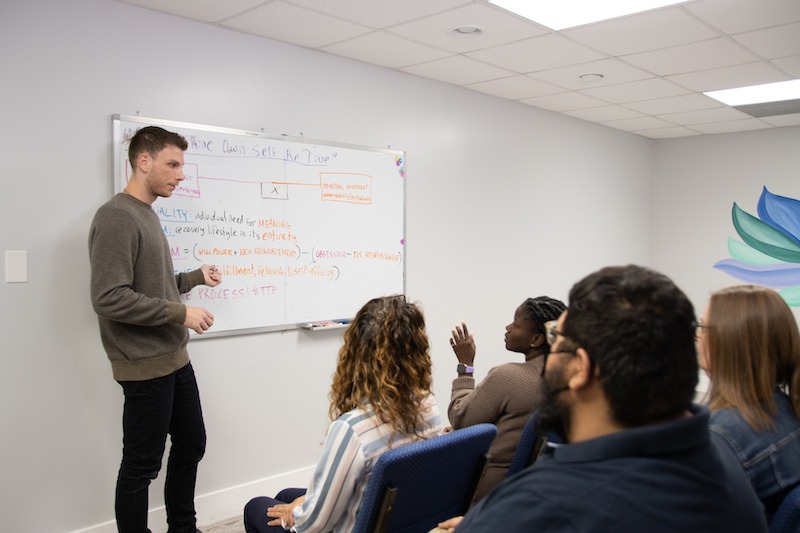
Facility therapy class in session at Sylvia Brafman.

Is Couples Therapy Covered by Insurance?

As per the Affordable Care Act, the Mental Health Parity and Addiction Equity Act, and other federal regulations, insurers are mandated to offer fair and unbiased coverage for psychological disorders. This implies that they must treat mental health disorders on par with physical health issues, refraining from exclusion or imposing higher co-pays on mental health services.

However, these equity laws typically don’t extend to couples counseling. This distinction arises from the fact that mental health parity laws primarily address mental health disorders as medical diagnoses. Couples and marriage counseling, centered around relationship dynamics and not classified as a medical diagnosis, doesn’t align with this framework. There are exceptions, of course, and we can help you navigate those. Contact us for more information on marriage counseling near Fort Lauderdale or schedule your free mental assessment today.

Insurance Providers That Cover Couples Therapy

While many insurance providers, like Blue Cross Blue Shield, Cigna, and UnitedHealthcare, offer insurance coverage for mental health services, including individual therapy, the extent to which they cover couples therapy may vary. Some may offer partial coverage for couples therapy in Florida if deemed medically necessary, while others may not.

When exploring insurance providers that cover couples therapy in South Florida, consider looking for companies offering more comprehensive mental health coverage. Carefully review your insurance policy documents to understand the details of your coverage, including any prerequisites, limitations, or exclusions. If couples therapy is a priority for you and your partner, it may be worthwhile to seek out insurance plans that explicitly mention coverage for this type of counseling or consider other options such as out-of-pocket payments or sliding-scale fees offered by therapists.

You can also call 877-958-9212 for further assistance verifying your insurance coverage details and other questions regarding relationship counseling near Fort Lauderdale.

insurance-accepted

Common Problems Couples Therapy Could Help With

Couples therapy is valuable for addressing a wide range of relationship challenges and fostering healthier, more fulfilling partnerships. Here, we’ll explore some common problems that couples therapy can effectively help with, offering support and guidance to couples facing these issues:

Common Relationship Conflicts

Common Relationship Conflicts

  • Communication Issues: Effective communication is the foundation of a strong relationship. Couples therapy can improve listening skills, help you better express thoughts and emotions, and ensure both partners feel heard and understood.
  • Conflict Resolution Issues: Disagreements are natural, but therapy can equip partners with techniques for constructive, respectful conflict resolution, minimizing the harmful impact of disputes.
  • Infidelity: Dealing with infidelity is often a complex, emotionally charged process. Some partners even experience Post Infidelity Stress Disorder requiring specific treatment. Infidelity counseling provides a structured environment for addressing trust issues, rebuilding trust, and working toward healing.
  • Intimacy Challenges: Couples therapy helps reignite emotional and physical intimacy and connection, fostering closeness and passion between partners.
  • Financial Disagreements: Money matters can be a significant source of conflict. Therapy can guide couples in managing financial disagreements, budgeting, and aligning financial goals.
  • Parenting and Co-Parenting Conflicts: Couples therapy can provide strategies for effective co-parenting, ensuring that children’s well-being is prioritized despite relationship challenges.
  • Family Dynamics and In-Law Issues: Therapy addresses the impact of family dynamics and in-law relationships on the partnership, helping couples establish healthy boundaries.
  • Major Life Transitions: Couples often face significant life changes, such as a major move, childbirth, divorce, or retirement. Therapy offers guidance and support during these transitions, ensuring that partners adapt and grow together.
  • Stress and Psychological Well-Being: Stress and mental health issues can affect relationships. Couples therapy assists in managing these challenges and improving emotional well-being.
  • Sexual Issues: Couples therapy can address sexual concerns, such as differences in desire or performance, to promote a satisfying sexual connection.
  • Substance Abuse: Couples therapy can address the impact of substance abuse on a relationship. It offers support for both the individual struggling with behavioral disorders and their partner, helping them navigate recovery and rebuild trust.
  • Trust Issues: Trust can be eroded due to various factors, not just infidelity. Couples therapy provides a space to explore trust issues stemming from breaches of confidence, betrayal, or deception and work towards rebuilding trust.
  • Jealousy and Insecurity: Feelings of jealousy and insecurity can strain a relationship. Therapy helps couples understand the root causes of these emotions and develop strategies to manage and mitigate them.
  • Lack of Boundaries: Establishing and respecting boundaries is crucial to healthy relationships. Couples therapy guides partners in defining and maintaining healthy boundaries and reducing misunderstandings and conflicts.
  • Cultural and Religious Differences: Relationships with partners from different cultural or religious backgrounds may face unique challenges. Couples therapy helps address these differences, promoting mutual respect and understanding.
  • Loss and Grief: Coping with loss, such as the death of a loved one or a miscarriage, can be incredibly challenging for a couple. Therapy provides support during the grieving process and helps partners navigate their grief together.
  • Unequal Division of Labor: Issues related to the division of household and family responsibilities can lead to resentment. Couples therapy can help couples develop fair and balanced ways to share responsibilities.
  • Lack of Emotional Connection: Sometimes, couples experience a lack of emotional connection or feel disconnected from each other. Therapy can help couples reestablish emotional bonds and strengthen their relationship.
  • Overcoming Past Trauma: For individuals who have experienced past trauma, these issues can affect their current relationship. Couples therapy offers a space to address and overcome the impact of trauma on the partnership.

If you and your partner are struggling with relationship challenges, call our mental health hotline for immediate assistance.

Male psychologist taking notes during a therapy session.

Different Modalities Used in Couples Therapy Treatment

Couples therapy encompasses diverse therapeutic approaches tailored to address various relationship or marriage problems. Couples therapy can be highly individualized, with therapists selecting techniques and strategies based on your and your partner’s specific needs. The following list represents some common therapeutic methods used in couples therapy but is by no means exhaustive.

Emotionally Focused Therapy (EFT)

Emotionally Focused Therapy (EFT)

Emotionally Focused Therapy (EFT) is a practical approach within the field of couples therapy. Developed by Dr. Sue Johnson and Dr. Les Greenberg in the 1980s, EFT focuses on the emotional bond between partners as the key driver of a healthy, secure relationship, based on the understanding that many conflicts stem from unmet emotional needs and lack of emotional connection.

EFT aims to help you and your partner recognize and address emotional dynamics, ultimately fostering a more secure attachment. A therapist guides couples through a three-stage structured process. The first stage involves identifying the negative patterns of interaction and communication causing distress in the relationship. In the second stage, you and your partner will work to reframe and reshape these patterns by expressing emotions and needs more effectively. The final stage consolidates the changes and builds a stronger emotional connection.

EFT is known for its high success rate in helping couples improve communication, resolve conflicts, and reestablish emotional intimacy and connection. This couples therapy approach is a valuable, widely used method in relationship counseling.

Cognitive Behavioral Therapy (CBT)

Cognitive Behavioral Therapy (CBT)

Couples Cognitive Behavioral Therapy (CBT) adapts traditional CBT techniques for individuals to the context of couples therapy. CBT is based on the idea that thoughts, feelings, and behaviors are interconnected, and it aims to help couples identify and modify unproductive thought patterns and behaviors contributing to relationship challenges.

CBT for couples focuses on improving communication and conflict resolution skills while addressing negative thought processes and emotional responses that may be contributing to relationship difficulties. By addressing these thoughts and their impact on emotions and actions, couples can develop more adaptive ways of thinking and behaving. Couples learn practical strategies for problem-solving and managing conflicts, helping them work together more effectively to achieve their relationship goals. Couples CBT can be particularly beneficial for those facing communication problems, conflict resolution, and other behavioral challenges within their relationship.

The Gottman Method

The Gottman Method

The Gottman Method couples therapy, developed by Drs. John and Julie Gottman, is a well-established approach based on extensive research in successful relationships. This method improves communication, emotional connection, and conflict-resolution skills within a partnership. It involves thoroughly assessing the relationship, with the therapist guiding you and your partner to identify negative interaction patterns.

Through structured interventions, you’ll learn to replace these patterns with healthier communication styles by fostering empathy and emotional intimacy and using the tools necessary for building a stronger, more resilient relationship. The Gottman Method effectively addresses various relationship issues and supports lasting positive changes.

Integrative Behavioral Couple Therapy (IBCT)

Integrative Behavioral Couple Therapy (IBCT)

Integrative Behavioral Couple Therapy (IBCT) is an empirically supported approach that seeks to achieve positive outcomes for couples in therapy through the dual goals of acceptance and change. It employs a range of therapeutic techniques within a consistent behavioral framework, focusing on case formulation, emphasizing emotional acceptance as a catalyst for tangible change, and employing evocative rather than prescriptive interventions.

IBCT is particularly attentive to the emotional foundations of couples’ issues. Therapists conceptualize problems from an IBCT perspective and employ various couples therapy techniques to foster greater emotional acceptance while facilitating concrete changes in the relationship.

Mindfulness-Based Couples Therapy

Mindfulness-Based Couples Therapy

Mindfulness-based couples therapy integrates principles of mindfulness into couples counseling, which involves being fully present and non-judgmentally aware of one’s thoughts, feelings, and experiences in the present moment. Mindfulness-based couples or marriage therapy helps you and your partner become more attuned to yourselves and each other, fostering a deeper understanding of the relationship dynamics and emotional responses.

This therapy focuses on teaching mindfulness techniques for stress management, effective communication, and conflict resolution with greater compassion and empathy. Mindfulness-based couples therapy often incorporates meditation, breathing exercises, and other mindfulness practices into the counseling process. By cultivating mindfulness, couples can reduce reactivity, improve emotional regulation, and enhance their ability to connect more profoundly.

Family Systems Therapy

Family Systems Therapy

When adapted for couples, family systems therapy is a therapeutic approach that views couples as interconnected parts of a larger system and considers the impact of each partner’s family of origin on the relationship. The core principle is that issues in your relationship are often influenced by dynamics and patterns rooted in your respective family backgrounds.

Family therapy for couples explores these patterns and how they manifest in the current relationship. Therapists using this approach help couples examine family-of-origin experiences and how these experiences may influence behavior, communication, and conflicts within the relationship. By understanding and addressing these dynamics, you and your partner can improve your ability to relate to one another, identify and modify unhelpful patterns, and build a healthier, more functional partnership.

Attachment-Based Therapy

Attachment-Based Therapy

Attachment-based couples therapy is an approach that emphasizes each partner’s attachment style and the dynamics within a relationship. It’s rooted in attachment theory, which suggests that early attachment experiences with caregivers can influence our patterns of relating and attachment in adulthood. In couples therapy, this approach explores how these attachment styles may affect the dynamics and interactions between partners.

Therapists using this method help couples identify their attachment styles and understand how these styles may contribute to relationship challenges. They work to create a secure emotional bond between partners by fostering a safe environment for emotional expression and connection. The therapy aims to improve communication, trust, and emotional intimacy by addressing the underlying attachment issues contributing to conflicts or disconnection. Attachment-based couples therapy is especially valuable for couples dealing with issues related to trust, anxious attachment, emotional distance, or unresolved childhood attachment traumas.

Woman sits on the ground with hand to her chest.

How Much Does Couples Therapy Cost?

Couples therapy costs can vary based on location, therapist expertise, and more, with session costs averaging from $100 to $250. Typically, health insurance doesn’t cover couples therapy unless one partner has a specific mental health diagnosis that qualifies for coverage. Many therapists offer sliding-scale fees or referrals for affordable couples counseling to accommodate varying budgets.

Many couples find the investment in therapy worthwhile, given the potential benefits it offers for improving the quality of their relationship and overall well-being. Keep in mind that while the cost of therapy is a factor to consider, it’s equally important to choose a qualified, experienced therapist who is the right fit for you and your partner, as the quality of the therapeutic relationship is a crucial determinant of successful outcomes in all types of therapy.

Looking for marriage and couples counseling near Fort Lauderdale? Call 877-958-9212 to speak with one of our helpful patient advocates regarding couples therapy costs.

Couples Therapy Program Admissions Process

The admissions process for a couples therapy program typically involves several steps to match you and your partner with the right therapist and therapeutic method, set goals, and ultimately guide you in addressing relationship issues. This process ensures the most suitable, effective therapeutic support. While the process may vary from program to program, below is a general outline of what to expect:

Admissions Process

Admission Process

  • Initial Consultation: The process usually begins with an initial consultation or assessment, during which information is gathered about the couple’s issues, goals, and expectations. This helps in determining the most suitable therapy approach.
  • Therapist Matching: Based on the couple’s needs and preferences, they’ll be matched with a qualified therapist specializing in relevant therapy methods.
  • Intake Forms and History: Couples may be required to complete intake forms, providing details about their relationship history, personal backgrounds, and any previous therapy experiences.
  • Assessment and Goal Setting: An assessment session will be conducted to understand the specific issues and dynamics within the relationship. Together, you’ll colloborate to set therapeutic goals for the program.
  • Admission into the Program: You and your partner are ready to begin attending scheduled couples therapy sessions.

Couples Therapy Program Process and Schedule

Couples Therapy Program Process and Schedule

Once you’ve initiated a couples therapy program, it typically follows a structured yet flexible process and schedule to adapt to each couple’s unique journey toward a healthier, more satisfying partnership. This includes ongoing sessions that incorporate various therapy methods. In addition to regular therapy sessions, the couples therapy program process and schedule typically involves the following:

  • Progress Monitoring: The therapist and the couple monitor the progress throughout the program. Adjustments to the therapy approach may be made to ensure that the couple is on track to meet their goals.
  • Homework and Practice: Couples therapy exercises are often assigned to complete between sessions. These tasks help reinforce the skills and strategies learned in therapy and promote real-world application.
  • Feedback and Communication: Communication between the couple and the therapist is vital. The therapist offers input and guidance while the couple can express their concerns and experiences.
  • Program Duration: A couples therapy program duration can vary based on the couple’s goals and the complexity of the issues. Some programs are short-term, spanning several weeks, while others may continue for several months.
  • Completion and Ongoing Support: The program concludes when the couple has made substantial progress toward their goals. However, couples may receive guidance on maintaining the positive changes achieved and may opt for periodic follow-up sessions.

Some Statistics and Information About Couples Therapy

  • One study found satisfaction with online therapy for couples during the pandemic, and 74% of couples’ therapists reported continuing to offer this method post-pandemic.
  • A recent study of couples who’d been married for over 30 years, with an average age of 60, revealed that pre-emptive or pre-marital counseling (i.e., seeking therapy before any issues arise) improved their marital functioning and satisfaction. Additionally, the study found that even the couples’ sex lives improved as a result of this proactive approach.
  • In a study of 1000 couples, 49% reported attending couples counseling with their spouse.
  • John Gottman, a relationship/marriage expert, reports that couples wait an average of six years after relationship problems start to see a counselor.
  • As suggested by a number of psychologists, couples therapy failure can be signaled by behaviors such as name-calling, a lack of trust, and an unwillingness to confront issues or embrace change.
  • The Journal of Marital and Family Therapy published a report stating that 70% of couples who receive marriage counseling are positively impacted.
  • 66% of women believe their partner would be open to couples therapy, compared to 79% of men.
  • Couples in abusive relationships (whether physical or emotional) shouldn’t expect improvement in couples therapy until the abusive behavior stops.
  • Only 19% of couples seek couples therapy, and 37% of divorced couples work with a professional before signing divorce papers.
  • According to recent statistics, 71.4% of couples therapists are women, while 28.6% are men.