


Group Therapy Programs for Mental Health in Tamarac, Florida

The Sylvia Brafman Mental Health Center, located in South Florida, is a renowned institution dedicated to helping individuals like you cope with the challenges posed by various mental health disorders. With a range of group therapy programs available, we provide vital support and assistance when you need it. Our commitment to improving mental health and personal wellness has earned us a strong reputation in the field.

We pride ourselves on accessibility at The Sylvia Brafman Mental Health Center and understand that the financial aspect of seeking personalized mental health treatment can be a concern. To alleviate this burden, we accept insurance, making quality mental health group therapy sessions more attainable. If you’re unsure about your insurance coverage levels, our patient advocates can help. Call 877-958-9212 or fill out our online insurance verification form. Your path to better mental health is closer than you think.
Why Our Group Therapy Is Essential for Improving Mental Health

At The Sylvia Brafman Mental Health Center, group therapy is not an add-on; it is a core part of how we help build stability, insight, and real-life coping skills. Our clinician-led groups combine evidence-based techniques with meaningful peer support, so you do not just talk about change, you practice it in a safe, structured setting.

What makes our groups different (and effective):

  • Integrated across treatment planning: Groups are woven into each patient’s care plan to reinforce progress, strengthen resilience, and support growth.
  • Clinician-led skill building: CBT- and DBT-informed strategies for emotional regulation, anxiety management, communication, and boundaries.
  • Real-world application: Guided discussions, role-plays, and problem-solving help turn insight into practical tools you can use immediately in your daily life.
  • Supportive peer connection: A judgment-free environment that reduces isolation, builds confidence, and helps you feel understood.
  • Personalized focus: Clear session goals and take-home strategies aligned with your symptoms, strengths, and treatment objectives.

The result: stronger coping skills, healthier relationships, improved self-awareness, and steadier emotional balance you can actually feel. That is why our group therapy is a reliable driver of lasting mental health progress for those seeking support in South Florida.

Questions About Care? Our Patient Advocates Can Help.

At The Sylvia Brafman Mental Health Center in Fort Lauderdale, Florida, our dedicated patient advocates are ready to offer guidance. We offer group therapy sessions and a variety of treatment programs, each uniquely designed to meet your needs. If you need support, don’t hesitate; reach out to us today. Call us or fill out the contact form to request a callback.

SBMHC Logo Transparent

"*" indicates required fields

This field is for validation purposes and should be left unchanged.
Please let us know your preferred way for us to contact you.

Group Therapy at Our Treatment Center in South Florida

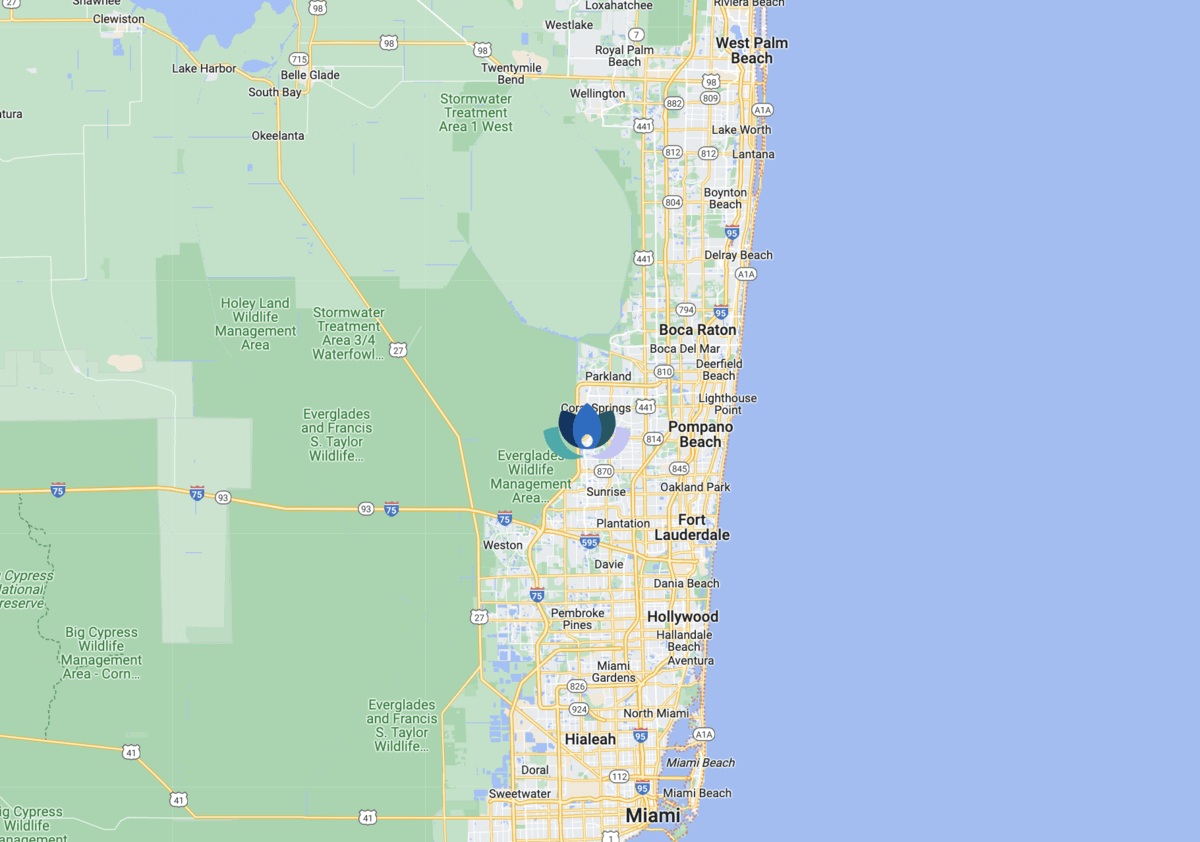
The Sylvia Brafman Mental Health Center in the Sunshine State of Florida has gained recognition and accreditation for its commitment to evidence-based mental health programs. We provide comfortable lodging options to facilitate a seamless transition into our therapy programs for those coming from out of state. You can call 877-958-9212, connect with our hotline, or visit us in person:

  • The Sylvia Brafman Mental Health Center, 7710 NW 71ST CT, Tamarac, Florida, 33321
map-sylvia-brafman-mental-health-center-south-florida

What Are the Benefits of Mental Health Group Therapy?

There are many benefits of group therapy for mental health, from emotional support and skill development to cost-effectiveness and empowerment. These benefits collectively contribute to the validity of this therapeutic approach, making it a valuable resource if you’re seeking to improve your mental well-being.

Let’s discover a few of the mental health group therapy benefits to explore if you’re considering this treatment format:

Benefits of Group Therapy

  • Support and Validation: Mental health group therapy provides a unique environment where you can share experiences and challenges, receiving support and validation from peers who can relate to your struggles. This sense of understanding can be incredibly comforting and empowering.
  • Peer Understanding: Participants in mental health group therapy often find comfort in knowing they’re not alone. Hearing others share similar experiences can reduce isolation and foster a sense of belonging.
  • Social Interaction: Group therapy sessions for mental health encourage social interaction, helping individuals improve their interpersonal skills and combat social isolation, often associated with mental and behavioral disorders.
  • Diverse Perspectives: The group setting brings together individuals from various backgrounds, offering diverse perspectives and solutions to common issues. This diversity can enhance problem-solving and coping strategies.
  • Skill Building: Mental health group therapy sessions may focus on developing specific coping skills, communication techniques, or stress management strategies. Participants can learn and practice these skills in a supportive setting.
  • Normalization: Sharing experiences in a group setting can normalize one’s struggles and emotions, reducing self-stigma. Recognizing that others face similar challenges can boost self-acceptance.
  • Feedback and Accountability: Group therapy members provide constructive feedback and hold each other accountable for their goals and commitments. This accountability can enhance motivation and personal growth.
  • Cost-Effective: Group therapy is often more affordable than individual therapy, making mental health treatment more accessible to many.
  • Shared Resources: Participants can share resources, information, and recommendations for mental health services, self-help tools, and community support networks.
  • Real-Life Application: Group therapy sessions for mental health offer the opportunity to practice newly acquired skills and strategies in real-life situations. This practical experience can be instrumental in managing mental health challenges outside of therapy sessions.
  • Reduced Feelings of Shame: Sharing one’s experiences and challenges in a group setting can reduce feelings of shame or self-blame. The understanding and empathy of fellow group members can promote self-acceptance.
  • Increased Motivation: Seeing the progress and successes of others in the group can be motivating and inspiring, encouraging participants to actively engage in their own treatment and personal growth.
  • Enhanced Communication Skills: Group therapy provides a platform to improve communication and interpersonal skills, which can benefit relationships outside the therapy setting.
  • Emotional Regulation: Learning from others and practicing emotional regulation techniques can be invaluable for managing intense emotions and stress in everyday life.
  • Long-Term Support Network: Group members often form lasting connections, creating a support network that extends beyond the therapy sessions. These connections can be instrumental in maintaining mental well-being.
  • Empowerment: Group therapy empowers individuals to take an active role in their mental health journey, giving them a sense of control and responsibility over their well-being.
  • Improved Self-Expression: Expressing thoughts and emotions in a group setting can improve the ability to articulate feelings, needs, and concerns in various situations.
  • Holistic Perspective: Through shared experiences and insights, participants gain a more holistic perspective on mental health challenges, which can lead to a deeper understanding of their condition.
  • Coping Skill Variety: In a group setting, individuals can learn about and try various coping strategies, allowing them to discover what works best for their unique needs and preferences.

Common Mental Health Disorders Treated Through Our Group Therapy

Group therapy is valuable for addressing a broad range of mental health disorders, offering a supportive environment to share experiences and learn from peers. These group settings can provide a sense of community and shared understanding, which aids recovery. While this is not an exhaustive list, some common mental health disorders treated effectively through group therapy include the following:

Depression

Depression

Group therapy for depression offers a nurturing setting where you meet and support others dealing with similar difficulties. You’ll exchange experiences and coping mechanisms, as well as offer one another emotional support. These sessions focus on developing healthy thought patterns, enhancing emotional regulation, and building connections within a community of non-judgmental, understanding peers.

Anxiety Disorders

Anxiety Disorders

Group therapy for anxiety disorders is a focused treatment approach to address excessive worry, fear, and physical symptoms, often disrupting daily life. In group therapy, you’ll share your experiences and learn effective coping skills. Techniques include cognitive behavioral tools, relaxation exercises, and skills development. This approach fosters a sense of community, helping each of you challenge fears and work towards improved well-being.

Post-Traumatic Stress Disorder (PTSD)

Post-Traumatic Stress Disorder (PTSD)

Group therapy for Post-Traumatic Stress Disorder (PTSD) works to address symptoms like intrusive memories, nightmares, and severe anxiety. A group therapy setting provides a supportive environment to share and recover from trauma-related experiences. By processing traumatic memories within the group, you can reduce isolation and anxiety, ultimately empowering each of you to regain control over your life.

Bipolar Disorder

Bipolar Disorder

Group therapy for bipolar disorder is a targeted treatment for extreme mood swings. In group therapy, you’ll openly discuss your experiences and learn coping skills to manage mood swings. Group therapy often includes psychoeducation to help you understand the nature of your condition and recognize early warning signs of mood shifts. You’ll also develop practical skills for mood regulation and crisis management. This approach fosters community, enabling you to work towards mood stability and improved well-being.

Obsessive-Compulsive Disorder

Obsessive-Compulsive Disorder

Group therapy for OCD addresses the distressing thoughts (obsessions) and repetitive behaviors or rituals (compulsions) that can consume a significant amount of time and cause immense psychological distress. The group setting offers a structured and supportive environment to explore and manage OCD symptoms, providing a platform for mutual understanding and support. You can share experiences, discuss the nature of obsessions and compulsions, and learn helpful coping mechanisms.

Borderline Personality Disorder

Borderline Personality Disorder

Group therapy for Borderline Personality Disorder (BPD) provides a structured, supportive environment where you can explore your emotional challenges and gain valuable insights into BPD. You’ll share personal experiences, discuss complex emotions, and learn coping skills, fostering a sense of community and mutual understanding while working towards emotional stability and healthier relationships. The group therapy sessions will often incorporate Dialectical Behavior Therapy (DBT) techniques.

Attention-Deficit/Hyperactivity Disorder (ADHD)

Attention-Deficit/Hyperactivity Disorder (ADHD)

Group therapy for ADHD offers a supportive environment to openly discuss challenges and learn practical strategies to manage symptoms. In these sessions, you can share experiences, explore how your condition affects daily life, and learn techniques to enhance attention, organization, and impulse control. This setting provides a sense of community and shared understanding, where you can work with others to develop strategies that improve your overall functioning.

Panic Disorder

Panic Disorder

Group therapy for panic disorder is designed to offer support and management tools as you look to navigate recurrent and unexpected panic attacks. It offers a structured, empathetic environment where you feel safe to address panic attacks, triggers, and anxieties while acquiring effective coping skills. This setting fosters a sense of community, reducing the isolation linked to panic disorder.

Woman sits on the ground with hand to her chest.

Mental Health Therapy Modalities Carried Out in Group Settings

Group therapy offers a diverse range of treatment options, a few of which are highlighted here. Each type addresses specific mental health concerns, provides emotional support, and enhances personal growth and well-being. Group sessions are a practical, versatile approach to address a range of mental health issues.

Cognitive Behavioral Therapy (CBT)

Cognitive Behavioral Therapy (CBT)

Cognitive Behavioral Therapy (CBT) groups are structured and goal-oriented, targeting negative thought patterns and behaviors. Under the guidance of a trained therapist, you’ll learn to understand the link between thoughts, emotions, and actions. The structured curriculum equips each member with practical tools to reframe distorted thinking, leading to healthier emotional responses and adaptive behaviors.

In this group setting, you will share experiences, offer support, and gain valuable feedback from peers facing similar challenges, enhancing accountability and skill-building. CBT groups are suitable for a variety of mental health concerns, offering practical strategies to improve overall well-being.

Dialectical Behavior Therapy (DBT)

Dialectical Behavior Therapy (DBT)

Dialectical Behavior Therapy (DBT) groups are designed to help you develop skills in emotional regulation, distress tolerance, interpersonal effectiveness, and mindfulness. They’re particularly effective for conditions like Borderline Personality Disorder (BPD) but can benefit anyone seeking to manage moods and enhance emotional well-being.

In DBT groups, you’ll work with a trained therapist to learn techniques to help better manage intense emotions, reduce impulsive behaviors, and improve interpersonal relationships. All participants are encouraged to share experiences and practice mindfulness and emotion regulation skills to foster a sense of community and collective understanding.

Interpersonal Therapy (IPT)

Interpersonal Therapy (IPT)

IPT groups are a focused form of group therapy that emphasizes improving interpersonal relationships and communication. They’re structured to address issues related to depression, anxiety, and various other emotional challenges stemming from relationship difficulties. In IPT groups, you’ll work together under a therapist’s guidance to identify and address problematic communication patterns and conflicts in your interactions.

IPT aims to help you enhance your emotional well-being by fostering positive, effective relationships, which is why it is particularly well-suited to group settings. It follows a structured curriculum that helps each member understand how interpersonal dynamics affect mental health and relationships. You’ll learn to express emotions, set boundaries, and resolve conflicts, leading to improved emotional regulation and a more positive outlook on interpersonal interactions.

Family Therapy

Family Therapy

Family therapy centers on improving family dynamics and relationships. Led by a trained family therapist, these sessions help families address conflicts, communication issues, parenting challenges, and emotional disturbances that affect the family unit.

The focus is on fostering open communication, problem-solving, and understanding within the family system, making group family therapy an effective approach for strengthening bonds, enhancing communication, and resolving various family-related challenges.

Art Therapy

Art Therapy

Art and expressive therapy groups utilize creative and non-verbal techniques to encourage self-expression and emotional healing. Participants engage in activities like painting, music, or dance under the guidance of an art therapist, making it ideal for those seeking alternative avenues to express themselves.

These groups offer a supportive space to explore feelings and experiences, regardless of artistic skill. Through creative processes, individuals can work through trauma, manage stress, boost self-esteem, and enhance overall mental and emotional well-being, making group art therapy a valuable tool for self-discovery and healing.

Trauma-Informed Therapy

Trauma-Informed Therapy

Trauma-informed therapy allows you to discuss traumatic experiences in a supportive environment and learn effective coping mechanisms from other group members. The therapy is particularly beneficial when you’re seeking to address the emotional and psychological impacts of trauma in a community of understanding peers.

Group therapy for PTSD and trauma takes place under the guidance of a trained therapist. You will collectively process traumatic memories, reduce distressing symptoms, and develop resilience. Participating in trauma-informed group therapy offers a sense of community and support, reducing isolation. These groups are valuable resources for healing and recovery.

Mindfulness-Based Stress Reduction (MBSR)

Mindfulness-Based Stress Reduction (MBSR)

Mindfulness-Based Stress Reduction (MBSR) in a group setting focuses on stress management and mindfulness cultivation through meditation, breathing exercises, and self-awareness techniques. Led by a trained MBSR instructor, you’ll work together to learn to apply mindfulness practices in your daily life, fostering self-awareness and emotional regulation.

These groups provide a structured, supportive setting to reduce stress, manage anxiety, and enhance overall well-being, equipping you with the tools to respond to life’s challenges with greater resilience and calm.

Career or Vocational Counseling

Career or Vocational Counseling

Career or vocational counseling groups are specialized forms of group therapy designed to address career-related challenges and enhance vocational skills. These groups explore career goals, develop job-seeking skills, and navigate the complexities of the job market. In these groups, you’ll work with others to identify strengths, interests, and career objectives.

The therapy may include resumé building, interview preparation, job search strategies, and practical networking skills. Additionally, these groups provide emotional support and encouragement as you share your career journeys and successes. Career or vocational groups are particularly beneficial when you’re seeking to overcome obstacles in your career path, such as unemployment, career transitions, or workplace stress. They offer practical tools and insights to help everyone in your group make informed career decisions, pursue their vocational aspirations, and achieve greater job satisfaction and success.

Mental Health Therapy Modalities Carried Out in Group Settings

Insurance Providers That Cover Mental Health Group Therapy at SBMHC

Several major health insurance providers typically offer coverage for group therapy as part of their mental health services, including Blue Cross Blue Shield of Texas, UnitedHealthcare, Aetna, Cigna, Medicaid, and Humana. However, specific coverage details can vary by plan, so reviewing your policy terms and conditions is essential.

Group therapy coverage and availability may vary by your insurance plan, location, and other factors. To understand coverage details, copayments, deductibles, and more, call 877-958-9212. Our patient advocates are always ready to answer your questions about mental health services and insurance. We can also provide a free assessment for your convenience; this tool helps you gain clarity and forms the foundation of your personalized treatment plan.

insurance-accepted

Our Group Therapy Admissions Process

Step 1: Quick Pre-Screen

Reach out to share what you are experiencing and what you want help with. We will ask a few brief questions to confirm that group therapy is a good fit.

Step 2: Clinical Assessment And Group Match

You’ll complete an assessment with a mental health professional so we can understand your symptoms, goals, and support needs. Then we’ll place you in the group that best aligns with your treatment plan.

Step 3: Insurance Review And Start Date

We verify your insurance and review payment options upfront, then schedule your orientation and first group session so you know exactly what to expect.

Staff member greets patient with a handshake.

Frequently Asked Questions (FAQ's) About Group Therapy at SBMHC

Who Is a Good Fit For Group Therapy?

Who Is a Good Fit For Group Therapy?

Group therapy can be a strong fit if you feel isolated, overwhelmed, stuck in unhelpful patterns, or unsure how to manage your symptoms in daily life. It is also helpful if you want guided support while building confidence, strengthening relationships, and developing practical tools. All of the skills you learn will support steadier emotional balance over time.

Is Group Therapy Confidential?

Is Group Therapy Confidential?

Group therapy is designed to be confidential and respectful. Your clinician will review expectations and boundaries to protect privacy and create a safe environment. While no program can fully control what another participant does outside of sessions, strong group agreements and professional facilitation help maintain trust and emotional safety.

What If I Feel Nervous About Talking In a Group?

What If I Feel Nervous About Talking In a Group?

Feeling anxious at first is common. You are not required to share more than you are ready to share, and many people start by simply listening. Over time, group therapy often builds confidence by offering structure, supportive feedback, and a steady space to practice communicating in a healthier, less isolating way.

Does Insurance Cover Group Therapy For Mental Health?

Does Insurance Cover Group Therapy For Mental Health?

Often, yes. Many insurance plans include benefits for group therapy as part of behavioral health coverage, but details vary by plan. Coverage may include copays, deductibles, or prior authorization requirements, so it is smart to verify benefits before starting to understand potential out-of-pocket costs.

How Do I Know Which Group Is Right For Me?

How Do I Know Which Group Is Right For Me?

The best group fit typically comes from an assessment that looks at symptoms, history, current stressors, and goals. Some people need skill-building groups for anxiety and emotional regulation, while others benefit from trauma-focused support or interpersonal process groups. A clinician can help place you where you will get the most traction.

What Should I Expect In a Typical Group Session?

What Should I Expect In a Typical Group Session?

Most sessions include a clear topic, guided discussion, and practical application of skills. Depending on the group type, you might work on thought patterns, coping mechanisms, mindfulness tools, communication skills, or relationship boundaries. The clinician facilitates keeping the space structured, supportive, and focused on progress, which you can use outside of the session.