Trauma-Informed Therapy in Tamarac, Florida

True healing requires more than just managing symptoms; it requires a safe place to process the past. At The Sylvia Brafman Mental Health Center, located just 15 minutes outside of Fort Lauderdale, we specialize in trauma-informed therapy that helps you move from simply “surviving” to thriving.

Our comprehensive treatment programs provide the structure, clinical expertise, and compassionate environment needed to address complex trauma and restore your sense of safety. We’re here to support you every step of the way. Contact us today to get started on the path towards healing.

Trauma-Informed Care: Healing the Root Cause

Trauma is often the invisible force behind chronic anxiety, severe depression, and substance misuse. For many, these struggles are not random symptoms. They are survival responses to complex trauma or interpersonal wounds that have been left untreated. This changes how your brain responds to stress, keeping you stuck in a “fight or flight” state long after the danger has passed.

At Sylvia Brafman, we shift the conversation. We do not just ask “What is wrong with you?” We ask, “What happened to you?” and “How can we help you move forward?”

We understand that you cannot simply talk your way out of deep-seated trauma in a weekly hour-long session. True healing requires a safe and immersive environment where your nervous system can finally rest. Our programs integrate evidence-based clinical therapy with our unique Five Lanes approach to help you break the cycle of survival mode. This approach allows you to reclaim a life of connection and emotional safety.

Not Ready to Call?

Reaching out for trauma healing support takes immense courage. We understand if picking up the phone feels like too much right now; that is perfectly okay. Use our secure contact form to connect with our compassionate patient advocates on your own terms. You do not need to share your full story today. Just take this first step, and we will help you navigate the rest.

SBMHC - Sylvia Brafman Mental Health Center logo

"*" indicates required fields

This field is for validation purposes and should be left unchanged.
Please let us know your preferred way for us to contact you.

Addressing the Many Forms of Trauma

Trauma is not a single event; it is a spectrum. At Sylvia Brafman, we recognize that your experience is unique. Our clinicians do not force you into a generic treatment protocol. Instead, we identify the specific type of trauma you are carrying and tailor our approach to meet you there. Here are some examples of trauma that we commonly treat:

Complex Trauma (C-PTSD)

Unlike a single frightening event, Complex Trauma (C-PTSD) stems from chronic, repeated exposure to stress where there was no escape. This is common in survivors of long-term domestic abuse, childhood neglect, or prolonged instability. We help you untangle these deep-rooted survival patterns. Our goal is to move you from a state of constant hypervigilance to a place of grounded safety.

Interpersonal & Relationship Trauma

Some of the deepest wounds come from the people we trusted most. Interpersonal trauma involves betrayal, abandonment, or abuse within relationships. This can make it incredibly difficult to trust others or even yourself. We’re here to help you understand these relational dynamics through boundary-setting and rebuilding healthy connections.

Healing Childhood Trauma as an Adult

Many of our clients are high-functioning adults who are still carrying the weight of a difficult childhood (often called Adverse Childhood Experiences, or “ACEs”). You might struggle with perfectionism, people-pleasing, or sudden emotional overwhelm. We use specific therapeutic modalities to address these early wounds. By validating the pain of your younger self, we help the present you find peace and emotional maturity.

Single-Incident Trauma & PTSD

Sometimes life changes in a single instant. This could be a car accident, a medical emergency, or the sudden loss of a loved one. Even years later, this can leave you with flashbacks, nightmares, and avoidance behaviors. We use evidence-based tools to help your brain process the traumatic event so it becomes a memory of the past rather than a perceived threat in the present.

Trauma-Induced Addiction (Dual Diagnosis)

It is common to use substances to numb the pain of untreated trauma. We do not judge this; we understand it was a means of survival. Our Dual Diagnosis treatment treats both the addiction and the underlying trauma simultaneously. We help you build healthy coping mechanisms so you no longer need substances to feel safe in your own body.

Young boy staring into the forest with back to camera

What Does Trauma-Informed Treatment Actually Look Like at Sylvia Brafman?

Recovering from deep-rooted trauma requires more than just willpower. It often requires more support than a standard once-a-week therapy session can provide. When you are processing difficult memories, you need a stable, consistent environment where you feel held and supported.

Our programs provide a safe space for your recovery. By immersing yourself in a structured treatment schedule, you can focus entirely on healing without the distractions and triggers of daily life. Here are some of the program structures available:

Partial Hospitalization Program (PHP): Regular, Structured Trauma Treatment

Think of this as a “reset” for your nervous system. In our PHP track, you attend treatment during the day (typically 4-6 days a week) in our calm, structured facility. This allows for intensive daily therapy, medical monitoring, and holistic care. It is the ideal starting point for stabilizing acute trauma symptoms and establishing a sense of safety.

Intensive Outpatient Program (IOP): Continued Support as You Transition Home

As you regain your footing, you can step down to our mental health IOP track. This program offers flexibility (typically 3-5 days a week) while maintaining a strong support system. It works as a bridge between treatment and the real world. You will practice your new coping skills in your daily life, then return to the group to process your wins and challenges.

Why This Structure Works for Trauma: Trauma survivors often struggle with unpredictability. Our program offers the antidote: Consistency. Knowing you have a dedicated team and a supportive group to return to creates the stability your brain needs to finally let its guard down and heal.

A Quiet Sanctuary for Focused, Trauma-Informed Care

If you are located in the Sunshine State and seeking trauma-informed therapy, The Sylvia Brafman Mental Health Center may be precisely the solution you are looking for. Located at 7710 NW 71st Ct, Tamarac, FL 33321, we are proud to offer you support as you work to overcome the traumatic events of your past.

Through both individual and emotionally supportive group therapy, our team will utilize a range of evidence-based treatments as part of our holistic programs. Our healthcare facility also accepts a diverse array of insurance plans, and our patient advocates are happy to assist you in verifying your coverage. Call us today at (877) 958-9212 to learn more about our trauma-informed therapy and treatment center near Fort Lauderdale.

Healing from trauma requires a sense of safety that is hard to find in the middle of a busy city. The Sylvia Brafman Mental Health Center is intentionally located in Tamarac, FL, a quiet community that serves as a true sanctuary for your recovery.

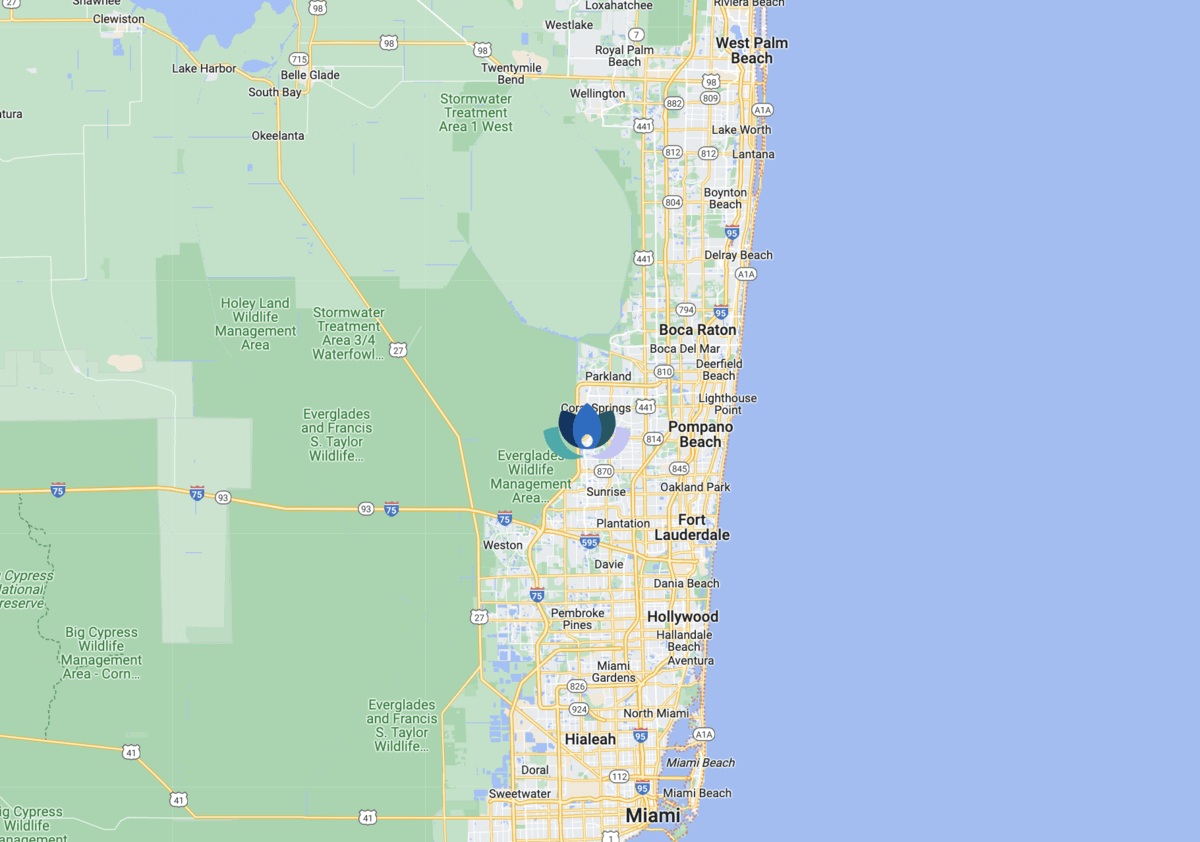
We are just 15 minutes west of Fort Lauderdale and centrally located for residents of Pompano Beach, Coral Springs, and Sunrise, Florida. Our location allows you to step away from the noise and stressors of daily life without being completely isolated. We offer the privacy and calm environment necessary to do deep therapeutic work, with easy access to the peaceful natural surroundings of South Florida.

See Our Facility: 7710 NW 71st Ct, Tamarac, FL 33321

map-sylvia-brafman-mental-health-center-south-florida

A Simple Path to Starting Trauma-Informed Care at SBMHC

Reaching out for help is often the hardest part of the journey. We have streamlined our admissions process to be as low-stress as possible. You do not need a referral, nor do you need to have all the answers when you make initial contact. Here is exactly what happens when you reach out seeking trauma-informed care at Sylvia Brafman:

1. The Confidential Consultation: When you call 877-958-9212, you will speak directly with one of our compassionate patient advocates. We will listen to your story, understand your current struggles, and answer any questions you have. This is a safe, judgment-free space to share as much or as little as you are comfortable with.

2. The Assessment & Benefit Check: While you focus on self-regulating, we handle the logistics. Our team will verify your insurance benefits to maximize your coverage. Simultaneously, our clinicians will review your history to ensure our trauma-informed program is the right fit for your needs.

3. Arrival & Welcome: Once we agree on a plan of action, we schedule your intake at our Tamarac, Florida facility. From the moment you contact us, you are no longer navigating this alone. You are part of the Sylvia Brafman family, and your path toward safety and healing begins immediately.

Removing Financial Barriers to Recovery

We believe that trauma-informed care is essential healthcare and not a luxury. However, we also know that navigating insurance can be confusing and stressful, especially when you are already feeling overwhelmed. At Sylvia Brafman, our dedicated patient advocates handle the entire process for you.

We work with most major insurance providers to maximize your benefits and minimize your out-of-pocket costs. From the moment you call, we take over the administrative burden. We contact your provider, verify your coverage for PHP or IOP levels of care, and secure the authorizations you need.

Ready to know your options? You do not need to commit to treatment to get answers. Call us at (877) 958-9212 or use our confidential verification form for a free, no-obligation benefits check. We will tell you exactly what your plan covers so you can make an informed decision without any surprise bills.

Logos of some accepted insurance companies at Sylvia Brafman Health Center.

[]

Going Deeper: The Science Behind Trauma-Informed Care

You may hear the phrase “trauma-informed care” often, but what does it actually mean for your recovery? At its core, trauma-informed therapy is a clinical framework, not just a single technique. This approach recognizes that many of your current struggles, whether anxiety, depression, or substance use, are often normal physiological responses to abnormal events.

Our clinicians utilize evidence-based modalities to help you process these events without being re-traumatized. These may include Eye Movement Desensitization and Reprocessing (EMDR), Somatic Experiencing (SE), and Cognitive Behavioral Therapy (CBT) with a trauma focus. We create a clinical environment where you’re empowered to rebuild your sense of control. Our goal is to turn post-traumatic stress into post-traumatic growth.

Statistics for Trauma-Informed Therapy in Florida

Statistics for Trauma-Informed Therapy in Florida

  • In Florida, a significant number of crime victims struggle with severe trauma and insufficient trauma-informed support for recovery. The vast majority, about 80%, exhibit trauma symptoms following a crime, yet most survivors don’t receive any victim services, according to The Miami Herald.
  • The U.S. Department of Veterans Affairs shares that approximately 5.2 million adults have PTSD in any given year, many of whom could benefit from trauma-sensitive counseling.
  • Different forms of trauma-informed therapy in Florida are becoming more and more popular. Florida State University’s Counseling and Psychological Services Center has at least 20 practitioners who utilize Eye Movement Desensitization and Reprocessing (EMDR) for students who have experienced trauma.
  • A study of over 13,000 substance abuse treatment centers revealed that most (66.6%) incorporate trauma-informed or trauma-focused counseling to some degree. Furthermore, facilities that prioritize trauma counseling tend to offer a broader range of supportive services, including disease testing, specialized therapies, child care, and employment assistance.
  • Tarpon Springs, Florida, is the first city in the nation to declare itself a “trauma-informed and resilient community.”

Clinical facility office inside of the Sylvia Brafman Mental Health Center

More Benefits of Trauma-Informed Therapy

The benefits of trauma-informed care cannot be overstated. This approach fosters a safe and supportive environment that promotes healing and empowerment. By recognizing the widespread impact of trauma, trauma-informed mental health services can address challenges more effectively than traditional therapy methods. Let’s explore some of the key benefits of this compassionate approach:

Empowers Clients

Empowers Clients

In trauma-informed therapy, you’re placed at the center of your healing. This approach empowers you by giving you a voice and a sense of agency in your treatment. You’re encouraged to actively participate in decision-making about your care, which can help restore a sense of control that may have been lost due to your traumatic experiences.

Your therapist will work collaboratively with you, respecting your unique experiences and perspectives. You’re taught skills to manage your symptoms and cope with triggers, enhancing your self-efficacy. This empowerment extends beyond the therapy room, as you learn to advocate for yourself and set healthy boundaries in your daily life. By recognizing and building on your strengths, trauma-informed therapy helps you reclaim your personal power and develop resilience.

Builds Trust in the Therapeutic Relationship

Builds Trust in the Therapeutic Relationship

In trauma-informed therapy, building a trusting therapeutic relationship is paramount. Your therapist understands the importance of safety and transparency, creating an environment where you feel comfortable sharing your experiences. They take the time to listen without judgment, validating your feelings and providing a supportive presence as you share.

Your therapist will be transparent about the treatment process, setting clear expectations and ensuring you’re informed every step of the way. This collaborative approach fosters trust and mutual understanding, helping you feel heard and respected. As this trust deepens, you’ll become more willing to engage in the therapeutic work, resulting in more meaningful and effective progress.

Addresses Underlying Trauma

Addresses Underlying Trauma

A key benefit of trauma-informed therapy is its ability to address the underlying traumatic experiences that may be driving your current life difficulties. Rather than just treating the symptoms, this approach delves into the root causes of your struggles, providing a more comprehensive and long-lasting solution.

Your therapist will work with you to explore your trauma narratives, helping you process and integrate these experiences in a safe environment. By gaining a deeper understanding of how trauma has impacted your life, you can develop more effective coping skills and break free from the cycles of distress. This trauma-focused work empowers you to heal from the past and build a more resilient and fulfilling future.

Supports Mental Health Recovery

Supports Mental Health Recovery

Trauma-informed therapy offers a powerful pathway to mental health recovery. By recognizing the profound impact of trauma, this approach provides the necessary tools and support to help you heal and reclaim your overall wellness. Your therapist will work collaboratively with you to address the complex relationship between trauma and various mental health conditions, such as PTSD, depression, and anxiety.

Through trauma-sensitive interventions, you’ll learn to manage symptoms, regulate emotions, and develop healthier coping mechanisms. This holistic, person-centered care aims to not only alleviate your current distress but also to foster long-term resilience and growth. As you progress through therapy, you’ll experience a heightened sense of empowerment and self-awareness, and greater ease and confidence in navigating life’s challenges.

Creates a Safe Environment

Creates a Safe Environment

One of the most crucial benefits of trauma-informed therapy is the creation of a safe and supportive environment. Your therapist understands the importance of physical, emotional, and psychological safety, and they will work diligently to ensure you feel secure throughout the entire therapeutic process.

Your therapist will respect your boundaries, move at a pace that feels comfortable for you, and create a space where you can explore your experiences without fear of judgment or re-traumatization. This sense of safety is vital, allowing you to let your guard down, engage more fully in the therapy, and begin the process of healing. As you build trust in this safe environment, you’ll feel increasingly empowered to confront and overcome the challenges you’ve faced.

Improves Coping Skills

Improves Coping Skills

Trauma-informed therapy equips you with essential coping skills to manage the aftermath of traumatic experiences. Your therapist will guide you through evidence-based techniques, like mindfulness, emotion regulation, and grounding exercises, to help you navigate triggers and difficult emotions. As you learn to identify and respond to your trauma symptoms, you’ll develop a greater sense of control over your own well-being.

These practical coping mechanisms empower you to take an active role in your healing, reducing the overall impact of trauma on your daily life. With time and practice, you’ll become more resilient, better able to cope with stress, and more equipped to move forward in a healthy and fulfilling way.

Promotes Long-Term Healing

Promotes Long-Term Healing

Trauma-informed therapy’s holistic approach promotes long-term healing and personal growth. By addressing the root causes of your distress, this therapy helps you achieve more sustainable progress beyond symptom management. Your therapist will work with you to develop a comprehensive plan that not only alleviates your current challenges but also fosters the development of inner strengths.

As you progress through therapy, you’ll gain a deeper understanding of yourself, your past, and the coping skills that work best for you. This empowers you to take ownership of your healing journey, even after the formal therapy has ended. The skills and insights you gain will continue to serve you, enabling you to navigate life’s ups and downs with greater ease and confidence.

Integrates Across Care Settings

Integrates Across Care Settings

Trauma-informed therapy recognizes the importance of integrating care across various settings to provide complete, comprehensive support. Your therapist may collaborate with other healthcare professionals, such as your primary care provider, case managers, or social workers, to ensure a seamless continuum of care.

This coordinated approach enables your specific needs and trauma-informed considerations to be addressed holistically, wherever you receive services. By aligning treatment resources and fostering effective communication between providers, trauma-informed therapy facilitates a more cohesive and comprehensive healing process. This integration of care helps you navigate different systems more easily, empowering you to access the resources and support you need throughout your recovery.

More Benefits of Trauma-Informed Therapy

Frequently Asked Questions About Trauma-Informed Therapy

What Is a Trauma-Informed Therapy Program?

What Is a Trauma-Informed Therapy Program?

A trauma-informed therapy program is a comprehensive approach to mental health treatment that recognizes the pervasive impact that trauma can have. It integrates trauma-specific interventions with general psychotherapy techniques, creating a calm, safe, and supportive environment for healing. These programs prioritize understanding how traumatic experiences can impact all aspects of your physical and emotional health and wellness.

Trauma therapy within these programs employs various evidence-based techniques tailored to address your unique needs as a trauma survivor. Trauma-informed practices in therapy emphasize safety, trust, collaboration, and empowerment, ensuring that every aspect of treatment is sensitive to your past traumatic experiences. These programs often include individual and group talk therapy sessions, as well as additional support services.

Trauma-informed mental health services incorporate holistic approaches that may include body-based therapies, art therapy, or mindfulness practices. The goal is to create a comprehensive healing environment that addresses the multifaceted impacts of trauma. Ultimately, this helps you develop resilience, coping skills, and a renewed sense of control over your life.

What Are The Differences Between Trauma-Informed Therapy vs. Traditional Therapy Approaches?

What Are The Differences Between Trauma-Informed Therapy vs. Traditional Therapy Approaches?

Trauma-informed therapy recognizes trauma’s profound impact on mental health and focuses on rebuilding safety, confidence, and self-efficacy. Traditional therapy may not always explore the traumatic roots of current issues.

It’s also beneficial to distinguish between trauma-informed and trauma-focused therapy. While closely related, trauma-focused therapy directly addresses specific traumatic events. In contrast, trauma-informed therapy creates a comprehensive, nurturing environment for overall healing.

These patient-centered, trauma-informed approaches often lead to more sustainable progress, enhanced resilience, and improved quality of life. By acknowledging the pervasive effects of trauma, these methods offer a more holistic path to recovery and well-being.

What Are the Principles of Trauma-Informed Care?

What Are the Principles of Trauma-Informed Care?

The principles of trauma-informed care are fundamental guidelines that shape the approach to trauma healing treatment. These principles, developed by the Substance Abuse and Mental Health Services Administration (SAMHSA), form the foundation of trauma-informed care. They ensure that therapy is conducted in a manner that acknowledges the impact of trauma and fosters your healing in a safe and supportive environment.

Key principles of trauma-informed care include:

  • Safety: Ensures that the physical and emotional environment is secure and non-threatening. It involves creating a space where you feel physically and psychologically safe throughout your treatment process.
  • Trustworthiness and transparency: Emphasizes building and maintaining trust through clear communication and transparency in operations. Decisions are made with transparency, and expectations are clearly communicated to foster a trusting therapeutic relationship.
  • Peer support: Recognizes the value of shared experiences in healing. It encourages the integration of peer support and mutual self-help into the therapeutic process, fostering a sense of community and shared understanding.
  • Collaboration: Promotes partnership between you and your mental health practitioner. It emphasizes shared decision-making and recognizes that healing occurs in relationships and through the meaningful sharing of power.
  • Empowerment, voice, and choice: Focuses on strengthening your experience of choice and recognizing your right to make decisions. It aims to cultivate self-advocacy skills and empower you in your healing journey.
  • Cultural, historical, and gender issues: Addresses historical trauma and cultural stereotypes. It ensures that services are culturally responsive and gender-informed, acknowledging the unique experiences of diverse populations.

Additionally, SAMHSA’s trauma-informed principles emphasize the Four Rs:

  • Realize the widespread impact of trauma;
  • Recognize the signs and symptoms of trauma;
  • Respond by integrating knowledge about trauma into policies and practices; and
  • Resist re-traumatization.

The principles, along with the Four Rs, guide therapists in creating trauma-informed behavioral health treatment methods that prioritize your well-being, foster trust, and promote healing in a compassionate, understanding manner.

How Much Do Trauma-Informed Therapy Programs Cost in Florida?

How Much Do Trauma-Informed Therapy Programs Cost in Florida?

The cost of mental health treatment and trauma-informed therapy programs in Florida can vary depending on several key factors. On average, the price for outpatient trauma-informed individual therapy sessions typically ranges from $100 to $300 per session without insurance. However, more intensive program types may come with a higher price tag.

Several factors can influence the cost. These can include your therapist’s level of experience, the therapeutic modalities employed, whether the sessions are conducted in-person or through teletherapy, and whether the provider is in-network with your health insurance plan. Some therapists may offer payment plans, package deals, or sliding scale fees based on your financial situation.

It’s vital that you thoroughly understand all associated costs to ensure the program aligns with your budget and insurance coverage. By finding the right provider, you can access the specialized care you need to address your trauma and embark on a journey of healing and recovery.

Does Health Insurance Cover Trauma-Informed Therapy in Florida?

Does Health Insurance Cover Trauma-Informed Therapy in Florida?

In Florida, the availability and coverage of trauma-informed therapy can vary depending on your particular health insurance plan. Many major insurance providers, including government-supported plans, recognize the importance of healing from trauma with therapy. Many of these providers are increasingly incorporating trauma-informed approaches into their coverage.

However, the extent of coverage and specific requirements may differ across insurance plans. Some plans may cover trauma-informed therapy sessions in full, while others may require a higher copay or deductible. If you’re seeking trauma-informed therapy in Florida, be sure to check your insurance to fully comprehend the scope of your coverage. If you require assistance navigating your insurance benefits, don’t hesitate to contact our patient advocates today.