


Dementia-Related Mental Health Treatment Near Fort Lauderdale, FL

A dementia diagnosis changes everything, whether for you or for someone you love. You might be noticing memory lapses, struggling to find words, or watching a parent or partner become someone unfamiliar. It’s disorienting, scary, and isolating. The positive news is you don’t have to handle it alone.

The Sylvia Brafman Mental Health Center understands what you’re facing. We’re here to offer aid during the early stages of dementia, addressing the emotional and psychological challenges that come with this difficult diagnosis. We’re not a memory care facility; we’re a mental health partner who specializes in treating the anxiety, depression, and other mental health concerns that often accompany early-stage dementia. You deserve compassionate, expert care that meets you where you are. Contact us to start receiving it at Sylvia Brafman.

What Are Dementia-Related Mental Health Symptoms?

A dementia diagnosis doesn’t just affect memory – it often triggers significant emotional and psychological challenges. Anxiety, depression, and personality changes are common as you or your loved one processes the diagnosis and faces uncertainty about the future. These mental health symptoms can feel just as overwhelming as the cognitive changes, sometimes even more so in the early stages.

You might notice increased irritability, withdrawal from activities once enjoyed, or a persistent sense of fear about what’s ahead. Some people experience panic attacks or struggle with feelings of helplessness. Others become restless or aggressive in ways that feel unlike their usual selves. These are normal, real, and treatable responses to a significant and distressing life change.

If you or a loved one has been diagnosed with early-stage dementia and you’re experiencing these emotional struggles, we can offer support and tangible tools. When your symptoms are still progressing slowly, our treatment approach gives you time to address both the cognitive and mental health aspects of what you’re facing.

If depression, anxiety, or other mental health challenges are weighing on you as you come to terms with the diagnosis, The Sylvia Brafman Mental Health Center is equipped to facilitate the treatment of both. Call (877) 958-9212 today to speak with one of our patient advocates about maintaining your quality of life and emotional well-being in the present moment.

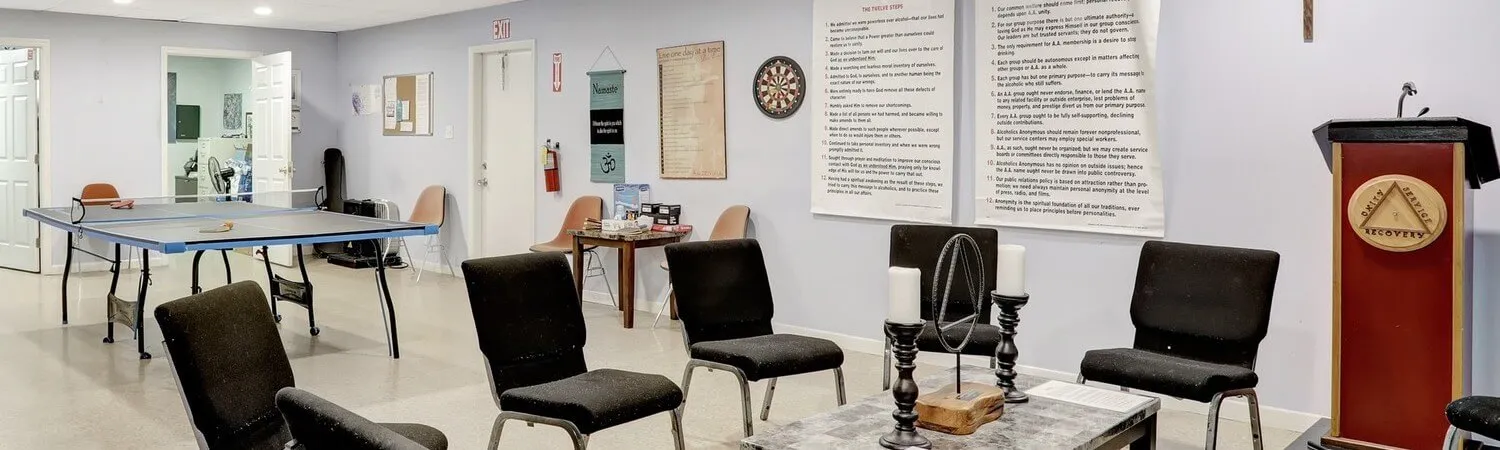
Therapy room in our Tamarac, Florida mental health facility

Does Therapy Actually Help with Dementia-Related Depression, Anxiety and Agitation?

Therapy is one of the most effective treatments for depression, anxiety, and agitation in early-stage dementia. Research shows that CBT adapted for cognitive changes can significantly reduce symptoms and improve quality of life. Therapy gives you the tools to manage what you’re experiencing right here, right now.

The key is to work with a therapist who understands the challenges of dementia. Early-stage dementia means you’re still able to engage meaningfully in therapy, process your emotions, and learn effective coping skills. A good therapist won’t pretend your diagnosis doesn’t exist or treat you like you can’t understand what’s happening. Instead, they’ll collaborate with you to address the specific fears, frustrations, and emotional pain that come with early-stage dementia. This could include grief over changes you’re noticing, anxiety about the future, or irritability that’s straining your relationships.

At The Sylvia Brafman Mental Health Center, we’ve seen psychotherapy transform how people experience early-stage dementia. Over time, you’ll feel more in control, less trapped by anxiety, and better equipped to handle difficult moments. You deserve care that takes your emotional well-being as seriously as your medical diagnosis. Therapy works, especially when it’s tailored to where you currently are physically and mentally.

Signs It May Be Time to Seek Mental Health Support

You don’t have to wait for things to get worse before you ask for help. If you’re noticing emotional or behavioral changes alongside your dementia diagnosis, or if a family member is expressing concern, it’s worth reaching out for a free mental health assessment at our South Florida center. These symptoms often respond well to treatment, particularly when you address them early.

Here are mental health signals to watch for alongside a recent dementia diagnosis:

  • Persistent sadness, tearfulness, or withdrawal that feels distinct from memory loss or confusion
  • Excessive worry, fear, or panic that’s new or has dramatically worsened
  • Agitation, restlessness, or resistance to daily routines and self-care
  • Anger or irritability that seems disproportionate to the situation
  • Social isolation or refusal to participate in activities you once enjoyed
  • Sleep disruption driven by anxiety or low mood
  • Noticeable personality shifts that make you or loved ones feel like you’re “a different person”

If any of these resonate with you or apply to someone you care about, it’s time to reach out. Mental health support isn’t something to put off or hope will resolve on its own. The Sylvia Brafman Mental Health Center is here to address these symptoms now. Contact us today; early intervention can make the biggest difference in your or your loved one’s quality of life.

Our Team Is Here To Help You And Your Family Navigate Mental Health Support

At The Sylvia Brafman Mental Health Center near Fort Lauderdale, Florida, our team of clinicians and knowledgeable patient advocates is ready to guide you. We offer a variety of treatments conducive to dementia-related needs. We are dedicated to providing compassionate, evidence-based care for the diverse individuals we treat. So don’t wait, reach out to us today. Please give us a call or fill out our contact form to request a callback.

"*" indicates required fields

This field is for validation purposes and should be left unchanged.
Please let us know your preferred way for us to contact you.
The Sylvia Brafman Mental Health Center logo - Mental Health Providers in Florida

How Sylvia Brafman Treats Dementia-Related Mental Health Challenges at Our South Florida Center

We treat dementia-related mental health challenges with a personalized approach that honors where you are in the present moment. We start with a thorough diagnostic evaluation, because depression, anxiety, and agitation can have multiple root causes. You deserve to know exactly what’s driving your symptoms before we create your personalized treatment plan.

From there, we use our 5 Lanes model to create a treatment plan that’s tailored to you, never a one-size-fits-all protocol. Depending on your needs, you might work with us through our Intensive Outpatient Program (IOP), which allows you to receive comprehensive treatment while staying at home or with family. If you or your loved one needs more immersion, our Partial Hospitalization Program (PHP), combined with optional off-site FARR housing, provides structured, comprehensive outpatient treatment without requiring inpatient admission.

At Sylvia Brafman, you’re not a number in a large hospital system; you’re a person receiving individualized attention from a multidisciplinary team. Our South Florida mental health facility location means warm weather, beach outings, and a community environment that supports healing and connection. Whether you’re working through anxiety in therapy, managing medication adjustments, or coming to terms with the emotional weight of a dementia diagnosis, you’ll receive care tailored to your specific needs.

The attention you receive at The Sylvia Brafman Mental Health Center is personal, expert, and dedicated to helping you reclaim your emotional well-being during early-stage dementia. Reach out to our patient advocates today to learn more about our admissions process and program offerings.

Woman having her mental health tested and assessed at a mental health facility

The Importance of Including the Family in Mental Health Treatment

Dementia doesn’t just affect the person diagnosed; it ripples through everyone who loves them. Your partner, adult children, or close family members are often struggling too: they’re grieving, stressed, uncertain about how to support you, and sometimes wrestling with their own anxiety or depression. When one person in a family is facing dementia-related mental health challenges, the whole system needs support.

That’s why our co-founder and Chief Clinical Officer, Ben Brafman, MS, LMHC, built a dedicated Family Program into our treatment model. We grew this program because we kept hearing the same thing from families: “We don’t know how to talk about this. We don’t know what’s normal. We don’t know how to help without making things worse.” Our Family Program gives you concrete answers. We bring family members together to foster understanding about what’s happening, communicate more effectively, and learn practical skills to support your loved one while also protecting your own mental health.

When dementia impacts a family, everyone deserves support, and at Sylvia Brafman, we treat the whole family unit, not just the individual diagnosed. When you enter outpatient treatment with us, know that family is a key part of our treatment approach.

Frustrated and agitated woman covering her eyes

Effective Treatment Methods for Dementia-Related Mental Health Symptoms

There’s no single magic treatment that works for everyone with dementia-related anxiety, depression, or agitation, and that’s actually good news. It means we have diverse options for treatment programs and modalities, and we can customize your care to match what you actually need.

The methods we use most often at Sylvia Brafman are evidence-based, adapted specifically for early-to-moderate dementia, and designed to work alongside any medical care you’re already receiving. What follows isn’t an exhaustive list of every possible treatment; it’s an overview of the approaches that tend to make the biggest difference for our clients.

Cognitive Behavioral Therapy (CBT)

Cognitive Behavioral Therapy (CBT)

CBT enables you to identify the thoughts and beliefs that fuel anxiety or depression, then gently challenge and reshape them. CBT for dementia involves moving at your own pace, using simpler language, and focusing on what matters in the present rather than on abstract concepts. You’ll learn to recognize patterns like catastrophic thinking and replace them with more grounded thoughts.

Dialectical Behavior Therapy (DBT)

Dialectical Behavior Therapy (DBT)

DBT teaches you four key skills: mindfulness, distress tolerance, emotion regulation, and interpersonal effectiveness. For dementia-related agitation, irritability, or emotional overwhelm, these skills are powerful. You learn concrete techniques (grounding exercises when panic hits, or communication strategies when frustration builds). DBT can be especially useful for managing the emotional swings that often accompany early-stage dementia.

Family Involvement

Family Involvement

Your family isn’t just supporting you from the sidelines; they’re part of your healing. At Sylvia Brafman, we integrate family members into treatment because dementia affects the whole system. Family therapy enables everyone to cultivate better understanding, communicate without blame, and learn practical ways to support one another while still taking care of themselves. When families heal together, individuals recover better.

Psychiatric Care and Medication Support

Psychiatric Care and Medication Support

Sometimes therapy alone isn’t enough, and that’s where psychiatric care comes in. Our psychiatrists work closely with you to evaluate whether medication might be beneficial. Medication isn’t a replacement for therapy; it’s a tool that often makes therapy more effective. We monitor your response, adjust dosages as needed, and always keep you informed about what you’re taking and why.

Group therapy session in a mental health facility.

Why Structured Treatment May Work Better Than Weekly Therapy for Dementia-Related Mental Health

If you’ve been in weekly therapy for months and still feel stuck or overwhelmed, it might be time to consider a more intensive approach. More structured treatment programs offer something traditional therapy can’t: multiple touchpoints each week, continuity of care, and the chance to practice new skills in real time.

  • When weekly psychotherapy isn’t cutting it: You’ve been showing up, doing the work, but the symptoms aren’t budging – or they’re getting worse
  • More touchpoints each week means faster progress: Three or more days per week of outpatient treatment (vs. one hour of therapy weekly) creates momentum, consistency, and faster symptom relief; virtual IOP is also available
  • An IOP doesn’t have to disrupt your life: Can be compatible with work, caregiving, relationships, routines; flexible scheduling; you go home each day
  • PHPs can be a bridge: Intensive treatment without residential placement; avoids unnecessary relocation (which can be destabilizing for someone with memory issues); At Sylvia Brafman, you have access to FARR housing if you need it
  • Continuity across providers: Same therapists, psychiatrists, and team seeing you multiple times per week (vs. fragmented care)
  • Real-world practice: You learn skills in treatment, then immediately apply them in your actual life that same day/week

Does Insurance Cover Mental Health Treatment for Dementia-Related Conditions in Florida?

Yes, most insurance plans cover mental health treatment for dementia-related conditions in Florida. Insurers typically cover therapy, psychiatric care, and Intensive Outpatient Programs (IOPs) and Partial Hospitalization Programs (PHPs) when medically necessary. Coverage varies by plan, so it’s worth confirming your specific benefits, including any copays or deductibles, before starting treatment.

The Sylvia Brafman Mental Health Center accepts most major insurance plans and can verify your coverage details. Our patient advocates work directly with your insurer to verify benefits, explain what’s covered, and discuss any out-of-pocket costs upfront. We believe cost shouldn’t be a barrier to getting the care you need, and we’re here to make the financial side as clear and manageable as possible.

If you have questions about your specific plan or need assistance understanding your coverage, reach out to us. We’re ready to talk through your plan to ensure you maximize your benefits while minimizing your out-of-pocket expenses.

[]
Group therapy and living area in our mens residential housing

Why Choose Sylvia Brafman for Dementia-Related Mental Health Treatment Near Fort Lauderdale?

Treating dementia-related mental health challenges requires expertise, compassion, and flexibility. The Sylvia Brafman Mental Health Center is an expert-led, accredited outpatient treatment facility specializing in this exact intersection: where early-stage dementia meets anxiety, depression, and emotional distress. We don’t treat memory loss; we treat the mental health symptoms that often accompany it, with a multidisciplinary team of mental health practitioners.

We understand that getting better doesn’t mean upending your life. That’s why we offer flexible levels of care:

  1. Robust partial hospitalization programming during the day with FARR-certified housing available;
  2. Comprehensive intensive outpatient programs with evening and virtual options;
  3. A combination tailored to your schedule and circumstances.

Whether you’re working, caregiving, or managing other responsibilities, you can receive comprehensive, dedicated mental health treatment without abandoning your routines, relationships, or independence. You’ll stay connected to what matters to you while we address what’s hurting.

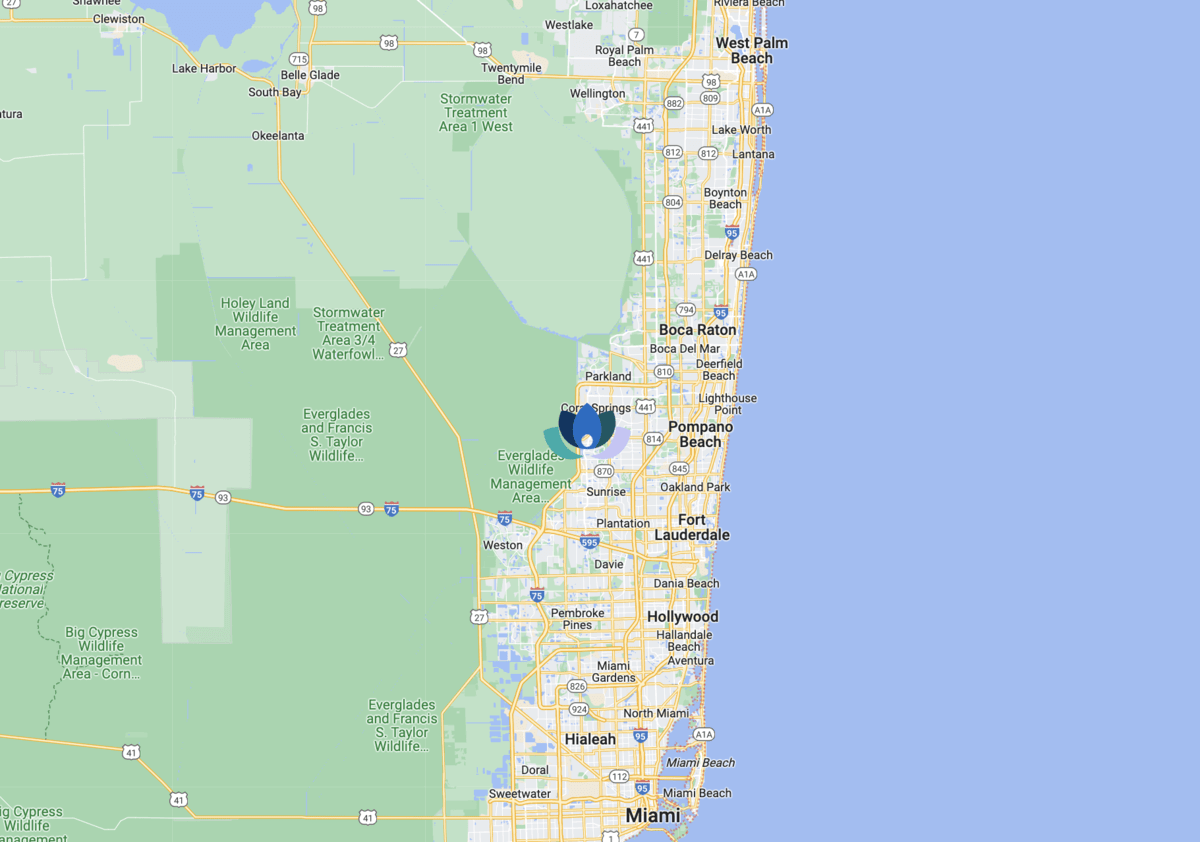
Family involvement is also essential to how we work. We include your loved ones in therapy, teach you how to respond to irritability and withdrawal without making things worse, and work with you to better manage the grief and burnout that come with this diagnosis. Here, you’re part of a coordinated team working toward real healing. We’re centrally positioned in South Florida and accessible to the greater Fort Lauderdale area. Ready to talk about what is weighing you down? Call us at (877) 958-9212 or visit us at 7710 NW 71ST CT, Tamarac, Florida, 33321.

map-sylvia-brafman-mental-health-center-south-florida

Frequently Asked Questions About Dementia-Related Mental Health Treatment in South Florida

If you’re considering treatment for dementia-related anxiety, depression, or other mental health symptoms, you likely have questions. Here are answers to the most common ones we hear from others in your situation. We hope they clarify what to expect and offer information so you can decide if our mental health treatment is right for you or your loved one.

Can Someone With Dementia Benefit From Mental Health Therapy?

Can Someone With Dementia Benefit From Mental Health Therapy?

Yes, absolutely. People in the early-to-moderate stages of dementia can engage meaningfully in psychotherapy and benefit significantly. Therapists trained in dementia-adapted approaches use simpler language, slower pacing, and focus on current needs rather than memory recall. Therapy addresses anxiety, depression, and emotional challenges (not the memory loss itself) and can dramatically improve your quality of life.

What Is the Difference Between a Mental Health Treatment Center and a Memory Care Facility for Someone With Dementia?

What Is the Difference Between a Mental Health Treatment Center and a Memory Care Facility for Someone With Dementia?

A mental health treatment center treats emotional and psychological symptoms – anxiety, depression, irritability – that accompany dementia. A memory care facility provides daily living support and supervision for cognitive decline. We’re a mental health partner, not a residential care home. You live at home and come to outpatient treatment, or stay in nearby housing while receiving intensive therapy and psychiatric care.

What Should I Do if My Family Member With Dementia Is Also Severely Depressed or Anxious?

What Should I Do if My Family Member With Dementia Is Also Severely Depressed or Anxious?

Start by contacting us. Severe depression and anxiety in someone with dementia require professional evaluation and treatment; it’s not something to be managed alone. Our team at Sylvia Brafman can assess symptoms, determine the right level of care, and create a personalized treatment plan. We’ll also include your family unit in treatment to learn how to best support them.