Mental Health Treatment for First Responders in South Florida

Being a first responder means carrying weight most people never will. You’ve witnessed things that stay with you. If you’re struggling with PTSD, complex trauma, depression, or anxiety, or if your family’s carrying the weight alongside you, you’re not alone. What you’re feeling is very real, and it’s treatable.

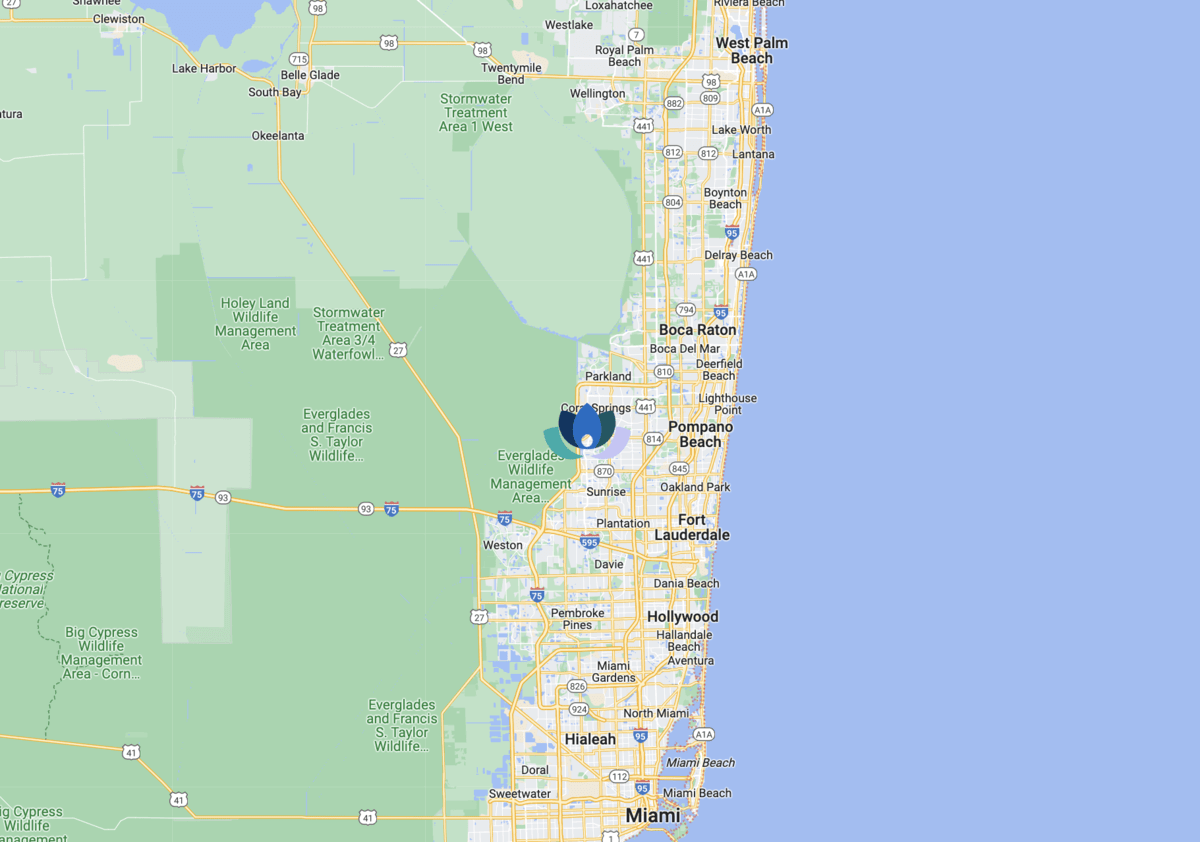
The Sylvia Brafman Mental Health Center, located in Tamarac just west of Fort Lauderdale, specializes in trauma-informed care for first responders and their families. We validate the unique demands of your work and the toll it takes on your mental health, bringing both clinical expertise and genuine compassion to treatment. We offer evidence-based therapies and personalized care plans that address the specific challenges, such as PTSD, anxiety, and relationship strain, first responders face. Contact us today to discuss your situation with our compassionate patient advocates.

How Does First Responder Work Affect Mental Health?

Your job exposes you to things most people never see. Each call, each scene, each person you can’t save adds up. Over time, this repeated exposure to trauma rewires how your brain responds to stress and threat. One catastrophic event, like an officer-involved shooting, a line-of-duty death, or child fatality, can shatter you in ways that take years to heal.

What makes this different from other jobs is the nature of cumulative exposure. You’re not just witnessing trauma; you’re absorbing it. Repeatedly. You’re interacting with people on the worst day of their lives, and that takes a toll. Your nervous system stays on high alert, your sleep suffers, and your relationships strain. Alcohol or other substances might seem like the only way to quiet your mind. The body keeps score, and after enough exposures, even routine calls can trigger overwhelming reactions.

What you’re experiencing isn’t weakness; it’s a normal response to abnormal circumstances. And support is available. Call The Sylvia Brafman Mental Health Center at (877) 958-9212 to speak with one of our compassionate patient advocates and find a path forward.

Paramedic kneeling on the ground checking the pulse of an unseen person

How Common Are Mental Health Disorders Among First Responders?

Mental health disorders among first responders are far more prevalent than most people realize, and the toll is real and measurable. Recent research in Clinical Psychology Review shows that approximately 1 in 7 first responders develop PTSD from routine duties alone, and the mental health impact compounds when singular traumatic events occur.

Research published in the Scandinavian Journal of Trauma, Resuscitation and Emergency Medicine reveals alarming mental health crises within emergency services. Nearly 47% of firefighters experience suicidal thoughts at some point in their lives, while emergency medical personnel face a suicide risk 10 times higher than the general civilian population.

Depression and PTSD develop at rates far exceeding those in the general population. A Journal of Global Health study found that in the midst of the COVID-19 pandemic, roughly 22% of police officers reported depression symptoms. Paramedics and EMS workers saw even higher rates: 37% of paramedics and 28% of non-paramedic EMS personnel reported depression.

When you’re trained to take care of others, admitting you need care yourself can feel impossible. But these numbers tell you something important: you’re not weak, and you’re not alone. For loved ones, these statistics aren’t abstract; they represent real people you work alongside every shift, people you live with, people facing invisible battles while responding to everyone else’s emergencies.

Expert Support for Workplace Stress & Burnout

At The Sylvia Brafman Mental Health Center near Fort Lauderdale, Florida, our team of dedicated professionals is ready to guide you. We offer mental health IOP services and a variety of treatments for first responders, each uniquely designed to meet your needs. We’re also able to offer accommodation at affordable rates if you’re traveling in from out of State. So don’t wait, reach out to us today. Give us a call, research The Sylvia Brafman’s mental health center reviews, or complete the form below to request a callback.

"*" indicates required fields

This field is for validation purposes and should be left unchanged.
Please let us know your preferred way for us to contact you.
The Sylvia Brafman Mental Health Center logo - Mental Health Providers in Florida

Mental Health Disorders That Commonly Affect First Responders

First responders, including police, firefighters, EMTs, and dispatchers, are routinely exposed to traumatic events that take a significant toll on their psychological well-being. Understanding the prevalence and nature of these mental health disorders is essential for fostering support systems. Here, we’ll outline several conditions that frequently affect first responders, highlighting the unique occupational stressors that contribute to their development.

PTSD, CPTSD & Trauma

PTSD, CPTSD & Trauma

First responders face a high risk of developing Post-Traumatic Stress Disorder (PTSD) due to frequent exposure to life-threatening situations, death, and severe injury. Research indicates that roughly 30% of first responders develop conditions like PTSD and depression, compared to approximately 20% of the general population. Other estimates suggest PTSD rates among various first responder roles range from 7% to 37%

Unlike a single traumatic incident, cumulative or critical-incident trauma stems from the repetitive nature of the job. Over time, constant exposure to distressing events can overwhelm your coping mechanisms, leading to complex PTSD (CPTSD). This cumulative trauma can make you hypervigilant, emotionally exhausted, and deeply impacted by the weight of your service.

Anxiety Disorders

Anxiety Disorders

Anxiety disorders are prevalent among first responders, with research stating that 52% experience anxiety, often because of the persistent requirement to be “on guard.” The nature of the profession demands continuous hypervigilance, and when this state does not “switch off” after a shift, it can evolve into chronic anxiety. This can impair daily functioning, sleep, and overall quality of life.

Furthermore, fear of making a critical error, pressure to maintain public trust, and apprehension about the next call create a foundation of chronic stress. This environment can make it challenging to relax, contributing significantly to the development and maintenance of anxiety disorders, which often co-occur with trauma-related symptoms.

Depression

Depression

Depression symptoms in first responders are frequently linked to the emotional exhaustion resulting from repeated exposure to tragedies, long shifts, and a demanding, high-stress culture. Many responders report experiencing depression, with some studies suggesting rates as high as 53% within certain samples of first responders.

This depression is often compounded by the isolation you feel; you may believe others cannot understand the gravity of your experiences. The loss of a sense of hope or purpose, combined with the difficulty of balancing work with home life, can deepen these depressive states. Without intervention, this can escalate, with some research indicating that up to 37% of fire and EMS professionals have contemplated suicide.

Substance Use Disorder (SUD)

Substance Use Disorder (SUD)

Substance Use Disorder (SUD) among first responders is often an attempt to cope with untreated trauma, anxiety, or depression. Studies specifically highlighting this coping mechanism show that up to 29% of firefighters engage in alcohol abuse, and research from the International Journal of Drug Policy found that 40% of first responders receiving counseling met the criteria for an SUD.

Stigma about seeking help can lead to self-medication. You may use substances to numb emotional pain, quiet intrusive thoughts, or fall asleep. Alcohol is a common choice, though other substances are also misused. The relief is temporary, and the habit can make the underlying symptoms worse and raise the risk of addiction. The stoic culture of emergency services can reinforce this, because drinking or using privately may feel easier than asking for clinical support.

Two paramedics talking at the back open doors of an ambulance

Why Choose Sylvia Brafman for First Responder Mental Health Treatment Near Fort Lauderdale?

When you spend your career running toward a crisis, you deserve care built for you. Sylvia Brafman is a true primary mental health center near Fort Lauderdale, where first responders like you get specialized, confidential treatment from an expert team that understands the job.

Mental health is our focus, not an add-on. That matters because the right diagnosis shapes everything that follows. PTSD, anxiety, depression, and substance use often overlap, and symptoms can look alike. Our team takes the time to assess what is actually going on, so your treatment plan targets the root cause and not just the surface.

Our approach uses trauma-focused modalities that fit how first responders are wired. We offer EMDR alongside CBT, DBT, and trauma-informed therapy, so you can process difficult calls and build practical tools for sleep, anger, hypervigilance, and stress. Our treatment philosophy ensures we address your healing from all angles. Flexible PHP, IOP, and virtual care let you keep working while you get help. If you’re traveling from out of state, we offer comfortable accommodations to help you transition smoothly into our treatment programs.

You’ve spent your career caring for others. Now let us take care of you. Call us today at (877) 958-9212 or visit us at 7710 NW 71ST CT, Tamarac, Florida, 33321 to speak with our team of patient advocates, verify your insurance benefits at no cost, and take the first step toward lasting healing.

map-sylvia-brafman-mental-health-center-south-florida

Signs It May Be Time to Seek Professional Help as a First Responder in Florida

Working as a first responder in Florida means facing trauma, long shifts, and high-pressure situations, from hurricanes to daily emergency calls. Stress is part of the job, but it shouldn’t take over your life. If you notice any of the following signs, it may be time to talk with a professional:

  • Intrusive memories or nightmares: Calls replay in your mind, or you wake up shaken and unable to go back to sleep
  • Constant tension or hypervigilance: You can’t relax, even off duty, and you’re easily startled or always scanning for danger
  • Irritability or anger: You snap at family, friends, or coworkers more than you used to
  • Emotional numbness: You feel detached, empty, or disconnected from the people and activities you once cared about
  • Increased alcohol or substance use: You rely on drinking or other substances to unwind, sleep, or quiet your thoughts
  • Persistent sadness or hopelessness: You feel down most days, or you’ve lost interest in things you used to enjoy
  • Sleep problems: You struggle with insomnia, oversleeping, or other sleep disorders that don’t improve after time off
  • Withdrawal from others: You pull away from loved ones, skip social events, or avoid talking about work
  • Trouble at work or home: Your concentration, performance, or relationships are suffering
  • Avoiding reminders: You steer clear of places, calls, or conversations that bring back difficult memories
  • Thoughts of self-harm or suicide: You feel like a burden or wonder if life is worth living. If you’re experiencing suicidal ideation, seek help immediately by calling or texting 988 and pressing 1 for the Veterans Crisis Line if applicable.

Needing support doesn’t make you weak. It shows you take your well-being seriously, just as you do when you take care of others. If any of these signs sound familiar, contact The Sylvia Brafman Mental Health Center today. Our team understands the unique demands of first responder life and offers confidential, judgment-free care that fits your schedule. You don’t have to carry this alone, and getting help now can make a real difference for you and the people who count on you.

Types of First Responders We Treat at Sylvia Brafman

Sylvia Brafman offers specialized mental health care for first responders like you – the people who protect and serve your community. Each role carries its own pressures, exposures, and culture. Next, we’ll outline the first responders we commonly treat and how each job’s demands can affect mental health, so you can find tailored support that fits your work.

Police Officers

Police Officers

Police officers routinely work in unpredictable, high-stakes conditions that cause stress. You respond to violence, accidents, and crises, often with little warning. You also must make split-second decisions under public scrutiny, and your shifts can be long and irregular, leading to chronic stress, anxiety, anger, and sleep problems.

You may feel pressure to appear tough. That can isolate you from family and peers and make it harder to ask for help. Trauma-related conditions and substance abuse are common concerns.

Firefighters

Firefighters

A firefighter’s job is to respond to fires, rescues, medical emergencies, and disasters. Your work is physically demanding and dangerous. It also routinely exposes you to injury, death, and the aftermath of tragedy, often involving children or people you know.

Firehouse life builds strong bonds, but it can also discourage open conversations about emotional struggles. Repeated exposure to critical incidents, along with disrupted sleep from overnight shifts, can contribute to PTSD, depression, and alcohol misuse.

EMS & Paramedics

EMS & Paramedics

EMS professionals are often first on scene at the worst moments of someone’s life. You manage cardiac arrests, overdoses, traumatic injuries, and deaths, often with limited resources and heavy call volumes. Long shifts and low staffing add to this strain.

Because you move quickly from one call to the next, you rarely get time to process what you’ve seen. Emotional exhaustion and burnout can build, along with compassion fatigue, depression, anxiety, and trauma symptoms.

911 Dispatchers

911 Dispatchers

Dispatchers are the first point of contact in an emergency –  a huge responsibility and potential major stressor. You hear people in panic, pain, and sometimes their final moments. Yet you are often left out of conversations about first responder mental health.

You often cannot see the outcome of a call, and you’re not allowed to leave your station. You may never learn what happened to a caller. Long, high-pressure shifts spent mostly sitting can lead to hypervigilance, sleep problems, anxiety, and trauma symptoms. Your distress is real, even though you are not on scene.

Corrections Officers

Corrections Officers

Corrections officers work in tense and often dangerous environments like jails, courthouses, prisons, and detention centers. You face the threat of assault, witness violence and self-harm, and must stay alert throughout long shifts. Staffing shortages and mandatory overtime worsen the strain.

Your work is also commonly overlooked in discussions of first responder mental health. The constant vigilance can lead to PTSD, depression, anxiety, and emotional numbness that carries into your home life. Stigma and limited recognition can keep you from seeking care, but please know that your work is seen, and support is available.

Firefighters talking to a police officer

Is Mental Health Treatment Confidential?

In general, mental health treatment is private and protected by HIPAA. Worrying about who will find out is one of the biggest reasons first responders delay care, and it’s a fair concern. Rest assured that at Sylvia Brafman, your care is separate from your work, and we keep your information strictly confidential.

Because you’re seeking private care, your sessions are not run through your employer, union, or agency. We don’t report your attendance or treatment to your workplace. Your records are protected under federal privacy law, and in most cases, information is shared only with your written consent. Many first responders choose to pay privately or use personal insurance, which can add another layer of separation from the workplace.

Legal exceptions to confidentiality are limited, such as an immediate risk of harm to yourself or others, or situations where disclosure is required by law. Your therapist will explain these at the start, so you know exactly how your information is protected. Some roles, like fitness-for-duty evaluations ordered by an employer, work differently, and we would make that clear up front. You’re welcome to ask us any questions about privacy before your first appointment, so you can start care with confidence.

Does Insurance Cover Mental Health Treatment for First Responders in Florida?

Yes, in most cases. Many health insurance plans, including private and employer-sponsored plans, cover mental health treatment for first responders in Florida. This often includes intensive outpatient treatment and partial hospitalization. Coverage depends on your specific plan, provider network, and medical necessity, so verify your benefits before starting care.

At The Sylvia Brafman Mental Health Center, we accept a wide range of insurance plans, and our patient advocates can check your benefits for you at no cost. We’ll explain what your plan covers, what your out-of-pocket costs may look like, and which level of care fits your needs. Some work-related conditions may also involve other coverage options, like workers’ compensation. We can help you understand what applies to your situation.


insurance-accepted
[]

How Sylvia Brafman Treats First Responders at Our South Florida Center

Sylvia Brafman is a primary mental health facility with dual diagnosis expertise, which means we know how to treat conditions like trauma, anxiety, and depression alongside substance use, not as an afterthought. Your care starts with understanding what you have carried on the job.

Our programs center on trauma-informed care, so you’re never pushed to relive events before you’re ready. We offer Intensive Outpatient (IOP) and Partial Hospitalization (PHP) programs, with FARR-certified housing available. That flexibility lets you keep your routine and responsibilities at home while you heal. You can also choose our nearby housing if you want to step away and fully immerse yourself in treatment. Because we treat co-occurring disorders together, we address what is driving symptoms like nightmares, irritability, or drinking to cope, not just the symptoms themselves.

Our adult-only center in beautiful South Florida offers a calm, private setting that is far from the pace of a work shift. We accept a wide range of insurance plans to make care more accessible. We also know recovery doesn’t happen in isolation, so we offer family involvement and integration. Your loved ones can learn how trauma affects relationships, build understanding, and support you long after treatment ends. At Sylvia Brafman, you will have the time, space, patience, and support to heal. Reach out today to get started.

Types of Mental Health Treatment Available for First Responders at Sylvia Brafman Florida

Every first responder carries a different load, so no single program fits everyone. At Sylvia Brafman, we offer several levels of care built around your symptoms, schedule, and goals. Our trauma-informed, dual diagnosis approach treats mental health and substance use together, so you can get the right level of support.

If you’re unsure which program structure is the best fit for you, reach out to our patient advocates to schedule a confidential and complimentary mental health assessment. We can provide clarity and insight.

Partial Hospitalization Program (PHP) for First Responders

Our Partial Hospitalization Program (PHP) offers systematic, full-day treatment for first responders who need intensive support but don’t require inpatient care. You can choose our PHP with housing to step away from daily stressors and fully immerse yourself in healing. Alternatively, you can attend without housing and return home each evening to stay connected to family and routine.

Intensive Outpatient Program (IOP) for First Responders

Our Intensive Outpatient Program (IOP) is suitable for first responders who are stable enough to live at home but still struggle with trauma symptoms, anxiety, depression, or substance use. It is also suitable if you’re stepping down from partial hospitalization programming. Sessions fit around work and family, so you can build coping skills while keeping your responsibilities and routine.

Virtual Treatment Options for First Responders

Our virtual programming is right for first responders who need flexibility because of shift work, travel, or distance. It also helps if you want added privacy or need ongoing support after a higher level of care. You can join IOP sessions securely from home and still receive consistent, trauma-informed treatment.

Are You Worried About a First Responder in Your Life?

First responders are trained to put everyone else first, so they often hide their own struggles. If you’ve noticed changes in a spouse, parent, friend, or colleague, you’re not overreacting. Reaching out with care can make a real difference, and you don’t have to figure out the conversation alone.

Start by choosing a private, calm moment. Share specific things you’ve noticed without judgment, like changes in sleep, mood, or drinking. Remind them that getting help is not a sign of weakness. It’s the same discipline they bring to the job: using the right tools and backup when the situation calls for it. Listen more than you talk and avoid ultimatums. It may take more than one conversation.

If the conversation feels stuck, Sylvia Brafman is here to help. Our interventionist network can guide your family through difficult conversations and support a loved one toward treatment. Additionally, our patient advocates are here to answer your questions, explain treatment options, and help with next steps, including insurance verification. Contact us to talk with someone who understands.

A woman talks as her partner listens during a therapy session

Frequently Asked Questions About First Responder Mental Health Treatment in Florida

Deciding to get help is a big step, and it’s normal to have questions first. Below are answers to the questions first responders and their families ask most often about confidentiality, therapy, treatment length, and how to get started at The Sylvia Brafman Mental Health Center.

Will My Department or Employer Find Out I’m Getting Treatment?

No, not from us. Your treatment at Sylvia Brafman is private and protected by HIPAA, and we don’t share your records with your department or employer. Limited legal exceptions exist, such as a risk of harm to yourself or others. Otherwise, you decide who knows about your care.

What Kind of Therapy Do You Use for First Responder Trauma?

We use trauma-focused, evidence-based therapies, including EMDR, CBT, DBT, and other trauma-informed modalities. These approaches help you process difficult calls, reduce symptoms like hypervigilance, nightmares, and anger, and build practical coping skills. Your care team tailors your plan to your diagnosis, your role, and your goals.

How Long Does Treatment Usually Last?

It depends on your needs. Many people spend several weeks in partial hospitalization programming, then step down to our intensive outpatient program as they progress. Length of stay varies with your symptoms, diagnosis, and goals. After an assessment, we’ll recommend a plan and adjust it as you go through treatment.

Do I Need a Referral from My Department or Doctor to Come In?

No. You don’t need a referral from your department or doctor to start treatment at The Sylvia Brafman Mental Health Center. Call us at (877) 958-9212, and our patient advocates will walk you through an assessment, verify your insurance benefits at no cost, and help you choose the right level of care.