

Mental Health Treatment for Young Adults in South Florida

You’re stuck. Maybe life feels overwhelming, like you’re standing still while everything around you moves. Or perhaps you’re worried about someone you care about. We get it, and you don’t have to work through it alone. At The Sylvia Brafman Mental Health Center, we’re here to help you move forward with compassionate, personalized mental health care for young adults.

The Unique Mental Health Challenges of Young Adulthood

Young adulthood is a significant turning point that comes with real challenges. You’re managing identity questions, independence, education or career pressures, relationships, and major life transitions all at once. Research shows these challenges take a toll on your mental well-being: NAMI reports that in 2024, 11.6 million (32.2%) U.S. young adults ages 18-25 experienced mental illness.

Because of the challenges of navigating these big life themes, this age group is particularly vulnerable to anxiety, depression, and other conditions that affect daily life, and it can spark real distress. In fact, depression, anxiety, and behavioral disorders are among the leading causes of disability and mental health concerns among young adults, according to the World Health Organization (WHO). You might be wrestling with who you are, what you believe in, or where you belong. Add in the challenge of becoming independent while managing finances, relationships, and self-doubt, and it’s easy to feel stuck.

Career and educational pressure create another layer of stress, with just over half of young adult professionals requiring professional support for mental or emotional concerns in the last year, according to one survey. Many struggle to balance education or entering the workforce with managing mental health symptoms.

The bottom line is that your struggles are real, common, and absolutely treatable. If you think you or a loved one is struggling, call The Sylvia Brafman Mental Health Center in South Florida at (877) 958-9212.

Mental Health Disorders That Commonly Affect Young Adults

Mental Health Disorders That Commonly Affect Young Adults

Young adulthood (which is typically defined as the ages 18 to 25, though sometimes extended to 30) is a critical period for mental health. This life stage brings significant transitions: leaving home, establishing independence, pursuing education or careers, and navigating relationships.

These changes, combined with brain development still underway (particularly in areas governing impulse control and emotional regulation), create a vulnerable window for mental health challenges. Many serious mental health conditions first emerge or become apparent during these years, making awareness and early intervention essential.

ConditionKey FeaturesTypical Onset Age
Anxiety Disorders (including generalized anxiety, social anxiety, panic disorder)Excessive worry, restlessness, physical tension, avoidance behaviors; social anxiety involves intense fear of judgment in social situationsOften 15-25 years
Depression (major depressive disorder)Persistent sadness, loss of interest in activities, fatigue, sleep changes, feelings of worthlessness, difficulty concentratingCommonly first episode in late teens to mid-20s
Bipolar DisorderAlternating episodes of elevated mood (mania/hypomania) and depression; impulsive behaviors during high periodsOften emerges in late teens to early 20s
Post-Traumatic Stress Disorder (PTSD) and Complex PTSD (CPTSD)Intrusive memories, nightmares, hypervigilance, emotional numbing, avoidance following trauma; C-PTSD develops from prolonged or repeated  trauma(s)Can onset at any age following traumatic event; often diagnosed in young adulthood
Obsessive-Compulsive Disorder (OCD)Unwanted intrusive thoughts (obsessions) and repetitive behaviors or mental acts (compulsions) to reduce anxietyOften appears in late teens to early 30s
Attention-Deficit/

Hyperactivity Disorder (ADHD)

Difficulty with attention, impulse control, and executive function; may have been undiagnosed in childhoodCan be newly diagnosed in young adulthood, especially in those who masked symptoms earlier
Adjustment DisorderEmotional or behavioral symptoms triggered by an identifiable stressor; symptoms are in excess of normal stress responseCan occur at any age in response to life changes (moving, breakups, academic pressure)
Personality Disorders (including borderline personality disorder, antisocial personality disorder, others)Enduring patterns of thinking, feeling, and behaving that deviate from cultural norms; BPD involves unstable relationships, intense fear of abandonment, self-harmTypically diagnosed in early adulthood, though patterns begin earlier
Dual Diagnosis (mental health + substance use)Co-occurring mental health condition and problematic substance use; substances may be used as self-medicationOften develops or becomes apparent in young adulthood
Eating Disorders (anorexia nervosa, bulimia, binge-eating disorder)Preoccupation with food, weight, and body image; restrictive eating, binge-eating, or purging behaviorPeak onset in late teens to mid-20s
Sleep Disorders (insomnia, sleep apnea, etc.)Difficulty falling/staying asleep, non-restorative sleep, daytime sleepiness; often exacerbated by stress and irregular schedules common in young adulthoodCan manifest or worsen in young adulthood

Young adults experiencing any of these conditions deserve compassionate support and evidence-based treatment. The good news is that early intervention, whether through therapy, medication, lifestyle changes, or a combination of approaches, can significantly improve outcomes.

The Unique Mental Health Challenges of Young Adulthood

Signs It May Be Time to Seek Professional Help Near Fort Lauderdale

Young adulthood often involves navigating challenges on your own, but there are times when professional support becomes essential. Recognizing the warning signs that you might benefit from mental health care is the first step toward getting help. Some warning signs that professional help may be necessary or helpful include:

  • Withdrawal from school, work, or daily activities: Increasing absences, declining grades or job performance, neglecting responsibilities, or losing interest in previously valued pursuits
  • Significant changes in sleep and appetite: Sleeping much more or less than usual, trouble falling asleep or staying asleep, major changes in eating habits or weight
  • Escalating anxiety or persistent low mood: Worry that interferes with concentration or decision-making, feelings of hopelessness that don’t improve, constant irritability or emotional numbness
  • Using substances to cope: Increasing reliance on alcohol, drugs, or prescription medications to manage stress, emotions, or sleep; substance use that’s affecting relationships or responsibilities.
  • “Failure to launch” or stagnation: Difficulty transitioning to independence, feeling stuck in the same patterns, struggling to take steps toward goals or adult responsibilities.
  • Relationship difficulties and isolation: Conflict with family or friends, social withdrawal, difficulty maintaining connections, or feeling chronically misunderstood
  • Physical symptoms without clear medical cause: Persistent headaches, stomach problems, or body aches that don’t respond to medical treatment
  • Reckless or uncharacteristic behavior: Engaging in risky activities, uncharacteristic impulsivity, or behavior that feels out of control
  • Thoughts of self-harm or suicide: Any thoughts about harming yourself or that life isn’t worth living require immediate professional support
  • Difficulty managing daily functioning: Struggling with basic self-care, hygiene, or household management; feeling overwhelmed by tasks that previously felt manageable

If you’re experiencing any combination of these signs, reaching out for professional support is a strength, not a weakness. The Sylvia Brafman Mental Health Center is a compassionate mental health facility serving the greater Fort Lauderdale area. Whether you’re a young adult navigating anxiety, depression, relationship issues, or any other mental health concern, Sylvia Brafman can facilitate a personalized assessment and evidence-based treatment tailored to your needs. Don’t wait until things feel unbearable – contact Sylvia Brafman today to take the first step toward feeling better and moving forward with confidence and clarity.

Find Clarity and Confidential Support for Young Adults Mental Health

We understand the unique challenges facing young adults in South Florida. Completing this brief, confidential inquiry is the essential next step toward finding personalized care.

Our dedicated professionals at The Sylvia Brafman Mental Health Center are here to guide you. We offer specialized treatment programs, including IOP (Intensive Outpatient Program), tailored specifically to young adults needs. For young adults from out of state, we also provide affordable accommodation options.

"*" indicates required fields

This field is for validation purposes and should be left unchanged.
Please let us know your preferred way for us to contact you.
The Sylvia Brafman Mental Health Center logo - Mental Health Providers in Florida

Effective Treatment Methods Used for Young Adults at Our South Florida Facility

At our South Florida facility, we recognize that mental health treatment isn’t one-size-fits-all. We offer a range of evidence-based and innovative treatment approaches for young adults navigating the unique challenges of this life stage. Each program is individualized to address your specific needs, goals, and circumstances – because your path to wellness should reflect who you are.

Individual Therapy

Individual Therapy

Individual therapy provides a confidential, one-on-one space to explore your thoughts, feelings, and behaviors with a trained mental health professional. We utilize several evidence-based modalities tailored to your needs. These include Cognitive Behavioral Therapy (CBT) to identify and shift unhelpful thought patterns, and Dialectical Behavior Therapy (DBT) for emotional regulation and distress tolerance.

We also utilize trauma-informed therapy for working through past experiences, and Eye Movement Desensitization and Reprocessing (EMDR) for trauma resolution. Your therapist will work collaboratively with you to develop coping skills, build insight, and create lasting change.

Group Therapy

Group Therapy

Group therapy offers powerful benefits that individual therapy alone cannot reach: connection, normalization, and the realization that you’re not alone in your struggles. Sharing experiences with peers facing similar challenges builds empathy, reduces shame, and fosters a supportive community conducive to healing.

Group sessions also include practical opportunities to practice new communication and coping skills in a safe space. Young adults often find that hearing others’ stories and offering support to group members strengthens their own recovery and sense of belonging.

Career Launch Program

Career Launch Program

Young adulthood often involves critical decisions about education, work, and future direction; mental health challenges can make this transition feel overwhelming. Our Career Launch Program, led by co-founder and CEO Jamie Blaustein, combines mental health treatment with practical career coaching.

We help you clarify your strengths and values, overcome barriers to employment or education, develop job search and interview skills, and navigate workplace challenges. This integrated approach ensures that healing and personal growth translate into real-world progress toward independence and meaningful work.

Family Involvement

Family Involvement

Family relationships significantly impact young adult mental health and recovery. Our Family Program engages your family as partners in healing. We offer family therapy to improve communication, resolve conflicts, and rebuild trust, plus psychoeducation to help families understand mental health and provide effective support.

Additionally, we offer a weekly family night, led by co-founder and Chief Clinical Officer Ben Brafman. Whether addressing family dynamics that contributed to struggles or repairing relationships strained by mental health challenges, family involvement accelerates and deepens healing.

Unique Treatment Methods

Unique Treatment Methods

Beyond traditional therapy, we incorporate holistic healing modalities that address mind, body, and spirit. Equine therapy uses interactions with horses to build confidence, improve emotional awareness, and process trauma in a non-threatening way. Yoga therapy and breathwork teach nervous system regulation and grounding techniques you can use anytime.

Art and creative therapies are alternative ways to express emotions when words aren’t enough. These complementary approaches enhance traditional treatment, offering young adults diverse tools for self-discovery and healing.

Medication and Medical Support

Medication and Medical Support

For many young adults, medication can be an important part of comprehensive treatment. Our medical team includes psychiatrists and psychiatric nurse practitioners who conduct thorough evaluations, prescribe medication when appropriate, and closely monitor your response. We approach medication management services as one tool within a broader treatment plan, never as a substitute for therapy and lifestyle changes.

Whether managing anxiety, depression, bipolar disorder, ADHD, or other conditions, we prioritize finding the right medication at the right dose while minimizing side effects and supporting your overall wellness goals.

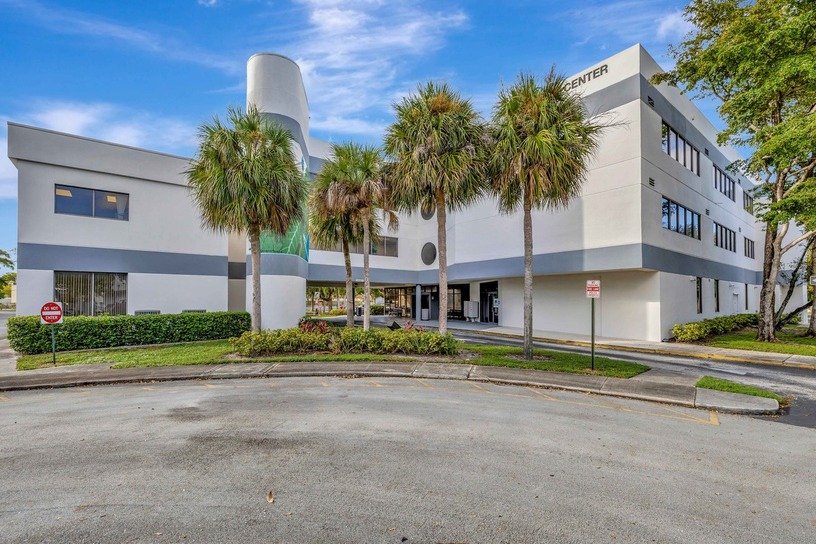
Entrance to SBMHC

Does Insurance Cover Young Adult Mental Health Treatment in Florida?

Yes, most major insurance plans cover mental health treatment for young adults in Florida. Coverage varies by plan: some require prior authorization, have copays, or limit the number of sessions. We recommend checking your specific policy details. Our team can verify your coverage and explain out-of-pocket costs upfront.

Many young adults are also covered under their parents’ insurance until age 26, thanks to the Affordable Care Act (ACA). If you’re uninsured or underinsured, we work with families to navigate insurance questions, explore payment options, and ensure cost doesn’t become a barrier to treatment. We’re here to answer your coverage questions and help you understand exactly what your plan includes.

[]
Does Insurance Cover Young Adult Mental Health Treatment in Florida?

Why Choose Sylvia Brafman for Young Adult Mental Health Treatment Near Fort Lauderdale?

When your young adult needs mental health treatment, you want expert care from practitioners who understand this critical life stage. The Sylvia Brafman Mental Health Center in Tamarac, Florida, is an accredited primary mental health facility with on-site psychiatric services, meaning comprehensive medical and therapeutic care happens under one roof.

Our expert-led team uses evidence-based approaches to treat the root causes of anxiety, depression, trauma, and other conditions affecting young adults – not just symptoms. We understand that families seeking treatment often feel lost and overwhelmed, which is why we’re transparent about our qualifications and committed to answering your questions every step of the way. Your young adult’s recovery extends far beyond treatment. Our Career Launch Program,  integrated Family Program, and 5 Lanes approach come together to support you in all areas of your life.

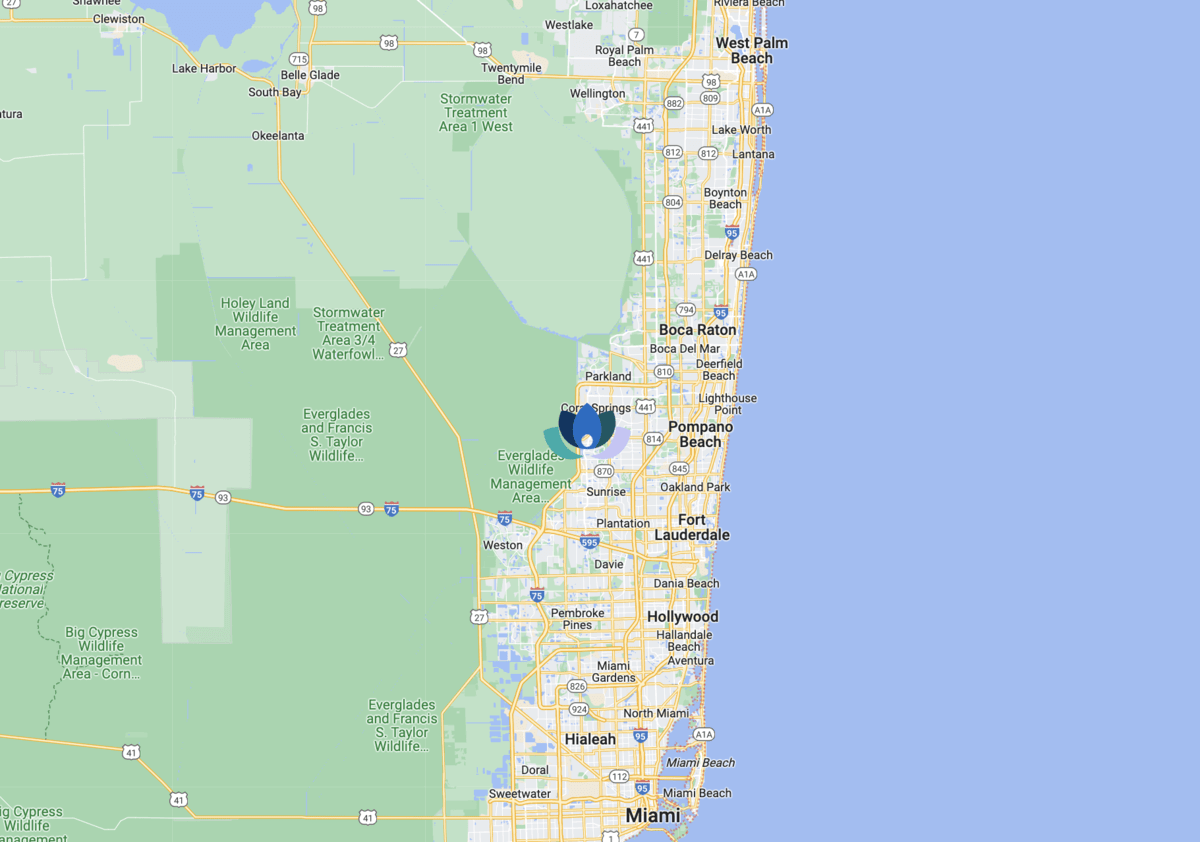
Location, environment, and accessibility matter. Our beautiful South Florida facility (7710 NW 71ST CT, Tamarac, Florida 33321) offers a therapeutic, adult-only setting where young adults connect with peers navigating similar challenges. We’re conveniently located near Fort Lauderdale and welcome out-of-state clients with comfortable accommodations. We work with a wide variety of insurance plans, removing financial barriers so cost doesn’t delay your young adult’s recovery. Whether your family is local or traveling from across the country, we’re equipped to support you.

You and your family deserve specialized, compassionate care from people who genuinely understand young adulthood. Call us today at (877) 958-9212 to speak with our patient advocates about your situation. We’ll answer your questions, verify your insurance, and help you take the first step toward meaningful change.

map-sylvia-brafman-mental-health-center-south-florida

How Sylvia Brafman Treats Young Adult Mental Health

Our approach combines clinical excellence with practical flexibility tailored to young adults. We specialize in intensive outpatient and partial hospitalization programming with housing options, giving you choice in how you receive care. You can attend intensive treatment while maintaining your job, school, or daily routine, or fully immerse yourself in our program with FARR-certified housing if that’s what you need.

This flexibility honors your independence while ensuring you get the support required for real change. Our accredited primary mental health facility is led by expert clinicians who use a comprehensive model that addresses mental health from multiple angles. On-site psychiatric services and medication management are available when needed, ensuring medical and therapeutic care work together seamlessly.

We treat the whole person, not just the diagnosis. Family involvement is central to our approach; we integrate your family into therapy, psychoeducation, and treatment planning so healing extends beyond individual sessions. We prioritize life skills building and real-world success through our Career Launch Program, personalized treatment plans, and practical support for launching independence. Our beautiful South Florida location offers a therapeutic environment where you can focus on recovery, and our adult-only setting ensures peer community with others navigating similar challenges.

We work with a wide variety of insurance plans, removing financial barriers so cost doesn’t stand between you and the help you need. For assistance navigating the nuances of your benefits, or to schedule a free mental health assessment, reach out to our team of knowledgeable patient advocates.

Can I Keep Working or Studying While in Treatment?

Yes, many young adults successfully balance work or school with our IOP treatment or traditional outpatient therapy. Outpatient sessions typically meet weekly and can be easily scheduled around your job or classes. IOP is similarly flexible, usually requiring several hours of treatment 3-5 days per week. Many of our clients continue their education or careers while receiving consistent therapeutic support.

Partial hospitalization and residential programs are more intensive and may limit work or study commitments. PHP requires 4-6 days per week of treatment, making full-time employment or school difficult. Residential treatment involves living at a facility and participating in comprehensive daily programming, which typically means stepping back from external work or academic obligations during your stay.

insurance-accepted

Types of Programs for Young Adults Seeking Mental Health Treatment

Young adults face unique challenges balancing mental health treatment with school, work, and independence. Our family of facilities offers flexible treatment levels designed to meet you where you are: from intensive structured care to outpatient support. Each program combines evidence-based therapy with practical life skills to help you thrive.

Partial Hospitalization Program (PHP)

Partial Hospitalization Program (PHP)

Partial Hospitalization Programs (PHPs) are ideal for young adults experiencing moderate-to-severe symptoms who need intensive support without overnight hospitalization. This program works well for those managing a range of conditions. Participants attend sessions five to seven days per week while maintaining their own living arrangements, allowing for stabilization alongside growing independence.

Intensive Outpatient Program (IOP)

Intensive Outpatient Program (IOP)

Intensive Outpatient Programs (IOPs) suit young adults who need strong therapeutic support but require flexibility for work or school. This level of care allows you to sleep at home while maintaining your daily responsibilities. IOPs are ideal if you’re stepping down levels of care, managing moderate symptoms, or seeking intensive treatment without a daytime hospital commitment.

Outpatient Therapy

Outpatient Therapy

Outpatient care is perfect for young adults with mild to moderate symptoms or those transitioning from more intensive treatment. This step-down option offers regular traditional therapy sessions (typically 1-3  times weekly), giving you maximum flexibility while maintaining professional support. It’s ideal for those managing stable conditions alongside school, work, or other commitments.

Virtual Care Options

Virtual Care Options

Virtual therapy benefits young adults balancing treatment with demanding schedules. Online mental health treatment sessions work well for those in school or working full-time who can’t attend in-person appointments consistently. Virtual care maintains therapeutic intensity while eliminating travel, making mental health support more accessible in your daily life.

Residential Treatment

Residential Treatment

Our South Florida facility offers PHP with integrated housing for young adults needing both intensive treatment and residential support. For those requiring traditional 24/7 residential care, we offer a residential treatment program at our Georgia location that offers comprehensive care in a structured, therapeutic space. Both combine daily therapeutic services with peer community and life skills development.

Woman grasping her head with her fingertips.

What if My Young Adult Won't Get Help?

Resistance to treatment is common among young adults, but it doesn’t mean change is impossible. Many feel defensive, skeptical, or afraid of losing independence by seeking help. If your loved one refuses treatment, avoid pressuring or shaming them; these tactics often backfire. Instead, express genuine concern, listen without judgment, and explain how treatment can actually support their goals.

Professional intervention can help when direct conversations aren’t working. We work with trained interventionists who specialize in motivating young adults to accept help. An interventionist creates a compassionate conversation to break through denial and resistance. This approach respects your young adult’s autonomy while addressing the urgency of their situation. If you’re considering this path, we can connect you with experienced professionals who understand the unique dynamics of helping young adults.

You don’t have to figure this out alone. Contact our patient advocates, who can listen to your specific situation and offer guidance tailored to your family’s needs. We can discuss whether an intervention makes sense, explain our treatments, and help you take the next step. Whether your young adult is willing to engage today or needs more time, we’re here to support your entire family through treatment.

Frequently Asked Questions About Young Adult Mental Health Treatment in Florida

Young adults often have questions about treatments, commitment levels, and how care fits into their lives. Understanding these basics helps you make informed decisions about your mental health journey. We’ve answered common questions to help you find the right level of care for your situation.

Do I Have to Do Residential Treatment First?

Do I Have to Do Residential Treatment First?

No, residential treatment is not required. Most young adults start with outpatient or IOP based on symptom severity and life circumstances. Residential treatment is reserved for those needing 24/7 care and structured support. Your treatment plan begins at the appropriate level for your needs and can be adjusted based on your progress.

What Age Range Do You Treat?

What Age Range Do You Treat?

We are equipped to treat all adults, including young adults ages 18-30. Our programs are suitable for addressing concerns relevant at the developmental stage of young adulthood, including brain development, independence, relationships, and life transitions unique to this age group.

Can I Keep My Job or Class While in Treatment?

Can I Keep My Job or Class While in Treatment?

Yes, with outpatient and IOP levels of care. Outpatient therapy fits around your schedule with weekly sessions. IOP requires 9-20 hours weekly but typically offers evening or flexible scheduling. PHP and residential programs are more intensive and may require you to step back from work or school temporarily during your stay.

How Do I Know if I Need More Than Weekly Therapy?

How Do I Know if I Need More Than Weekly Therapy?

Consider more consistent care if weekly therapy isn’t enough. Signs include worsening symptoms despite treatment, difficulty managing daily responsibilities, increased substance use, or feeling unsafe. IOP or PHP provide more frequent sessions (sometimes daily), offering intensive support when symptoms are moderate to severe. More frequent contact with therapists, psychiatrists, and peers accelerates progress and prevents crises.

How Long Does Treatment Last at Sylvia Brafman?

How Long Does Treatment Last at Sylvia Brafman?

Treatment length varies based on your needs and progress. Outpatient therapy might last months to years depending on your goals. IOP and PHP timelines vary based on your goals. Our team works with you to create a timeline, monitor progress regularly, and adjust your plan as you improve. We strive for sustainable recovery, not quick fixes.