Check Your Insurance Coverage for Treatment in South Florida

Don’t let financial concerns stand in the way of your path to improved mental wellness. At The Sylvia Brafman Mental Health Center near Fort Lauderdale, Florida, we offer comprehensive mental health treatment tailored to your needs. We also accept a wide range of insurance providers and will help you navigate the entire process so you can access the care you deserve.

This initial step is more than insurance verification; it is a meaningful first move toward reclaiming your life from mental health challenges. Contact us today to take that crucial action now, and continue reading to learn more about mental health coverage.

Insurance Verification Form

Take a moment to fill out our easy insurance verification form now and discover the types of support your health insurance can provide. This is your moment to access the expert, personalized care you deserve at The Sylvia Brafman Mental Health Center in Tamarac, FL. Your path to recovery starts here and now.

[]
The Sylvia Brafman Mental Health Center logo - Mental Health Providers in Florida

The Insurance Verification Process for Mental Health and Addiction Treatment

The simplest way to quickly verify your insurance is to call our admissions team at (877) 958-9212. The Sylvia Brafman patient advocates can collect your plan information and contact your insurance provider on your behalf to obtain your coverage details. From there, we will explain the full scope of your plan so you can understand your benefits and make informed decisions about your care.

At this time, you can also discover the various ways The Sylvia Brafman Mental Health Center can support you or your loved one. We are happy to answer any questions you may have about our services or the availability of our nearby FARR-certified housing. This is also an ideal time to schedule a complimentary mental health assessment.

What Does an Insurance Benefits Verification Involve?

Checking your insurance at The Sylvia Brafman Mental Health Center is easy and usually takes less than an hour.  An insurance benefits check doesn’t obligate you to treatment at Sylvia Brafman. It simply gives us permission to verify what your plan covers and explain how you can use your insurance for treatment.

All you need for insurance verification is:

  • A health/medical insurance card;
  • Your (or the patient’s) full legal name, DOB, and social security number (or last 4 digits); and
  • A telephone (or computer) to submit the information to us.
Helpful Articles on Some Providers We Work With

Helpful Articles on Some Providers We Work With

Not sure what your insurance will cover for mental health or addiction treatment? Here, we offer provider guides to break down common plan details. These should allow you to better understand the benefits of outpatient coverage, in-network vs. out-of-network options, prior authorizations, and other common factors that affect costs.

If your provider is not listed here, you can still reach out; our patient advocates can help you verify coverage and clarify next steps.

Does Insurance Cover Mental Health Treatment?

Yes, insurance typically covers the cost of mental health treatment. The extent of coverage varies depending on the details of your specific insurance plan and other factors. The Mental Health Parity and Addiction Equity Act (MHPAEA) mandates that insurance plans provide the same level of coverage for mental health and substance use disorder treatment as they do for treatment of physical health.

Mental health services are an essential health benefit covered by several types of programs, including those offered by employers, obtained through the Healthcare Marketplace, and acquired through Medicaid and CHIP, according to the American Psychological Association.

Some common treatment interventions that are often covered by insurance include:

Factors such as your specific insurance plan, the type of therapy or treatment needed, and the duration of the treatment can all influence the extent of coverage. It’s always advisable to carefully review these details to ensure you’re fully aware of what is and isn’t covered.

Does Insurance Cover Dual Diagnosis Treatment?

Does Insurance Cover Dual Diagnosis Treatment?

Yes, by law, private medical insurance in the U.S. covers treatment for co-occurring mental health disorders and substance abuse. Passed in 2010, the Affordable Care Act (ACA) brought substantial changes to the healthcare industry that made it much easier to use insurance for mental health and addiction treatment needs.

The ACA made it a requirement for health insurance providers to offer coverage for Substance Use Disorder (SUD) treatment. This means that using insurance for mental health and dual diagnosis care is easier than ever before. The ACA also extended the 2008 Mental Health Parity and Addiction Equity Act, which requires insurance for mental health to cover substance abuse needs equally.

No matter what private health care plan you have, you can use your insurance for mental health treatment. There is also coverage for substance use disorders (including alcohol addiction). Ideally, if you have a substance use disorder, you will want to use your private insurance for a dual diagnosis program. That way, you can use your insurance to not only address the addiction but also tackle the core mental health issues that could be driving it.

Mental health written with tiles

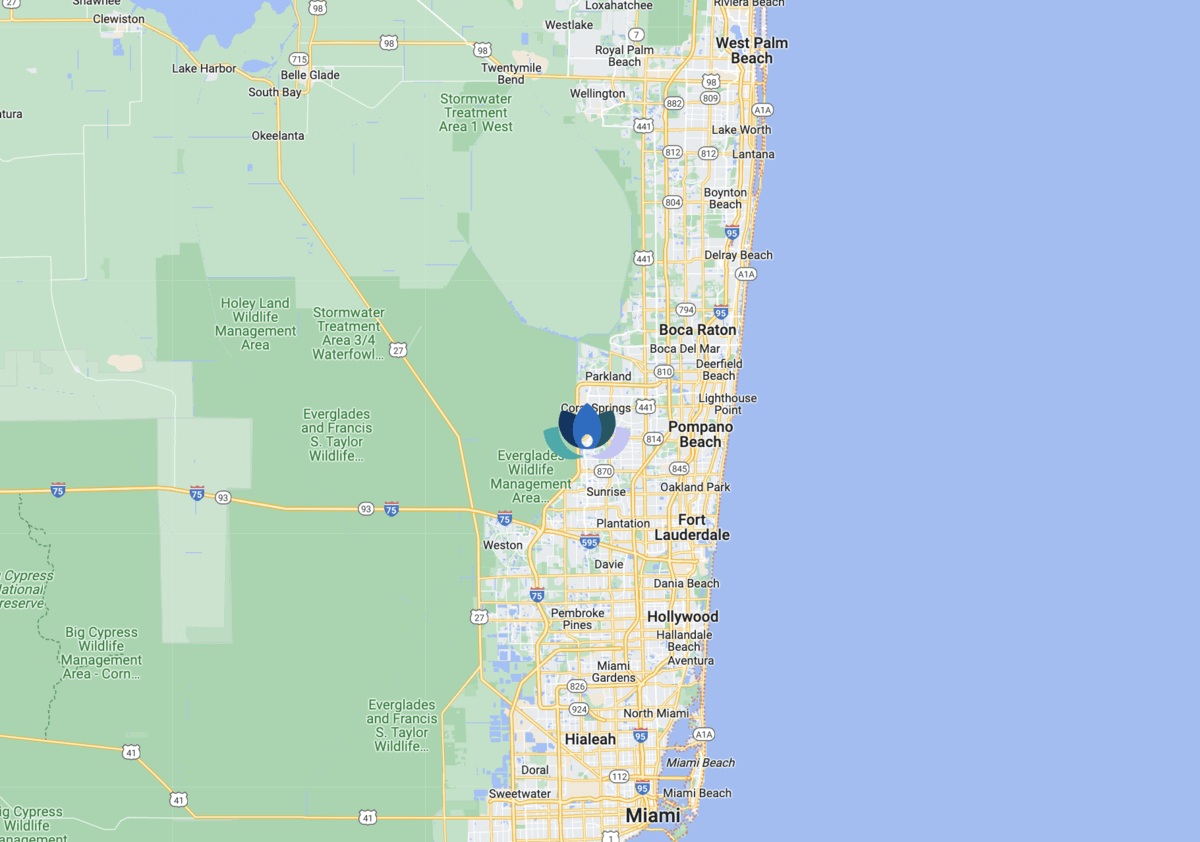
Locating Our Treatment Center in Tamarac, Florida

The Sylvia Brafman Mental Health Center is located just 20-25 minutes west of Fort Lauderdale, Florida, and specializes in providing high-quality, effective mental health care. We accept most major insurance providers and also offer nearby housing for those enrolled in our partial hospitalization program. Call us or stop by in person to ask any questions you may have.

map-sylvia-brafman-mental-health-center-south-florida

Therapy Modalities Commonly Covered by Health Insurance

Typically, insurance plans cover a broad spectrum of therapy, including those commonly used for depression, anxiety disorders, bipolar disorder, Obsessive-Compulsive Disorder (OCD), Post-Traumatic Stress Disorder (PTSD), Borderline Personality Disorder (BPD), and Substance Use Disorder (SUD).

Some modalities commonly covered include:

  • Cognitive Behavioral Therapy (CBT): focuses on identifying and changing negative thought patterns and behaviors
  • Dialectical Behavior Therapy (DBT): combines CBT with mindfulness; often used for borderline personality disorder and emotion regulation
  • Psychodynamic Therapy: explores unconscious patterns and past experiences to understand current issues
  • Interpersonal Therapy (IPT): focuses on improving relationships and social functioning, particularly for depression
  • Acceptance and Commitment Therapy (ACT): helps you accept difficult thoughts while committing to valued actions
  • Eye Movement Desensitization and Reprocessing (EMDR): uses eye movements to process traumatic memories
  • Cognitive Processing Therapy (CPT): specifically designed for PTSD, focuses on processing traumatic memories
  • Mindfulness-Based Cognitive Therapy (MBCT): combines mindfulness practices with cognitive therapy principles

At The Sylvia Brafman Mental Health Center, we can assist you in verifying your insurance coverage, ensuring you can access the necessary treatment without undue financial stress. Remember, your path to recovery is within reach, and understanding your insurance coverage is a key step in your recovery.

How to Get Insurance to Pay for Mental Health Treatment

Ensuring insurance coverage for mental health treatment or related services can be a complex process that varies depending on your insurance provider and specific plan, among other factors. To make sure you receive the necessary coverage, it’s essential to stay informed and advocate for yourself. Let’s go over some basic steps:

  • It’s important to verify your insurance coverage and know what services are included under your policy, your deductible, and your out-of-pocket expenses.
  • Find treatment centers that work with your specific insurance. For example, Sylvia Brafman works with most major insurance providers.
  • Obtain prior authorization and get referrals, which are often required by insurance carriers for addiction treatment coverage. We can assist with obtaining approval from your provider.
  • Follow the treatment plan recommended by your healthcare provider. This may involve attending counseling, joining support groups, taking medication, and using aftercare services for relapse prevention.
  • Keep track of your insurance claims and coverage to ensure your insurance company pays for the services you’re insured for. Contact them or the rehab center immediately if you notice any discrepancies or problems, as failure to do so places you at risk of being responsible for higher out-of-pocket treatment costs.

How Many Times Will Insurance Pay for Mental Health Treatment?

The number of times and the duration for which insurance will pay for treatment depend on your insurance policy details and the specific treatment facility. Some plans may cover multiple rounds of treatment if medically necessary, while others may limit the number of sessions.

In addition, the frequency with which your insurance covers treatment may also depend on your treatment progress. For example, your insurer may be more likely to cover additional treatment if you successfully complete a treatment program but then relapse. It’s important to understand the specifics of your insurance plan and what benefits are available to help pay for treatment.

Group therapy during intensive outpatient treatment at SBMHC