Mental Health Treatment Admissions & Intake Process in Tamarac, Florida

If you are experiencing persistent or worsening mental health concerns, the clinical team at The Sylvia Brafman Mental Health Center can help you choose the outpatient treatment program that best fits your needs. We understand it can be hard to ask for help, so we’ll guide you through intake and admission with compassionate, experienced support from start to finish. Take the first step today by calling us to ask about same-day assessment and admission opportunities at our Tamarac, FL outpatient facility.

What Is a Mental Health Disorder Treatment Program in South Florida?

Mental health treatment at The Sylvia Brafman Mental Health Center offers compassionate, evidence-based care tailored to your unique needs. Our interdisciplinary team combines psychotherapy, psychiatric oversight, and personalized treatment planning to help you build coping skills, reduce symptoms, and move toward a more resilient, fulfilling life.

A small section of our many offerings include:

  • Comprehensive psychiatric evaluation and ongoing medication management
  • Individual psychotherapy (CBT, DBT, trauma-focused therapies, etc.)
  • Group therapy for skill-building, peer support, and education
  • Family therapy and intervention
  • Onsite psychiatric care services and medication management
  • Narrative and experiential therapies (storytelling, expressive arts)
  • Career Launch program for vocational support
  • Case management, care coordination, and aftercare/discharge planning
  • Relapse prevention and long-term recovery planning
  • Through the Archway program addresses mental health and co-occurring substance use disorders
  • Online options for accessibility and continuity of care
  • Psychoeducation workshops and symptom-management training
  • Optional offsite and FARR-certified housing if you’re enrolled in our partial hospitalization programming

Our team works collaboratively with you to create and adjust an individualized plan that honors your goals and strengths. We focus on practical skills, emotional growth, and sustained support to promote recovery, resilience, and lasting wellness.

Mental health written with tiles
What Is an Addiction and Mental Health Treatment Program?

What Is an Addiction and Mental Health Treatment Program?

An addiction and mental health treatment program, also known as a dual diagnosis program, specializes in providing treatment for both substance use and mental health disorders. These treatment programs provide integrated care, ensuring that you receive comprehensive treatment that addresses the complex interaction between addiction and other mental health issues.

The goal of the dual diagnosis treatment program at Sylvia Brafman is to provide holistic support, therapy, and medication management (if necessary) to promote recovery and improve overall well-being when you’re managing concurrent addiction and mental health challenges. Our multidisciplinary treatment team, which typically includes medical professionals, therapists, and counselors, works together to create a personalized treatment plan that takes your unique needs and challenges into consideration.

At Sylvia Brafman, we can help you determine which treatment options are most suitable based on your symptoms. This can include services such as medication management, various therapeutic modalities, individual counseling, group therapy, and family therapy. The ultimate goal of our treatment programs is to address the underlying causes of your co-occurring addiction and mental health disorders.

What Does the Admissions or Intake Process Include?

If and when you decide to begin treatment at Sylvia Brafman for addiction or mental health disorders, you will begin the admissions process. In an initial intake session, you’ll be asked to complete forms and participate in an initial assessment before beginning our treatment program. At Sylvia Brafman, this mental health assessment is free of charge.

The intake process at Sylvia Brafman is designed to ensure a smooth, collaborative transition into one of our outpatient treatment programs. After learning about your mental health symptoms, substance abuse history, and physical and mental health status, we can determine your treatment needs and proceed accordingly.

If you’d like to learn about our available treatment options, we encourage you to contact us today at (877) 958-9212.  One of our compassionate patient advocates is here to offer information about how our same-day admissions option can support you and your mental health needs.

What Does the Admissions or Intake Process Include?

Are you ready to begin walking the path to improved mental health? At The Sylvia Brafman Mental Health Center near Fort Lauderdale, Florida, we’re here to walk beside you each and every step of the journey. We offer a variety of outpatient treatment programs, each with a tailored treatment plan designed to meet your unique set of needs. Our success stories speak volumes about our expertise and dedication. Don’t wait; reach out to us today. Either give us a call or fill out our contact form to request a callback.

"*" indicates required fields

This field is for validation purposes and should be left unchanged.
Please let us know your preferred way for us to contact you.
The Sylvia Brafman Mental Health Center logo - Mental Health Providers in Florida

Our Mental Health Treatment Center Admissions and Intake Processes Near Fort Lauderdale, Florida

While the admissions and intake processes can vary from facility to facility, The Sylvia Brafman Mental Health Center typically utilizes a standard set of steps in our admissions process. However, details may vary depending on your unique circumstances. Continue reading to learn more about what to typically expect from our outpatient mental health admissions process:

  • Initial contact and assessment: The first step is to contact SBMHC directly.  You’ll speak with a patient advocate who will ask about your current symptoms, goals, and other personal details. This information is used to determine if our outpatient programs may be a good fit for you.
  • Verification of insurance or payment options: Once we have determined that one of our programs is appropriate for your needs, we will help you verify your insurance coverage. If needed, we can explore other payment options, such as financial assistance or a payment plan.
  • Pre-admission paperwork for rehab: You may be asked to complete documentation, such as consent forms, medical release forms, confidentiality agreements, and financial or insurance-related paperwork.
  • Assessment and treatment planning: You will then be asked to participate in a thorough intake assessment during which you will have an opportunity to  ask your questions. Once this step is complete, our clinical team will then work with you to create your personalized treatment plan.
  • Scheduling and program orientation: Once the assessment is complete and the treatment plan is created, you’ll receive a schedule of therapy sessions and program activities, along with an orientation to familiarize you with the program’s structure, staff, expectations, and guidelines.
  • Therapy sessions and treatment engagement: You’ll then begin attending your scheduled therapy sessions and other activities outlined in your treatment plan. Our outpatient treatment programs typically include individual and group therapy, psychoeducation, and evidence-based interventions to address your needs and support overall recovery.
  • Ongoing progress monitoring and adjustment: The Sylvia Brafman treatment team will closely monitor your progress, evaluate the success of your treatment plan, and make necessary modifications to provide you with the best possible support and outcomes. The frequency of your therapy sessions may also be altered to meet your changing requirements.

Are There Ongoing Evaluations During the Rehab Process?

Regular evaluations are essential to Sylvia Brafman’s rehabilitation process. They are conducted before and during your treatment to assess your progress, make any necessary changes to your treatment plan, and ensure that the interventions and therapies chosen are effectively addressing your needs. These evaluations serve as checkpoints to monitor your response to treatment.

The frequency and nature of these evaluations may vary depending on your needs, the type of rehab program, and the duration of treatment, among other factors. The ongoing assessments are crucial for ensuring the treatment remains effective and relevant as you progress through recovery. Your treatment team can provide the most appropriate and tailored care to support long-term recovery by continually assessing your progress and making necessary adjustments.

Examples of ongoing evaluations commonly conducted during the rehabilitation process include, but are not limited to, the following:

Are There Ongoing Evaluations During the Rehab Process?

The Intake Assessments and Evaluations Process at SBMHC

At the Sylvia Brafman Mental Health Center, our Partial Hospitalization Program (PHP) and Intensive Outpatient Program (IOP) are a testament to our commitment to comprehensive and individualized mental health treatment. Our intake assessment and evaluation process for these programs has been meticulously designed to ensure we fully understand your unique needs and provide the most effective treatment plan for you.

Clinical Assessment

The first phase of your treatment journey is a complimentary clinical assessment. Our seasoned professionals conduct a detailed biopsychosocial assessment, delving into the intricate weave of biological, psychological, and social factors that have shaped your experience. We further enhance our understanding of your situation through trauma screening, ensuring we are equipped to address any past traumas that may be affecting your present mental health.

A critical component of our evaluation process is an educational learning assessment. We believe that everyone’s learning style is unique, and understanding yours helps us tailor our educational interventions to your needs. This thorough evaluation allows us to create an individualized problem list that serves as the foundation for your personalized treatment plan.

Medical & Psychiatric Evaluation

Next, we move on to the medical & psychiatric phase. Here, we delve into your history and conduct a thorough physical examination, considering all medical and psychiatric factors that could affect your treatment. Our medication management approach ensures any current medication regimen is optimized for your needs. A full psychiatric evaluation by our expert psychiatrists further refines our understanding of your mental health status.

Case Management

Our dedicated case managers will then conduct an in-depth assessment, culminating in a tailored treatment plan that outlines the therapies and interventions best suited to your recovery journey. A crucial part of this stage is the legal assessment, where we offer guidance and support in managing any legal issues that often accompany mental health challenges.

Aftercare Plan

Finally, we prepare an aftercare plan. This plan details the steps you need to take post-treatment to maintain the progress that you have made. This helps ensure long-term success and continued mental wellness. Treatment plan reviews are done regularly, so you are always informed about your path towards healing.

The Sylvia Brafman Mental Health Center Near Fort Lauderdale, Florida

At The Sylvia Brafman Mental Health Center, our passion for mental health treatment is mirrored in our comprehensive approach. Our innovative programs exemplify our dedication to your recovery. Reach out to us today to learn more about how we can support you on your path to improved mental wellness.

Does My Insurance Cover the Mental Health Intake Process?

Insurance coverage for mental health treatment in Florida can vary depending on factors such as your insurance plan, policy terms, and individual circumstances. While some plans may provide extensive coverage, others may have limitations or conditions that must be met. When it comes to insurance coverage for the rehabilitation process, consider the following points:

  • Insurance plans: Different insurance plans may offer varying levels of coverage for rehab treatment, including private insurance, employer-sponsored plans, Medicaid, or Medicare.
  • In-network providers: It’s common for insurance plans to have a list of preferred providers who have agreed to specific rates. If you choose to receive treatment from a rehab facility or healthcare provider that is considered “in-network,” your coverage may be more comprehensive. But “out-of-network” providers typically have higher out-of-pocket costs.
  • Prior authorization: Some insurance plans require prior authorization or pre-approval from your insurance company before treatment to ensure coverage.
  • Medical necessity: Many insurance companies consider the medical necessity of treatment. They may ask for documentation from healthcare professionals proving the treatment is necessary and meets their coverage criteria.
  • Treatment duration and type: Some insurance policies might limit the duration of treatment or the types of programs they cover. For instance, they might only pay for a particular number of days at an inpatient facility or place restrictions on the types of therapy or alternative treatment methods.
  • Co-pays, deductibles, and out-of-pocket expenses: Insurance coverage doesn’t necessarily mean you won’t have any out-of-pocket expenses. You may still be responsible for co-pays, deductibles, and more. Reviewing your policy’s cost-sharing requirements and determining any financial responsibilities is important.

How to Find a Mental Health Rehabilitation Center Near Me in South Florida

The Sylvia Brafman Mental Health Center is an accredited treatment facility with the aim of healing and empowering our patients by providing a solid understanding of their condition. We will provide powerful tools to manage your diagnosis and treatment plan, ensuring continued progress long after you exit our doors. We can conduct free addiction and mental health assessments and evaluations remotely. Call (877) 958-9212 now; our team is here to help.

If you want to see our facility for yourself, you can also visit our South Florida brick-and-mortar location:

  • The Sylvia Brafman Mental Health Center, 7710 NW 71ST CT, Tamarac FL, 33321

How Do I Get Admitted to Treatment at Sylvia Brafman?

Admission requirements for the treatment programs at SBMHC can vary. It can be helpful to consider your mental health needs and finances when choosing a treatment provider. At Sylvia Brafman, we can provide you with personalized support when you contact us directly. We can review necessary paperwork, complete an evaluation, and create your personalized treatment plan, all in collaboration with you.

Asking for help for a mental health concern takes courage. We encourage you to be honest and proactive during the rehab admissions process for your best chance at a successful recovery. Whether you are searching for “immediate admission rehab” or “24-hour emergency rehab” in South Florida, call (877) 958-9212 to speak with one of our compassionate patient advocates now.

The Rehabilitation Treatment Process and Daily Schedule at The Sylvia Brafman Mental Health Center

The treatment process and daily schedule at our outpatient treatment facility in South Florida typically combine therapeutic interventions and holistic activities to support your lasting recovery. Our treatment program usually follows a structured schedule including therapy sessions, educational activities, support group meetings, wellness activities, and personal time for reflection and relaxation.

The activities and timelines may vary depending on your personalized treatment plan. We strive to create a supportive and inclusive atmosphere to facilitate effective healing and long-term recovery. Below, you’ll find a general overview of our treatment process and daily schedule, including examples of evidence-based therapy methods commonly used:

  • Intake and Assessment: The rehab assessment process gathers information about your history, substance abuse patterns, and mental health. This helps customize your treatment plan.
  • Individual Therapy: A therapist or counselor provides one-on-one sessions. Examples of therapy methods include:
    • Cognitive Behavioral Therapy (CBT) involves identifying and changing negative thought patterns and behaviors associated with addiction.
    • Dialectical Behavior Therapy (DBT) focuses on teaching individual skills to manage emotions, improve interpersonal relationships, and increase mindfulness to address addictive behaviors and co-occurring mental health issues.
    • Motivational Interviewing (MI) is a collaborative approach aiming to increase motivation and readiness for change.
    • Eye Movement Desensitization and Reprocessing (EMDR) addresses trauma-related issues that may be contributing to one’s addiction.
  • Group Therapy: Group therapy involves small group sessions with a therapist. Examples include:
    • Psychoeducational Groups educate about addiction, relapse prevention strategies, coping skills, and life skills.
    • Process Groups focus on sharing experiences and emotions and providing mutual support.
    • Skills Building Groups teach skills to manage triggers, stress, communication, and other essential recovery aspects.
  • Family Therapy: Family therapy involves addressing family dynamics with family members or loved ones. It improves communication while supporting recovery.
  • Holistic Therapies: Many rehabilitation programs incorporate alternative methods to support overall well-being. Several effective ways to promote well-being include art and music therapy, mindfulness and meditation, and physical activities like yoga.
  • Educational Workshops cover various topics, including addiction, coping skills, relapse prevention, and nutrition, all of which are relevant to recovery.
  • Aftercare Planning includes developing strategies for maintaining sobriety, ongoing therapy, support groups, and access to community resources.

Sample Weekly Schedule at Sylvia Brafman

Time
Monday
Tuesday
Wednesday
Thursday
Friday
Saturday
Sunday
8 - 10 AM
Vitals & Medication
Meditation Group
Vitals & Medication
Meditation Group
Vitals & Medication
Meditation Group
Vitals & Medication
Meditation Group
Vitals & Medication
Meditation Group
Vitals & Medication
Meditation Group
Vitals & Medication
Meditation Group
10 AM - 12 PM
Weekend Process Group
Caseload
Recognizing Anxiety
What is Acceptance?
Caseload
Recognizing Codependency
What is Relapse?
Anger and it's Manifestations
12 - 2 PM
Psychoeducation
Spiritual Workshop
Gender Specific Groups
Name Your Beast
Relapse Prevention
Medication Management
Recognizing Depression
Triggers & Coping Mechanisms
Healthy Boundaries
All Day Activity (Beach, Mini-Golf, etc.)
2 - 3:30 PM
Sound Therapy & Breathwork
Individual TMS Therapy
Fitness & Mental Wellness
Individual TMS Therapy
Nutrition
Individual TMS Therapy
Art Therapy
Individual Trauma Therapy
Case Management
Individual EMDR Therapy
Hidden Figures: Doing the Impossible
3:30 - 4:30 PM
Daily Recap Group
Daily Recap Group
Daily Recap Group
Daily Recap Group
Daily Recap Group
Gym
Gym
5:30 - 7 PM
Gym
Gym
Gym
Family Night
Gym
Dinner & Movies
Family Style Potluck Dinner
7 - 10 PM
12-Step Meeting
NAMI Meeting
Big Book Study In-House
NAMI Meeting
12-Step Meeting
NAMI Meeting
Gym
12-Step Meeting
NAMI Meeting
Big Book Study In-House
NAMI Meeting
12-Step Meeting
Relax & Unwind
Monday
8 - 10 AM
Vitals & Medication
Meditation Group
10 AM - 12 PM
Weekend Process Group
12 - 2 PM
Psychoeducation
Spiritual Workshop
2 - 3:30 PM
Sound Therapy & Breathwork
Individual TMS Therapy
3:30 - 4:30 PM
Daily Recap Group
5:30 - 7 PM
Gym
5:30 - 7 PM
12-Step Meeting
NAMI Meeting
8 - 10 AM
Vitals & Medication
Meditation Group
10 AM - 12 PM
Caseload
12 - 2 PM
Gender Specific Groups
2 - 3:30 PM
Fitness & Mental Wellness
Individual TMS Therapy
3:30 - 4:30 PM
Daily Recap Group
5:30 - 7 PM
Gym
5:30 - 7 PM
Big Book Study-in-House
NAMI Meeting
8 - 10 AM
Vitals & Medication
Meditation Group
10 AM - 12 PM
Recognizing Anxiety
What is Acceptance?
12 - 2 PM
Name Your Beast
Relapse Prevention
2 - 3:30 PM
Nutrition
Individual TMS Therapy
3:30 - 4:30 PM
Daily Recap Group
5:30 - 7 PM
Gym
5:30 - 7 PM
12-Step Meeting
NAMI Meeting
8 - 10 AM
Vitals & Medication
Meditation Group
10 AM - 12 PM
Caseload
12 - 2 PM
Medication Management
2 - 3:30 PM
Art Therapy
Individual Trauma Therapy
3:30 - 4:30 PM
Daily Recap Group
5:30 - 7 PM
Family Night
5:30 - 7 PM
Gym
8 - 10 AM
Vitals & Medication
Meditation Group
10 AM - 12 PM
Recognizing Codependency
What is a Relapse?
12 - 2 PM
Recognizing Depression
Triggers & Coping Mechanisms
2 - 3:30 PM
Case Management
Individual EMDR Therapy
3:30 - 4:30 PM
Daily Recap Group
5:30 - 7 PM
Gym
5:30 - 7 PM
12-Step Meeting
NAMI Meeting
8 - 10 AM
Vitals & Medication
Meditation Group
10 AM - 12 PM
Anger and it's Manifestations
12 - 2 PM
Healthy Boundaries
2 - 3:30 PM
Hidden Figures: Doing the Impossible
3:30 - 4:30 PM
Gym
5:30 - 7 PM
Dinner & Movies
5:30 - 7 PM
Big Book Study-in-House
NAMI Meeting
8 - 10 AM
Vitals & Medication
Meditation Group
10 AM - 3:30 PM
All Day Activity (Beach, Mini Golf, etc.)
3:30 - 4:30 PM
Gym
5:30 - 7 PM
Family Style Potluck Dinner
5:30 - 7 PM
12-Step Meeting
Relax & Unwind

Take the first step towards healing – call us now for compassionate mental health treatment: (877) 958-9212

What Is Florida known for?

Florida is renowned for its stunning white-sand beaches and sunny weather year-round. The region is a melting pot of influences from Latin America, the Caribbean, and various other cultures, resulting in a diverse and captivating mix of traditions and cuisines. The lively nightlife, iconic art deco architecture, and sandy beaches of South Beach in Miami all exude an infectious energy that’s hard to resist.

Retirees are drawn to the area for its warm climate and laid-back lifestyle, while younger individuals are attracted to the thriving arts scene and robust economy. Florida is also home to some of the nation’s most famous sports teams, such as the Miami Dolphins and Florida Panthers. However, these teams must navigate the potential threat of hurricanes during their respective seasons.

South Florida has a stunning natural landscape adorned with verdant golf courses throughout the terrain. The Everglades, a unique and expansive wetland ecosystem, offers a glimpse into The Sunshine State’s untamed wilderness, where encounters with alligators are not abnormal. The Palm Beach area offers a serene escape on the Gulf Coast. Just south of the mainland, the collection of tropical islands known as the Florida Keys offers a slice of paradise with pristine waters and abundant marine life. Traveling a little farther north, Orlando, a vibrant metropolis, beckons with Disney World’s magical beauty and the Kennedy Space Center’s breathtaking wonders.

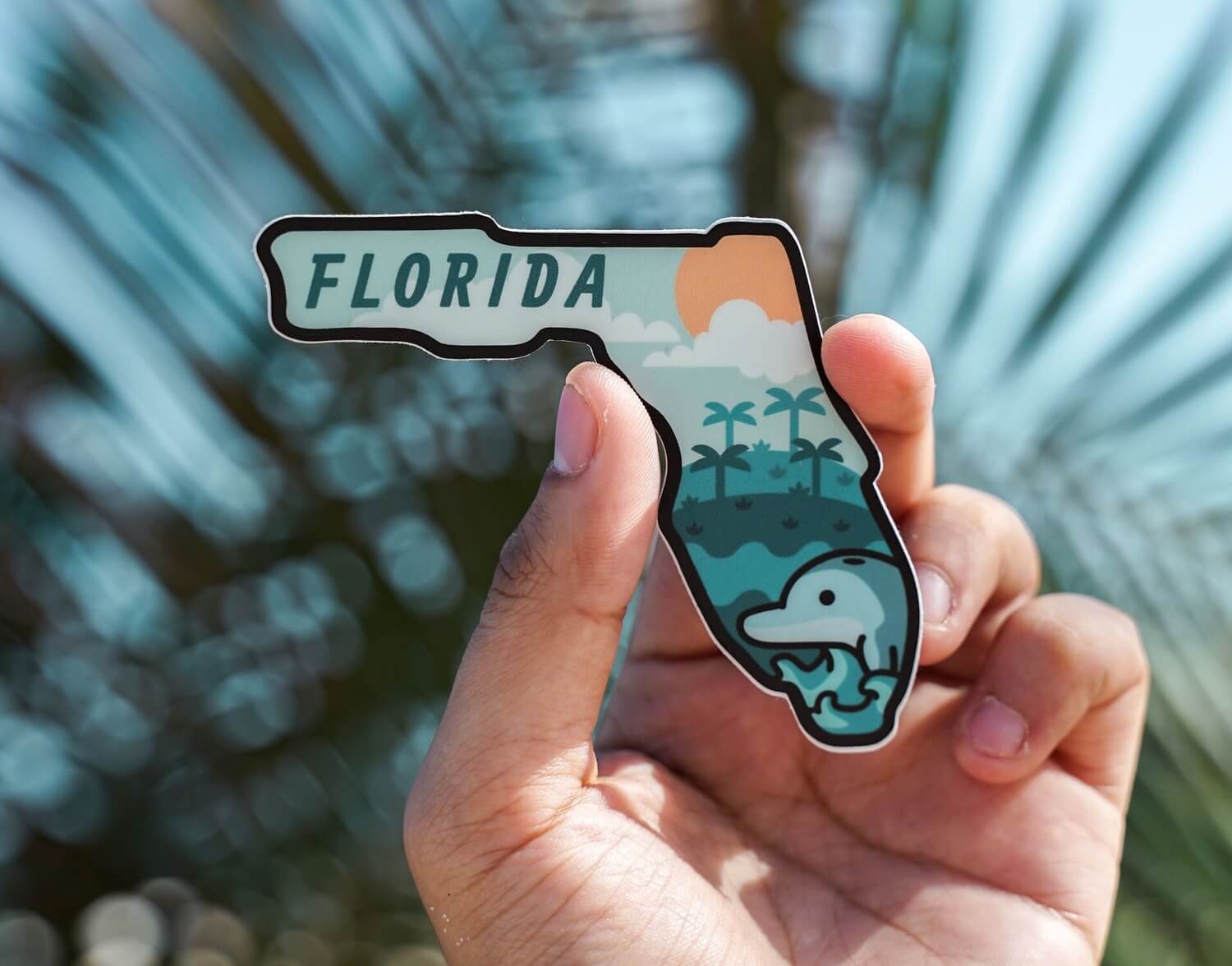
Florida sticker
Some Statistics and Information Specifically about Rehab Admissions

Some Statistics and Information About Mental Health Rehab Admissions