How to Pay for Mental Health Treatment in Florida

At The Sylvia Brafman Mental Health Center, we know beginning treatment is a big decision, and figuring out how to pay for mental health care can feel overwhelming. Our team will walk you through your payment options, including insurance coverage and self-pay, so you can focus on your well-being rather than the financial details. We offer flexible pathways for different situations, and we are here to help you move forward with clarity and confidence. Contact our patient advocates today.

[]
therapy session at a table with male therapist and female patient

How to Pay for Mental Health Treatment Without Insurance

There are several options you can consider to finance your mental health treatment or the treatment of a loved one. Financing through personal loans designed for mental health rehabilitation is one such option, enabling quick access to medical care even if you lack the resources to pay out of pocket. Some rehab facilities, understanding the financial constraints many face, offer sliding-scale fees based on your income and ability to pay. This means you may be able to access treatment at a lower cost.

Let’s explore some of the common methods for mental health payment and financing:

Personal Loans and Financing

Personal Loans and Financing

In most cases, personal loans for rehab are the best choice if you need quick medical attention but lack the resources to pay for it out of pocket immediately. You can obtain the full amount you need for treatment through mental health rehabilitation financing. It transfers this sum straight from the bank to the rehab program and offers a repayment schedule tailored to your budget once you finish treatment.

Sliding-Scale Fees

Sliding-Scale Fees

Sliding-scale fees are a payment option some rehab facilities offer to make treatment more accessible if you’re uninsured or underinsured. With sliding-scale fees, the cost is based on your income and ability to pay rather than set at a fixed price, allowing you to pay less for treatment at a rate that suits your income level.

For example, if your income falls below a certain threshold, you may qualify for a lower fee. In addition, the sliding-scale fee can be adjusted based on your financial situation, making it a more affordable option if you cannot afford the full cost of treatment.

Fundraising

Fundraising

Crowdfunding can be a viable option if you need to pay for rehab but don’t have insurance or other means of funding available. Crowdfunding involves raising funds through an online platform, such as GoFundMe or Kickstarter, where people can donate or contribute to a specific cause or project.

You can create a fundraising campaign on a crowdfunding platform and share it with your social network and community. On the page, you’ll describe your situation transparently and honestly, explain why you need funding for rehab, and set a fundraising goal. You can also share updates on your progress and express your gratitude to donors throughout the campaign.

Support From Friends and Family

Support From Friends and Family

Asking friends and family for financial help to pay for mental health or addiction treatment can be a challenging but necessary step if you’re trying to pay for rehab without insurance. While it can be hard to ask for help, it’s important to remember that seeking treatment is a courageous and important step toward recovery.

When asking friends and family for financial help, be honest and upfront about your situation. Explain why you need help and how it will be used to support your recovery. Be prepared to provide details about the cost of treatment, including any out-of-pocket expenses, deductibles, or copays.

It’s also important to respect your loved ones’ financial situations and be prepared to accept any decision they make. While some family members or friends may be willing and able to help financially, others may not have the resources or be willing to contribute.

A person at a therapy session holds up a book showing a mental health diagram

Contact Us to Discuss Payment Options

Do you have questions about how to pay for mental health treatment in Florida? Fill out our contact form and receive a callback from our helpful patient advocates. We can discuss any questions you may have about paying for mental health care and help you decide on the next steps based on your unique set of circumstances.

"*" indicates required fields

This field is for validation purposes and should be left unchanged.
Please let us know your preferred way for us to contact you.
The Sylvia Brafman Mental Health Center logo - Mental Health Providers in Florida

Does Insurance Pay for Mental Health Treatment in Florida?

Yes, insurance typically covers mental health treatment in Florida. This coverage is a result of the Affordable Care Act of 2014, which mandates that most individual and small health insurance plans include mental health services to the same extent as physical health services.

In addition, all Marketplace insurance plans must cover mental health and substance abuse services as part of their essential health benefits. These benefits encompass a broad range of treatments and services, making mental and behavioral health care more accessible for many.

Want to learn more about your insurance coverage? The team of patient advocates at The Sylvia Brafman Mental Health Center are here to help. Reach out to us today to help verify your insurance plan and discuss flexible payment options.

insurance-accepted

Does Insurance Pay for Dual Diagnosis Treatment?

Yes, insurance commonly covers dual diagnosis treatment. Dual diagnosis is a term used when one has both a substance use disorder and a mental health disorder. It’s critical to treat both conditions simultaneously for effective recovery, and fortunately, most health insurance policies cover these costs. Aetna, BCBS Florida, BHO, Carelon, Cigna, NYSHIP Mental Health, UMR and UHC are among some of the insurance providers that cover dual diagnosis treatment.

At The Sylvia Brafman Mental Health Center, we understand that navigating insurance coverage for dual diagnosis treatment can be complex. Our team is always available to guide you through each step, ensuring you understand your coverage and the options available to you.

Mental Health Treatment Centers in Florida That Take Insurance

The Sylvia Brafman Mental Health Center, a leading mental health facility in Broward County, Florida, is committed to providing comprehensive treatment for a wide range of mental health disorders. Renowned for our clinical excellence, we treat a range of conditions such as depression, anxiety, bipolar disorder, and PTSD, among others. With a team of highly qualified professionals, we ensure you understand your options for paying for mental health treatment.

We understand the importance of affordable access to mental health services. That’s why we accept insurance for all types of mental health disorder treatments, including dual diagnosis treatment.

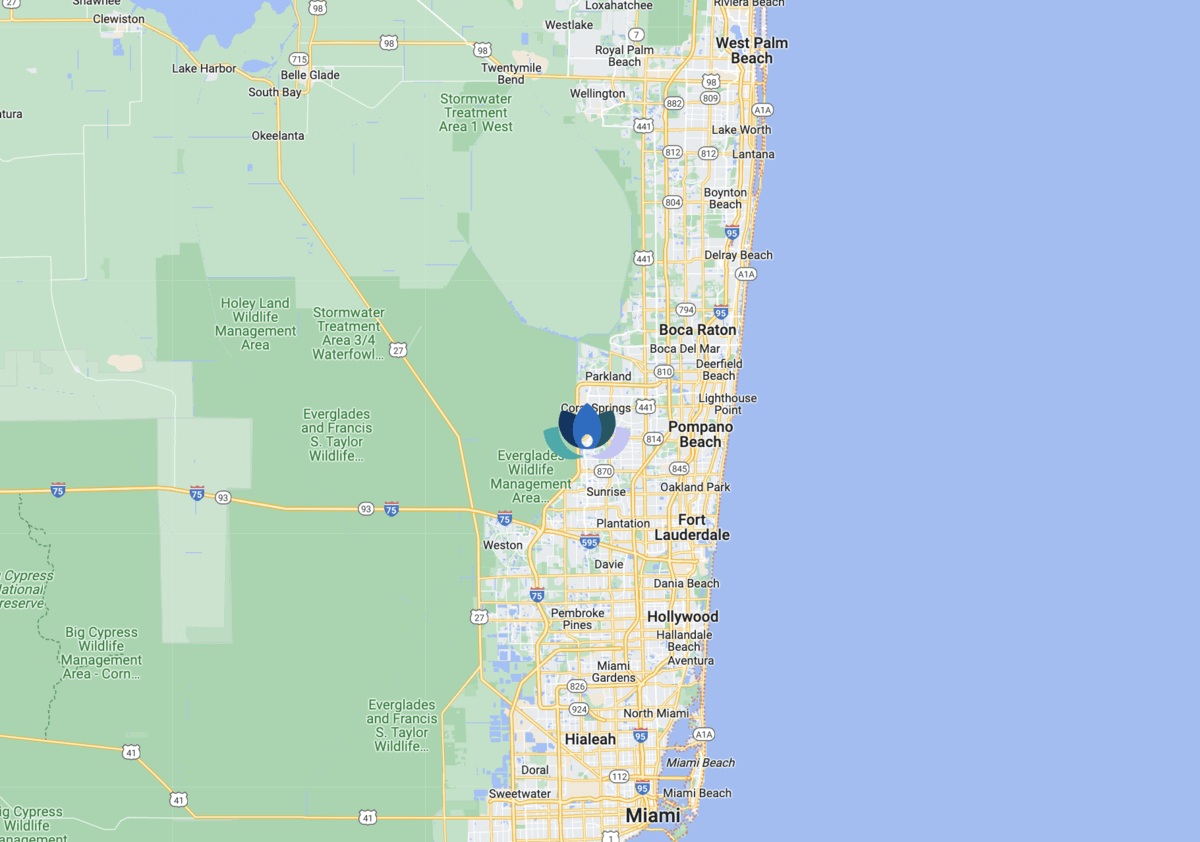
  • The Sylvia Brafman Mental Health Center: 7710 NW 71st Ct, Tamarac, FL 33321
map-sylvia-brafman-mental-health-center-south-florida

Paying For Mental Health Disorder Treatment in Florida

At The Sylvia Brafman Mental Health Center in Florida, we understand the financial concerns involved in determining how to pay for mental health treatment. Our team can help you explore how to pay for depressionanxiety disorders, and psychiatric treatment, ensuring you are aware of all affordable care options.

Our experienced financial team works closely with you to explore customized solutions and navigate various payment methods and insurance options. Whether you’re curious about how to pay for counseling in Florida or seeking strategies on paying for more intensive forms of mental health treatment, our specialists provide clear, actionable advice.

We believe that transparent financial planning is key to accessing quality mental health care. Our center is committed to empowering you with the information you need to make informed decisions about your treatment options. Contact us today to learn more about our tailored treatment plans and discover how we can help you overcome cost barriers in Florida.

How to Admit to a Mental Health Facility if You Can't Afford to Pay

In addition to financing, sliding-scale fees, and crowdfunding, there are other options available to you. Navigating these options can be challenging, but remember, seeking treatment is a courageous step towards recovery. Let’s explore some other external solutions you may have access to.

Employee Assistance Programs (EAPs)

Employee Assistance Programs (EAPs)

If employed, your company may have an Employee Assistance Program (EAP) that may include employer-provided benefits for rehab. EAPs are frequently created to provide tools and support to help employees address personal or professional concerns. Reach out to your human resources department to learn more about these programs.

Faith-Based Programs

Faith-Based Programs

Faith-based organizations are religious groups or institutions that provide addiction treatment and rehabilitation services grounded in their religious beliefs and values. These organizations may use a variety of approaches to treatment, including traditional counseling, group therapy, and spiritual support.

In addition, faith-based rehab programs also provide an alternative to traditional medical models of addiction treatment, which may not resonate with everyone. They typically focus on providing a holistic approach to treatment, addressing addiction’s spiritual, emotional, and physical aspects. In addition, these programs often incorporate prayer, meditation, and other religious practices as part of the recovery process.

An advantage of faith-based rehab programs is the sense of community and support they offer. You may find comfort and strength in connecting with others who share your beliefs and values.

Community-Based Groups

Community-Based Groups

Community clinics are healthcare facilities that provide primary and preventive care services within a specific geographic area or community. These clinics can also offer mental health treatment to those in need. Community mental health clinics may offer various services, including outpatient counseling, medication management, group therapy, and case management. These services may be provided by licensed therapists, social workers, and other healthcare professionals trained in addiction treatment.

One advantage of seeking mental health treatment through community clinics is that they’re often more accessible and affordable than traditional mental health centers. In addition, community clinics may offer sliding-scale fees or accept Medicaid and other government-funded insurance programs, making it easier to navigate paying for mental health therapy programs.

Grants & Scholarships

Grants & Scholarships

Grants and scholarships can be valuable sources of funding for substance abuse and mental health treatment. The Substance Abuse and Mental Health Services Administration (SAMHSA) offers a variety of grant programs for mental health and addiction treatment, including grants from state and local governments, tribal communities, and non-profit organizations. These grants can be used to fund a range of services, including prevention, treatment, and recovery support.

Subsidized Coverage

Subsidized Coverage

Subsidized coverage for mental health treatment refers to government-funded or partially funded insurance programs that cover addiction treatment services. An example of a subsidized coverage program is Medicaid, a government-funded insurance program that offers a range of mental health and addiction treatment services for low-income individuals and families.

The specific services covered may vary by state, so check with your state’s Medicaid program to determine eligibility and coverage.

A couple talking with a therapist during admission to mental health treatment

Is It Worth Paying for Mental Health if You Don’t Have Insurance?

Yes — we know that paying for mental health without insurance can be difficult, often involving a significant financial commitment. However, if you’re struggling with your mental well-being, seeking professional support can be a critical step towards an overall healthier, happier life.

Seeking effective treatment can help reduce the associated costs of continued, long-term support. Untreated mental health disorders can have significant long-term physical, emotional, and financial consequences. Here are a few examples of long-term hidden costs:

  • Medical Costs: Mental health disorders and addiction can lead to various health problems, including liver disease, heart disease, respiratory problems, and mental health issues. Treating these health problems, including hospitalization, medication, and ongoing medical care, can be expensive.
  • Legal Costs: Substance abuse and untreated mental health concerns can lead to legal problems, such as arrests, fines, and legal fees. These costs can add up quickly and have long-term consequences, including a criminal record that can impact employment opportunities and financial stability.
  • Lost Income: Mental health and substance use disorders can also lead to lost productivity and missed workdays, impacting income, job stability, and financial stability.
  • Relationship Costs: These issues can strain personal relationships, leading to divorce, separation, or loss of social support. This can impact mental health and financial stability, including the need to pay for child support or alimony.
  • Cost of Substance Abuse: Purchasing drugs or alcohol can add up quickly, especially if the addiction progresses. This can lead to financial difficulties, including the inability to pay bills, maintain housing, or meet basic needs.

Guide to Paying for Mental Health Treatment in Florida

Guide to Paying for Mental Health Treatment in Florida

Looking for clarity on ways to cover mental health care in Florida? These quick guides explain payment options for common conditions and services, from ADHD and PTSD to therapy, IOPs, PHPs, residential treatment, and psychiatry, so you can compare choices and plan your next step with confidence.

If you are looking to get into a mental health treatment center near you, get in touch with our patient advocates today. Let us help demystify the process of paying for mental health treatment in Florida, and guide you through your options. Your journey to recovery is as important to us as it is to you.

With our passion, expertise, and commitment to your well-being, you’re in safe hands at The Sylvia Brafman Mental Health Center. Don’t let financial worries stand in your path to mental wellness. Call us now, and let’s explore your options for paying for mental health treatment together.