
How Much Does Transcranial Magnetic Stimulation (TMS) Cost Without Insurance in Florida?

The cost of transcranial magnetic stimulation varies widely. Let’s explore some of the factors influencing your out-of-pocket TMS cost, how to access financial assistance for mental health disorders, and gain insights into all of your questions related to TMS costs with and without insurance.

What Are the Average Out-of-Pocket Costs for TMS Therapy in Florida?

If you don’t have insurance coverage, a single course of Transcranial Magnetic Stimulation (TMS) therapy in Florida can vary between $6,000 and $12,000. Generally, a TMS course consists of 5 weekly sessions over 4-6 weeks. However, the duration of treatment depends on your individual response rates and the specific treatment plan recommended by your healthcare provider.

At The Sylvia Brafman Mental Health Center, we’re committed to financially accessible mental healthcare. Call 877-958-9212 to accurately assess your potential expenses associated with transcranial magnetic stimulation costs in Florida.

Find Out What TMS Therapy Could Cost for You

At The Sylvia Brafman Mental Health Center in Tamarac, Florida, our team of dedicated professionals is ready to help you live your best life. We have a variety of comprehensive programs, each uniquely designed to meet your needs. To learn more, either call us or fill out our contact form to request a callback.

"*" indicates required fields

This field is for validation purposes and should be left unchanged.
Please let us know your preferred way for us to contact you.
The Sylvia Brafman Mental Health Center logo - Mental Health Providers in Florida

What Determines the Cost of a Transcranial Magnetic Stimulation Therapy Program in Florida?

The cost of a Transcranial Magnetic Stimulation (TMS) therapy program in Florida varies according to several factors. Understanding what determines these treatment costs is essential when seeking TMS treatment, as it allows you to manage mental health conditions effectively. Here are some key factors that influence the expense of TMS therapy programs:

  • Severity and type of condition: The severity and type of mental health disorder being treated, such as depression, anxiety, or PTSD, can impact the complexity and duration of the treatment program, thus affecting the overall cost.
  • Program Duration: TMS programs typically involve several sessions over multiple weeks. The duration of the program can vary based on your individual needs and treatment response, with longer programs typically costing more.
  • Intensity of Treatment: Some TMS programs may offer more intensive treatment protocols, such as higher-frequency or longer sessions, which may be more expensive.
  • Medical Services and Staff Expertise: The quality of medical services and the expertise of the staff administering TMS therapy can affect the program’s overall cost. Facilities with highly trained, experienced staff may charge higher fees for their services.

Only certified TMS personnel can administer TMS, necessitating practical training, formal safety instruction, and emergency response training. This adds to the overall cost.

  • Facility Amenities and Accommodations: The amenities and accommodations provided by the treatment facility, such as private rooms, recreational activities, and additional support services, can impact the program’s cost.
  • Location: The treatment facility’s location can also influence the cost of TMS therapy programs. Facilities in urban areas or areas with higher living costs may charge more for their services.
  • Insurance Coverage: The extent of insurance coverage for TMS therapy can significantly impact your out-of-pocket TMS costs.

Considering and discussing these factors with the treatment facility can help you make informed decisions about pursuing TMS therapy. When exploring TMS therapy programs in Florida, it’s essential to inquire about pricing, payment options, and insurance coverage. At The Sylvia Brafman Mental Health Center, we understand these budget-conscious considerations and strive to deliver financially accessible, value-driven care.

Ways to Pay For TMS Treatment in Florida

Ways to Pay For TMS Treatment in Florida

Paying for Transcranial Magnetic Stimulation (TMS) treatment can be a significant concern when you’re seeking this therapy to manage a mental health disorder. Fortunately, there are various ways to cover the costs of TMS treatment, ensuring access for those in need. Here are some common methods:

  • Health Insurance: Many health insurance plans offer some coverage for TMS therapy, depending on the specific policy and other factors. Inquire with your insurance provider to understand these coverage options and other details.
  • Out-of-Pocket Payment: If you don’t have insurance coverage or your insurance does not cover TMS treatment, you may have the option to pay for the therapy out of pocket if this is within your financial means.
  • Sliding-Scale Fees: Some providers offer sliding-scale fees for TMS based on your income and financial situation, helping ensure reasonable costs for mental health treatment.
  • Payment Plans: Many programs offer payment plans to help spread out the cost of TMS treatment over time. Payment plans typically involve making regular, cost-efficient installments until the total balance is paid off.
  • Employee Assistance Programs (EAPs): Some employers offer EAPs that provide financial assistance or coverage for mental health treatments, including TMS therapy. Ask your human resources department to determine if TMS therapy is covered under their EAP.
  • Government Assistance Programs: Government assistance programs like Medicaid or Medicare may provide low-cost TMS therapy for eligible individuals. Explore your eligibility and coverage options through these programs to help offset treatment costs.
  • Family Support: Your family members may be able to offer financial assistance to help cover the costs of TMS treatment, particularly if they recognize the importance of mental healthcare for your well-being.
  • Scholarships or Grants: Some TMS providers and clinics offer scholarships or grants when you demonstrate a financial need or meet specific criteria. Contact providers directly to ask about this option.

Mental Health Treatment Centers in Florida That Offer Financial Flexibility for Mental Health Therapy

Exploring the cost of mental health treatment options in Florida can be daunting, especially when considering innovative therapies like Transcranial Magnetic Stimulation (TMS) that may come with a significant financial commitment. However, many treatment centers, like The Sylvia Brafman Mental Health Center, understand the importance of affordability when it comes to mental healthcare.

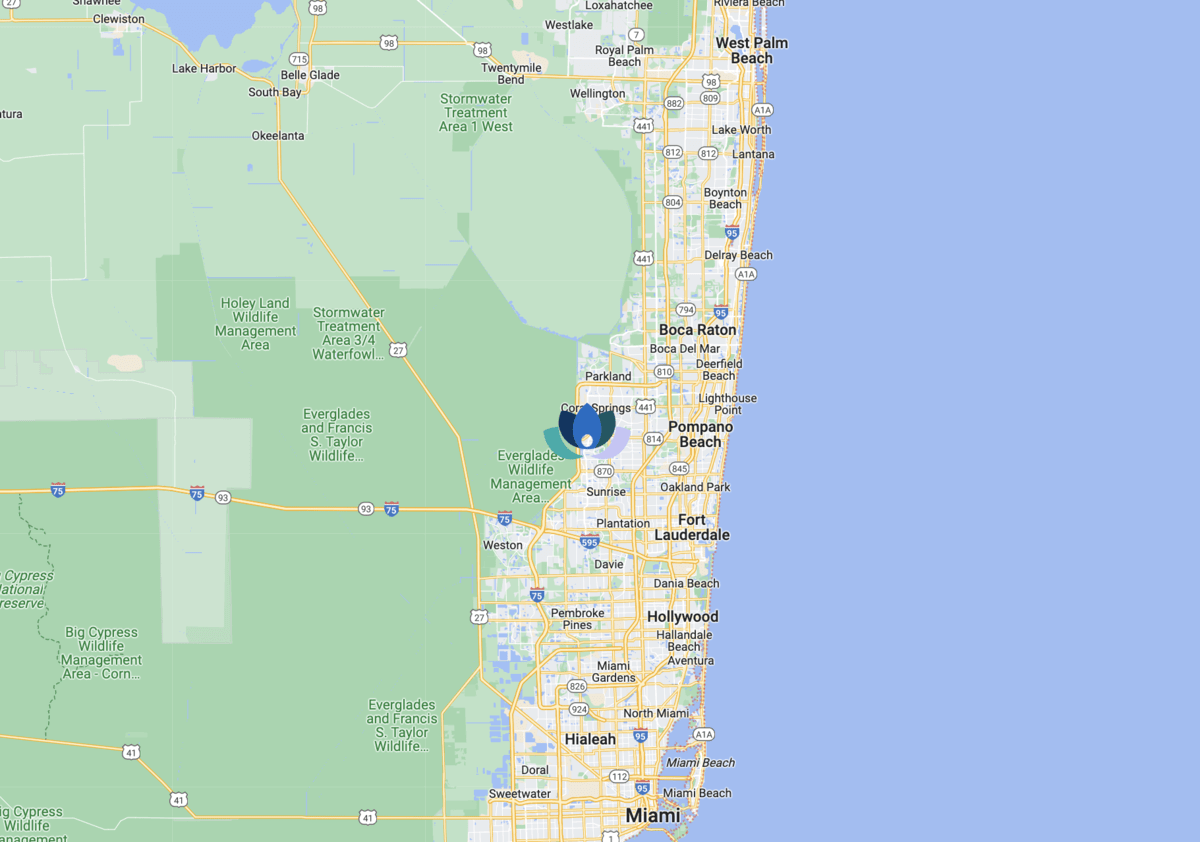
We offer solutions for those without insurance coverage or limited financial means. If you’re considering TMS or other therapy options but are cost-conscious, please don’t hesitate to call 877-958-9212. Our compassionate patient advocates can help you determine a budget-friendly fee structure for your specific needs. You can also visit us at the address below:

map-sylvia-brafman-mental-health-center-south-florida

How Much Do Florida Transcranial Magnetic Stimulation Therapy Programs Cost With Health Insurance?

The cost of Transcranial Magnetic Stimulation (TMS) therapy programs in Florida with health insurance coverage varies depending on several factors, including the insurance policy, coverage limitations, and the condition being treated. For example, while some insurance plans may cover some of the costs associated with TMS therapy, others may only provide benefits for TMS and Major Depressive Disorder (MDD).

It’s essential to fully understand your coverage options and any out-of-pocket expenses that you may be responsible for. Our knowledgeable patient advocates at 877-958-9212 are happy to assist with this. We can provide guidance and support in navigating the insurance process, ensuring access to the care you need while maximizing your benefits. If you’re considering TMS therapy and have questions about our admissions process or your insurance coverage, don’t hesitate to contact us for personalized assistance.

TMS Treatment Stats

TMS Treatment Stats

  • In a study combining psychotherapy and TMS treatment for treatment-resistant major depressive disorder, the response rate and remission rate were 66% and 56%, respectively. These findings suggest that TMS can effectively augment psychotherapy in treatment-resistant depression, offering promising prospects for achieving remission.
  • Ten years of TMS clinical trials and data indicate that treatment response varies based on age and diagnosis.
  • Florida State University (FSU) secured a $1.44 million grant from the U.S. Department of Defense (DoD) to enhance non-invasive brain stimulation technology for treating Post-Traumatic Stress Disorder (PTSD).
  • A 2019 study highlighted the potential of transcranial magnetic stimulation to reduce excessive nerve cell activity in the prefrontal cortex associated with anxiety.
  • Approximately 60% of patients with treatment-resistant depression demonstrate positive responses to TMS therapy.
  • Combining TMS with cognitive processing therapy exhibited practical, long-lasting therapeutic effects in treating PTSD, as demonstrated in a 2018 trial.
  • An analysis of randomized trials in major depression patients found that active TMS treatment had a higher incidence of headaches and scalp pain compared to placebo, but no reports of migraine headaches were noted.
  • Certain medical conditions, such as having metal in the head or a history of epilepsy, may make individuals unsuitable candidates for TMS treatment. These include deep brain stimulators, cochlear implants, and facial tattoos containing metallic ink.
  • A meta-analysis of 34 randomized trials involving 1383 patients with treatment-resistant major depression revealed greater improvement with active TMS treatment compared to placebo.