Borderline Personality Disorder (BPD) Treatment in South Florida

The Sylvia Brafman Mental Health Center is a leading provider of evidence-based mental health care for Borderline Personality Disorder (BPD) in Broward County. We understand that managing BPD is daunting, which is why we have designed a program that rivals the intensity of residential treatment. Our comprehensive approach combines psychiatric stabilization, medication management, and specialized Dialectical Behavior Therapy (DBT) immersion within a supportive, community-based setting. Call now or continue reading to learn more.

Recognizing the Signs of BPD: When to Seek Treatment

The signs and symptoms of Borderline Personality Disorder (BPD) can vary from person to person. While everyone experiences mood swings, the emotional shifts in BPD are intense, rapid, and often difficult to return from without support. A formal diagnosis and personalized treatment plan are essential.

BPD symptoms typically include the following characteristics and behaviors:

Common Symptoms of BPD

Common Symptoms of BPD

  • Fear of Abandonment: Going to extreme lengths to avoid real or imagined separation.
  • Unstable Relationships: Idolizing a person one moment and devaluing them the next (also known as “splitting”).
  • Identity Disturbance: A rapidly changing sense of self, goals, or values.
  • Impulsivity: Engaging in risky behaviors (spending, substance use, reckless driving) that are potentially self-damaging.
  • Recurrent Self-Harm: Suicidal behavior, gestures, threats, or self-mutilating tendencies.
  • Emotional Instability: Intense mood swings lasting from a few hours to a few days (e.g., intense dysphoria, irritability, or anxiety).
  • Chronic Emptiness: A persistent feeling of hollowness or numbness.
  • Inappropriate Anger: Difficulty controlling temper or constant anger.
  • Paranoid Ideation: Transient, stress-related paranoid thoughts or severe dissociative symptoms.

Understanding the BPD Subtypes We Treat At Our South Florida Center

Borderline personality disorder is not a “one-size-fits-all” diagnosis. At The Sylvia Brafman Mental Health Center, we tailor our clinical approach based on how the disorder specifically manifests in your life. While the DSM-5 does not recognize specific subtypes of BPD, many mental health professionals do. We specialize in treating the full spectrum of BPD subtypes:

1. The Quiet or High-Functioning Borderline

The “Quiet” or High-Functioning Borderline

Unlike the stereotype of BPD involving loud outbursts, this subtype, also referred to as “acting in,” directs intense emotions inward. You may meet all the diagnostic criteria, but hide your pain behind a mask of competency.

  • The Struggle: You likely suffer from severe self-blame, social isolation, and “internalized” episodes of self-hatred, all while appearing calm or successful to the outside world.
  • Our Approach: We provide a safe space to lower the mask and give a voice to the silent pain you’ve been carrying alone.

2. The Petulant Borderline

The Petulant Borderline

This subtype, also known as “acting out” BPD, is often driven by a deep fear of being controlled or invalidated. It is characterized by outward expressions of anger, irritability, and defiance.

  • The Struggle: You may find yourself reacting to emotional fluctuations with passive-aggressive behavior or explosive outbursts, often damaging the relationships you desperately want to keep.
  • Our Approach: We use distress tolerance skills to help you cool your emotional temperature and express your needs without conflict.

3. The Impulsive Borderline

The Impulsive Borderline

This subtype is characterized by a propensity for risky behavior to numb internal emptiness or to feel “alive.”

  • The Struggle: You may struggle with impulse control, leading to reckless actions such as excessive spending, substance abuse, binge eating, or impulsive sexual encounters.
  • Our Approach: Our dual diagnosis track helps break the cycle of thrill-seeking and stabilizes the dopamine-seeking behaviors that put your safety at risk.

4. The Discouraged Borderline

The Discouraged Borderline

Discouraged borderline is often misdiagnosed as major depression. This subtype is characterized by a tendency to internalize emotional turmoil, resulting in pervasive feelings of emptiness and intense self-doubt.

  • The Struggle: You may not display aggression, but you struggle deeply with “clinginess,” codependency, and a terrified compliance to avoid abandonment.
  • Our Approach: We focus on building your core sense of self (identity-building) so you can stand on your own two feet without relying on others for stability.

5. The Exhibitionist Borderline

The Exhibitionist Borderline

This subtype involves attention-seeking behaviors used as a defense mechanism against invisibility.

  • The Struggle: You may tend toward dramatic, seductive, or manipulative behaviors to validate your existence. While you may appear extroverted and captivating, this often masks a deep, painful fear of being alone.
  • Our Approach: We help you find authentic self-worth that doesn’t rely on the constant validation or attention from others.

Woman covering her eyes while battling mental health issues

Expert Insight: What is BPD & How Do We Treat It?

In this candid discussion, our Chief Clinical Officer, Ben Brafman, breaks down the complex mix of neurosis and psychosis that defines Borderline Personality Disorder (BPD). He explains why BPD is often called the “emotional burn victim” disorder and how our clinical team approaches the unique challenges of treatment.

Key Takeaways From the Video

Key Takeaways From the Video

  • [00:30] The Neurosis/Psychosis Mix: Ben explains how BPD straddles the line between anxiety/depression (neurosis) and paranoia/distrust (psychosis), making it a uniquely challenging diagnosis.
  • [02:50] The Roots of BPD: Discussion on how chemical imbalances combined with early environmental messages create the disorder.
  • [04:40] “The Empty Core”: Why BPD patients are often highly intelligent and sensitive to social cues; they have to be to compensate for a chronic feeling of internal emptiness.
  • [05:27] Our Treatment Approach: How SBMHC uses a combination of DBT and CBT to “turn down the volume” on depression and anger, building small wins that lead to long-term stabilization.

Inquire About Our BPD Treatment & Housing Availability

Ready to take the first step? The Sylvia Brafman Mental Health Center offers an IOP or PHP with comfortable accommodations in South Florida. From our gender-specific housing to our dedicated DBT clinical tracks, we provide the structure you need to heal. Request a callback from our team of patient advocates by submitting your details on our contact form.

SBMHC - Sylvia Brafman Mental Health Center logo

"*" indicates required fields

This field is for validation purposes and should be left unchanged.
Please let us know your preferred way for us to contact you.

Sylvia Brafman's "5 Lanes" Approach to BPD Recovery

Recovery from Borderline Personality Disorder (BPD) requires more than just talk therapy. It requires a total lifestyle reset from several different angles. Our proprietary 5-Lanes system ensures every aspect of your well-being is addressed. Let’s review the 5 different approaches we take to wellness:

1. The Clinical Lane

You’ll engage in daily group and individual therapy sessions (including DBT and CBT) to build emotional resilience and process the “root cause” of your pain.

2. The Psychiatric Lane

Our medical director provides comprehensive evaluations and medication management to help stabilize mood swings and reduce impulsivity, creating a steady foundation for therapy to work.

3. The Vocational Lane (Career Launch)

This is crucial for BPD stability. Instability in work or school is a common struggle for those with BPD. Our unique Career Launch program helps you identify your strengths, build a resume, and practice professional boundaries, ensuring you have a purpose-driven path to return to after treatment.

4. The Spiritual Lane

Our “Through the Archway” philosophy helps you move from a place of emptiness (a common BPD symptom) to a place of connection, meaning, and self-worth.

5. The Medical & Wellness Lane

Physical health impacts mental health and vice versa. Our program includes nutritional guidance, sleep hygiene (critical for mood regulation), and physical wellness activities to restore your body’s natural rhythm.

Our Progressive Treatment Programs: From Crisis to Independence

If you’re seeking the immersion and safety of a residential BPD treatment center in Florida, our Partial Hospitalization Program (PHP) with supportive housing offers the ideal alternative to round-the-clock inpatient care. This comprehensive track provides 24/7 structure and gender-specific housing, allowing you to focus entirely on stabilization.

Unlike a sterile hospital setting, our model empowers you to practice emotional regulation in a supportive, real-world community. This is often the missing link in sustainable BPD recovery. As you build “emotional skin” and stability, you seamlessly transition into our Intensive Outpatient Program (IOP) before beginning traditional outpatient therapy. This step-down approach is critical for preventing relapse; it allows you to gradually reintegrate into work, school, and family life while still having a clinical safety net. By the time you complete the full continuum of care, your mental health won’t just be “managed”; you will be ready to live independently, equipped with the skills to handle life’s stressors without spiraling.

therapy session with therapist and patient sitting across from each other in separate chairs

Our Evidence-Based Clinical Therapies for BPD

At The Sylvia Brafman Mental Health Center, we move beyond generic talk therapy. Our clinical model uses the most effective, research-backed modalities designed specifically to treat the emotional dysregulation and trauma at the core of BPD. Here are just a few of the therapeutic modalities we employ in our BPD treatment:

Dialectical Behavior Therapy (DBT): The Gold Standard

Dialectical Behavior Therapy (DBT): The Gold Standard

We don’t just “use” elements of dialectical behavior therapy; we implement the full framework developed by Dr. Marsha Linehan. This includes individual therapy, group skills training, and phone coaching to help you navigate crises in real-time. Our program focuses on the four core modules of DBT:

  • Mindfulness: Learning to observe thoughts and emotions without judgment.
  • Distress Tolerance: Building the capacity to survive a crisis without resorting to self-harm.
  • Emotion Regulation: Techniques to reduce vulnerability to intense mood swings.
  • Interpersonal Effectiveness: Tools to ask for what you need and set boundaries without damaging relationships.

Eye Movement Desentization and Reprocessing (EMDR)

Eye Movement Desensitization and Reprocessing (EMDR)

Because BPD is often rooted in past trauma, we utilize Eye Movement Desensitization and Reprocessing (EMDR). This trauma-focused therapy helps process traumatic memories so they no longer trigger intense emotional reactions in the present, allowing your “emotional skin” to heal.

Family-Focused Therapy (FFT)

Family-Focused Therapy (FFT)

BPD doesn’t just affect the individual; it impacts the whole family system. Our family track helps loved ones understand the diagnosis, learn how to de-escalate conflicts, and rebuild trust. By improving communication at home, we create a stable environment that supports long-term recovery.

Holistic & Expressive Therapies

Holistic & Expressive Therapies

We believe recovery requires finding new ways to express pain that words cannot capture.

  • Music & Art Therapy: Creative outlets that allow patients to process complex emotions non-verbally.
  • Equine-Assisted Psychotherapy: Interacting with gentle horses can mirror behaviors and support emotional regulation.
  • Transference-Focused Psychotherapy (TFP): A psychodynamic approach that helps clients understand how they transfer past feelings onto present relationships.
  • Acceptance and Commitment Therapy (ACT): Helping clients identify their core values and commit to actions that align with them, rather than being ruled by fleeting emotions.

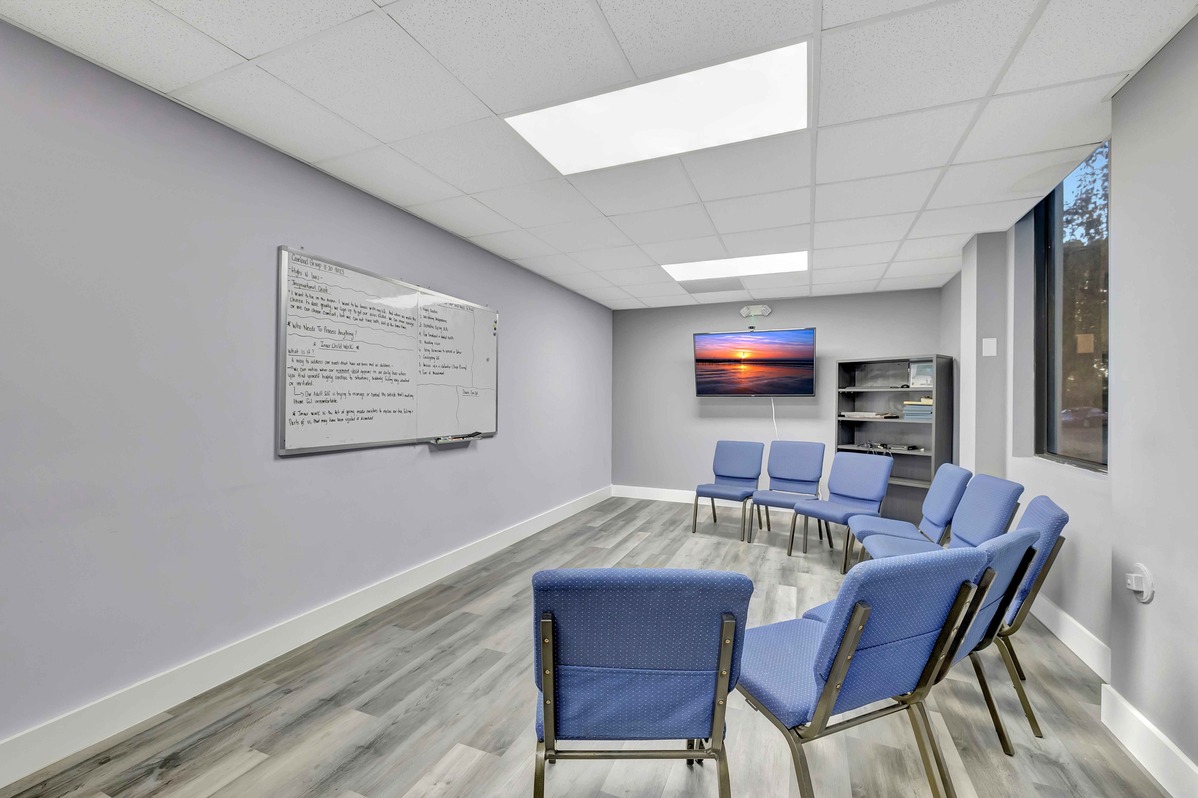
Clinical therapy room at our mental health facility in Tamarac, Florida

A Sanctuary for Healing in Broward County

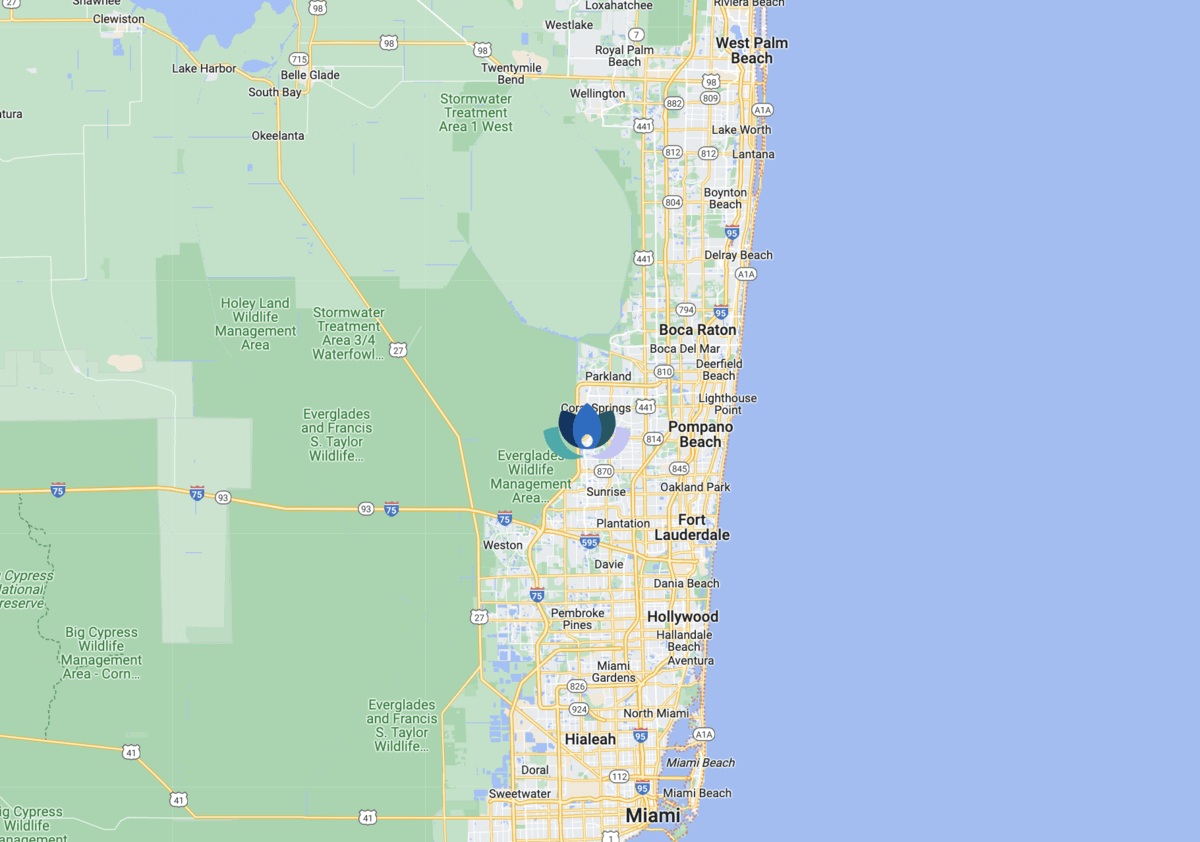
Recovery is hard work, and your environment plays a critical role in your success. The Sylvia Brafman Mental Health Center is conveniently located in Tamarac, FL, serving families from Fort Lauderdale, Boca Raton, across South Florida, and beyond the Sunshine State.

Unlike sterile, hospital-like settings, our center and nearby supportive housing are designed to foster connection and community. We believe that BPD recovery happens best in a space that feels like home, not an institution.

The Bloom of Recovery

The “Bloom” of Recovery

Our facility and local housing options offer the amenities needed to restore your physical and mental rhythm. Let’s explore some of the many offerings that Sylvia Brafman brings to the table:

  • Community Spaces: Comfortable lounge areas and communal kitchens designed to encourage social interaction and practice interpersonal skills in real-time.
  • Wellness Focused: Access to fitness areas and spaces for yoga or meditation, supporting the “physical lane” of your recovery.
  • Primary Mental Health Focus: Unlike many Florida centers that are primarily addiction rehabs, SBMHC is a primary mental health facility. You will be surrounded by peers navigating similar struggles, creating a safer, more relevant peer group for addressing BPD.

map-sylvia-brafman-mental-health-center-south-florida

Admissions & Insurance: Removing the Barriers to Care

We understand that navigating mental health coverage can be overwhelming, especially when you are in crisis. At The Sylvia Brafman Mental Health Center, we believe financial barriers should never stand in the way of life-saving care.

You don’t need to spend hours on the phone with your insurance company. Use our free and confidential insurance verification tool to see what your plan covers. Our admissions team will review your benefits, explain your BPD treatment-related costs, and transparently review ways to pay for care.

[]

FAQs About Borderline Personality Disorder Treatment

What is Borderline Personality Disorder?

What is Borderline Personality Disorder?

Borderline Personality Disorder (BPD) is marked by profound instability in various aspects of life. If you have BPD, you may struggle with turbulent relationships, experience intense mood swings, and have a pervasive fear of abandonment. This emotional instability leads to impulsive behaviors, such as reckless spending, substance abuse, and risky decisions.

You may also struggle with a distorted self-perception, chronic feelings of emptiness, and difficulty regulating your emotions, which can shift rapidly from extreme happiness to profound sadness or anger. Additionally, self-harm, suicidal tendencies, and dissociation are not uncommon BPD symptoms.

Borderline personality disorder causes are multifaceted and influenced by genetic, environmental, and neurobiological factors. The age of onset is usually in late adolescence or early adulthood. However, with appropriate treatment, including psychotherapy like Dialectical Behavior Therapy (DBT), you can experience improvements in your symptoms and overall well-being. Early intervention and professional help are vital for coping with BPD.

Do You Offer Inpatient Or Residential Treatment For BPD?

Do You Offer Inpatient Or Residential Treatment For BPD?

While we do not offer traditional residential or inpatient programs, we do offer a Partial Hospitalization Program (PHP) with nearby housing options. This means you receive full-day clinical treatment (similar to inpatient care) but live in our nearby gender-specific supportive housing rather than in a hospital unit. This model allows for consistent structure and safety while empowering you to practice DBT skills in a real-world community setting.

Does Insurance Cover Treatment for Borderline Personality Disorder?

Does Insurance Cover Treatment for Borderline Personality Disorder?

Yes, insurance often covers treatment for borderline personality disorder. However, the extent of coverage and the specific services included can vary widely depending on factors such as the insurance plan, the treatment provider, and the location where treatment is received. Verifying your personality disorder insurance coverage details is essential – call 877-958-9212 to review your coverage today.

Which Health Insurance Providers Cover BPD?

Which Health Insurance Providers Cover BPD?

Many major insurance providers, including Florida Blue, Aetna, and NYSHIP (New York State Health Insurance Program), often cover part of BPD treatment in Florida. These well-known insurance brands often provide various plans through employers and individual policies that have mental health benefits to address conditions like BPD.

While these companies may offer BPD coverage, the extent and coverage details can vary significantly from plan to plan. To determine the level of coverage for BPD treatment, contact the insurance company directly or contact Sylvia Brafman to understand the scope of benefits. We can also recommend borderline personality disorder treatment options.

How Much Does BPD Treatment Cost in Florida?

How Much Does BPD Treatment Cost in Florida?

The cost of borderline personality disorder treatment in Florida can vary significantly based on several factors, including the type of treatment program, the level of care needed, the location of the healthcare facility, and the specific services provided. Call 877-958-9212 for accurate details regarding BPD treatment costs in Florida.

BPD ranks among the mental health disorders with some of the highest healthcare costs, encompassing both direct and indirect expenses. However, it’s important to note that implementing evidence-based treatment approaches for BPD can enhance your well-being and yield long-term cost savings when implemented effectively.

How Can I Support A Loved One With BPD?

How Can I Support A Loved One With BPD?

If you have a family member or loved one with Borderline Personality Disorder (BPD), you have likely been suffering alongside them. It can be difficult, to say the least, to set aside the emotional trauma that this illness causes. However, it’s essential to know that you can help them manage their symptoms and improve their quality of life:

  • Educate yourself: Learn as much as you can about BPD. Doing so allows you to better understand your loved one’s experience and how to support them. You can start by reading books and articles or attending support groups. This education and understanding of the disease will also help you cope with the ups and downs that will undoubtedly come over the coming months and years.
  • Encourage professional treatment: Encourage your loved one to seek professional help from a qualified mental health professional, such as a therapist or psychiatrist. Offer to help them find a provider, schedule appointments, or accompany them to appointments if needed. If you’ve tried this before without success, contact a mental health professional for assistance and intervention.
  • Be patient: BPD can cause intense and unpredictable emotions, which can seem impossible to manage. Try to be patient and understanding with your loved one, even when their behavior or feelings may be challenging. Remember, this is a disease. They, too, are suffering.
  • Practice effective communication: It is vital for maintaining a healthy relationship with anyone, let alone someone with BPD. Use first-person or “I feel” statements to express your thoughts and feelings, listen actively, and avoid blaming or criticizing your loved one.
  • Establish healthy boundaries: Healthy boundaries protect your well-being. Set limits on what you can do to help and communicate these boundaries clearly without anger or frustration.

Supporting anyone with a mental illness, especially borderline personality disorder, can be very challenging for the caregiver or loved one. Don’t underestimate the effect your loved one’s disease can have on you, and know that seeing a mental health professional yourself is a sign of strength. As we say, letting go and admitting that you need help is often the first step toward true healing and long-term mental wellness.

How Do I Know If I Truly Have Borderline Personality Disorder?

How Do I Know If I Truly Have Borderline Personality Disorder?

BPD is often misdiagnosed as bipolar disorder or depression. Comprehensive neuropsychological testing is the only way to be sure. If you recognize the symptoms of emotional instability, fear of abandonment, or impulsivity, you can start with our free BPD assessment to better understand your symptom profile.

What's the Difference Between Bipolar Disorder and BPD?

What’s the Difference Between Bipolar Disorder and BPD?

Bipolar disorder and BPD are two different mental illnesses that are often confused due to some similarities in symptoms. A borderline personality disorder diagnosis can also be confounded by the fact that most people with BPD suffer from co-occurring mental illnesses. It is estimated that over 80% suffer from major depressive disorder, and 90% or more have anxiety. This also extends to substance abuse, with a study assessing that 2/3 of those with BPD also abused alcohol, pills, or other drugs.

There are some critical differences between these two similar disorders:

  • Mood swings: Both disorders involve mood swings, but the patterns and duration of the mood swings can be distinct. In bipolar disorder, mood swings tend to occur in episodes that last for days or weeks, while in BPD, mood swings may occur more frequently and last for shorter periods, even just a few minutes.
  • Emotional instability: Both disorders involve emotional instability, but in BPD, emotional instability is typically more intense and can lead to impulsive behavior, anger, and anxiety.
  • Impulsivity: Impulsivity is a common symptom of both disorders, but in BPD, impulsivity may be directed towards self-destructive behavior, such as self-harm or substance abuse.
  • Self-image: Individuals with BPD often have an unstable sense of self and may struggle with feelings of emptiness or identity disturbance, while individuals with bipolar disorder typically have a stable sense of self.
  • Treatment: Bipolar disorder is typically treated with medication, such as mood stabilizers or antipsychotics, while BPD generally is treated with therapy, such as dialectical behavior therapy or schema-focused therapy.

It is important to note that bipolar disorder and BPD can both be serious mental illnesses that require proper diagnosis and treatment from a qualified mental health professional. If you suspect that you or a loved one may be experiencing symptoms of either disorder, it is essential to seek professional help.

Woman grasping her head with her fingertips.
Statistics on Borderline Personality Disorder for Florida Adults

Statistics on Borderline Personality Disorder for Florida Adults